Cuba’s President Miguel Díaz-Canel admits ‘urgent changes’ needed to overcome crisis
Cuba's President Miguel Díaz-Canel Admits 'Urgent Changes' Needed to Overcome Crisis Cuba s President Miguel Díaz Canel - In a significant shift from past

Cuba’s President Miguel Díaz-Canel Admits ‘Urgent Changes’ Needed to Overcome Crisis
Poinews.com – In a significant shift from past rhetoric, Cuban President Miguel Díaz-Canel acknowledged that the nation’s economic model requires sweeping adjustments to address its deepening crisis. Speaking at a hastily called Communist Party gathering, he highlighted internal challenges as a primary factor, moving beyond the usual blame on the US trade embargo that has persisted for over six decades.
Díaz-Canel pointed to systemic inefficiencies, including bureaucratic delays and rigid regulations, as key contributors to the current downturn. “Decisions delayed for too long have created a situation demanding swift and essential reforms,” he stated, emphasizing that the crisis extends beyond external pressures. This admission marks a pivotal moment for Cuba, which has long attributed its struggles to the US sanctions.
Reforms Aimed at Revitalizing the Economy
As part of an effort to stabilize the economy, the government is pushing for measures that could boost private enterprise and attract investment. These reforms are intended to create a more dynamic economic environment, particularly for Cubans who have sought opportunities abroad. The proposals, however, remain vague, with limited specifics shared to date.
“Their backs are up against the wall as never before,” said Michael Bustamante, a Cuban Studies professor at the University of Miami. “They’re being forced to adapt their model, seemingly due to pressure from the United States.”
The reforms include granting more autonomy to state-owned enterprises, which currently dominate 80% of economic activity. While some measures echo previous ideas, their implementation is seen as a step toward modernizing Cuba’s economy. The National Assembly is expected to approve the changes later Thursday, following internal party endorsement.
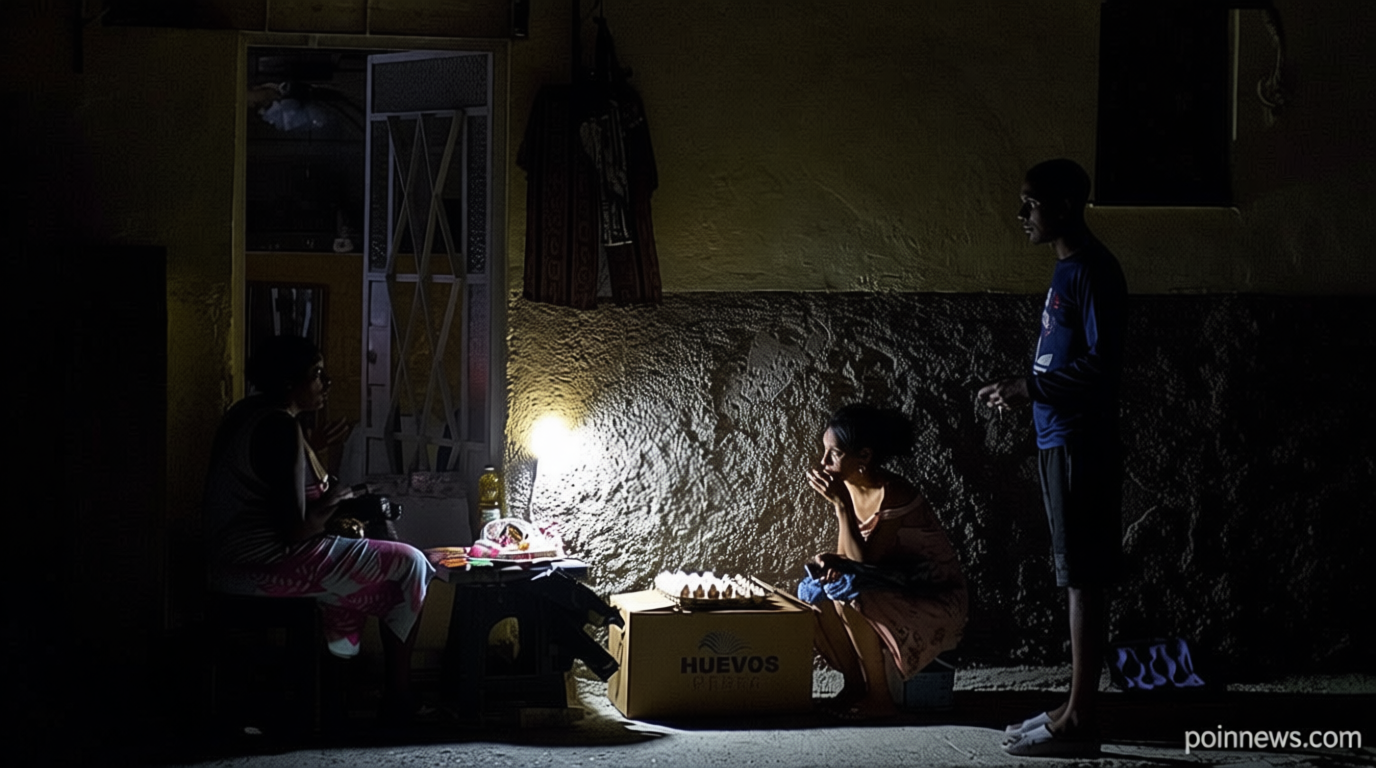
Despite the government’s efforts, public skepticism remains high. A local resident, Iris, a 58-year-old cleaner, expressed frustration with the lack of tangible progress. “It’s a lie—we’ve been doing this for 67 years, and things only get worse,” she said, citing prolonged power outages and shortages of essentials like food and medicine.
Meanwhile, Cuba’s small but expanding business community has welcomed the reforms, though they remain cautious. Mario Gonzales, a 32-year-old restaurateur in Havana, noted that while the changes offer hope, they are unlikely to resolve the crisis immediately. “This is a chance that may or may not materialize,” he remarked, reflecting on the city’s once-thriving tourism scene.
As the US continues to exert pressure, the reforms also face scrutiny from Washington. Vice President JD Vance hinted at potential support for Cuba’s shift, stating, “We’re discussing how the Cuban government could change its approach to foster a better relationship with the island.” However, the ultimate success of these measures remains uncertain, especially as Trump advocates for leadership changes and a transformed economic system.