Global capital sees potential in Europe but calls for lighter regulation
s for Lighter Regulation Global capital sees potential in Europe, with many investors expressing confidence in the continent’s ability to drive economic

Global Capital Sees Potential in Europe but Calls for Lighter Regulation
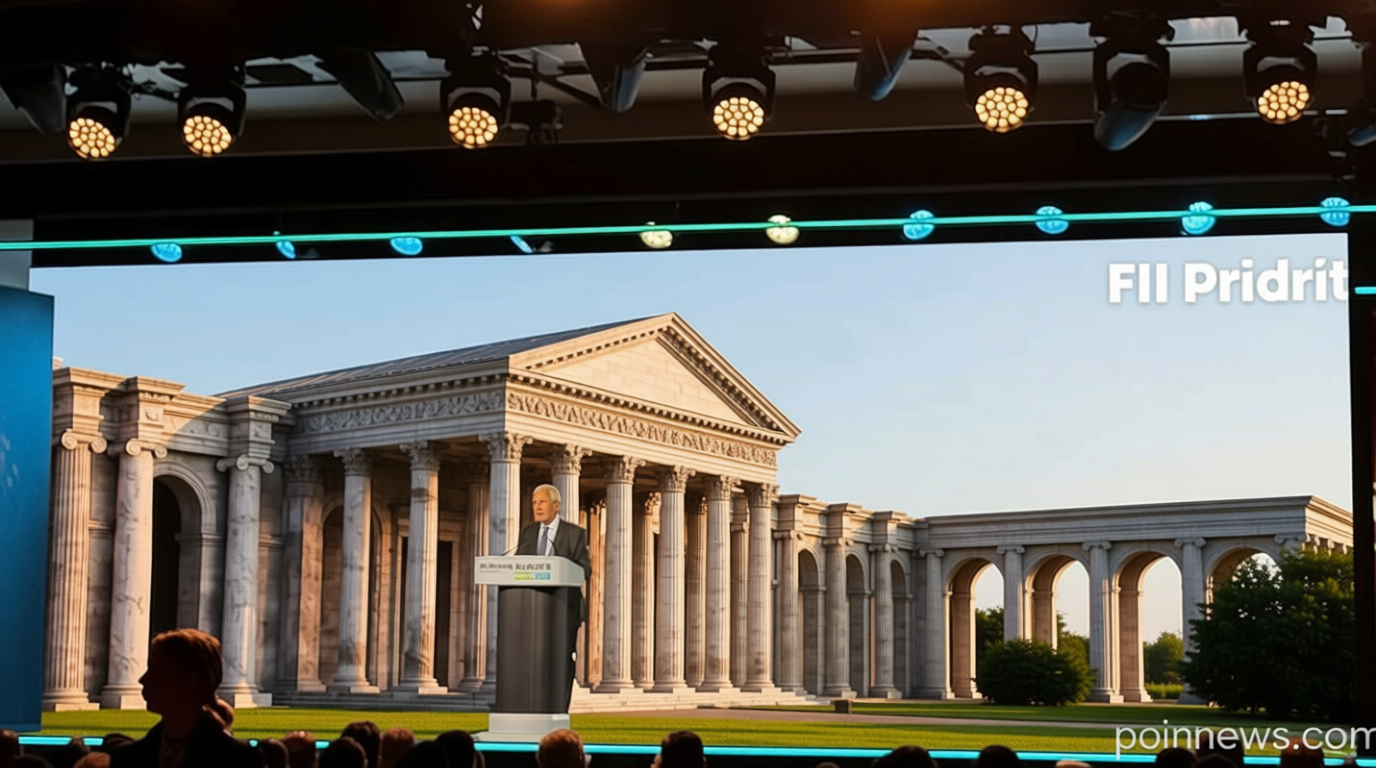
Poinews.com – Global capital sees potential in Europe, with many investors expressing confidence in the continent’s ability to drive economic growth despite its complex regulatory landscape. At a pivotal moment in the global economic cycle, Europe is emerging as a key destination for funding, particularly in sectors poised for transformation. However, to fully capitalize on this opportunity, the region must simplify its regulatory framework and create a more agile environment that aligns with the rapid pace of innovation seen in other parts of the world. This sentiment was echoed at the recent FII Institute summit in Rome, where a diverse array of political leaders, business executives, and financial experts convened to discuss the future of European investment.
Europe’s Strategic Position in the Global Economy
While global attention has often been directed toward geopolitical tensions and security concerns, the Rome summit highlighted Europe’s strategic importance as a hub for economic opportunity. The event, titled FII Priority Europe, focused on how the continent can leverage its existing strengths to attract and retain global capital. Europe’s robust industrial base, skilled workforce, and growing digital infrastructure were cited as key advantages. Yet, participants emphasized that these strengths alone are insufficient without corresponding regulatory reforms. “Europe remains one of the world’s most attractive markets for investment, but it needs to reduce bureaucratic friction to stay competitive,” stated Richard Attias, head of the FII Institute’s executive committee, during his keynote address.
“The world is moving at high speed, and so is capital. Europe has an extraordinary opportunity to lead the next economic transformation, but it must ensure that the conditions for investing are as competitive as in other regions,” Attias added, underscoring the urgency of adapting to global market dynamics.
Key Sectors Driving Investment Interest
Investors are increasingly eyeing Europe’s potential in strategic sectors such as artificial intelligence, renewable energy, and advanced manufacturing. These industries are not only critical for the continent’s future economic resilience but also for its ability to compete on a global scale. For instance, Europe’s commitment to the energy transition has made it a focal point for green investments, with significant funding flowing into projects like offshore wind farms and hydrogen production. Similarly, the digital revolution is unlocking new avenues for growth, as tech startups and innovation hubs across the region seek support to scale their operations.
Despite these opportunities, the need for lighter regulation remains a central theme. Attias argued that regulatory agility is essential for attracting capital to high-growth areas. He pointed out that while Europe has made strides in digital innovation, the sector still faces hurdles such as stringent data protection laws and fragmented cross-border policies. “To ensure Europe stays at the forefront of global capital flows, policymakers must balance innovation with regulatory efficiency,” he said. This call for streamlined processes is particularly relevant in the context of emerging technologies, where delays in approval can stifle progress and deter investment.
Challenges and Opportunities for European Growth
The summit also brought to light the challenges Europe faces in maintaining its appeal to global investors. While the continent has long been a magnet for capital, recent years have seen a shift in focus toward regions with faster decision-making processes and more flexible frameworks. For example, Asian markets are rapidly implementing reforms to support innovation, while the United States continues to offer favorable conditions for startups and venture capital. Europe, however, is not without its strengths. Its stable political environment, skilled labor force, and commitment to sustainability provide a unique value proposition.
Yasir O. Al Rumayyan, head of Saudi Arabia’s Public Investment Fund (PIF) and chairman of Aramco, highlighted Europe’s potential in sectors like clean energy and strategic infrastructure. “Europe is at a decisive moment in defining its place in the new global economy,” he noted, emphasizing the importance of creating an environment that fosters long-term investment. The PIF, which manages over 1.15 trillion dollars in assets, has already demonstrated interest in European projects, particularly those aligned with energy transition and digital innovation. This growing engagement underscores the continent’s continued relevance in the global financial landscape.
“Europe’s appeal to global capital lies in its ability to combine historical stability with forward-thinking initiatives,” Al Rumayyan remarked, adding that targeted reforms could enhance its competitiveness in attracting large-scale investments.
With its strong industrial heritage and ambitious green initiatives, Europe is uniquely positioned to benefit from global capital. However, the need for lighter regulation extends beyond just the energy sector. Attias called for simplifying administrative processes and reducing red tape in areas like AI development and infrastructure projects. “Investors are looking for clarity and efficiency, and Europe must meet these demands if it is to secure its place in the global market,” he said. By addressing these challenges, Europe can unlock its full potential and solidify its position as a leader in the next phase of economic growth.