Rising housing costs are pushing more Europeans into homelessness, report says
Rising Housing Costs Push More Europeans Into Homelessness, Report Finds Rising housing costs are pushing more - The escalating cost of housing is

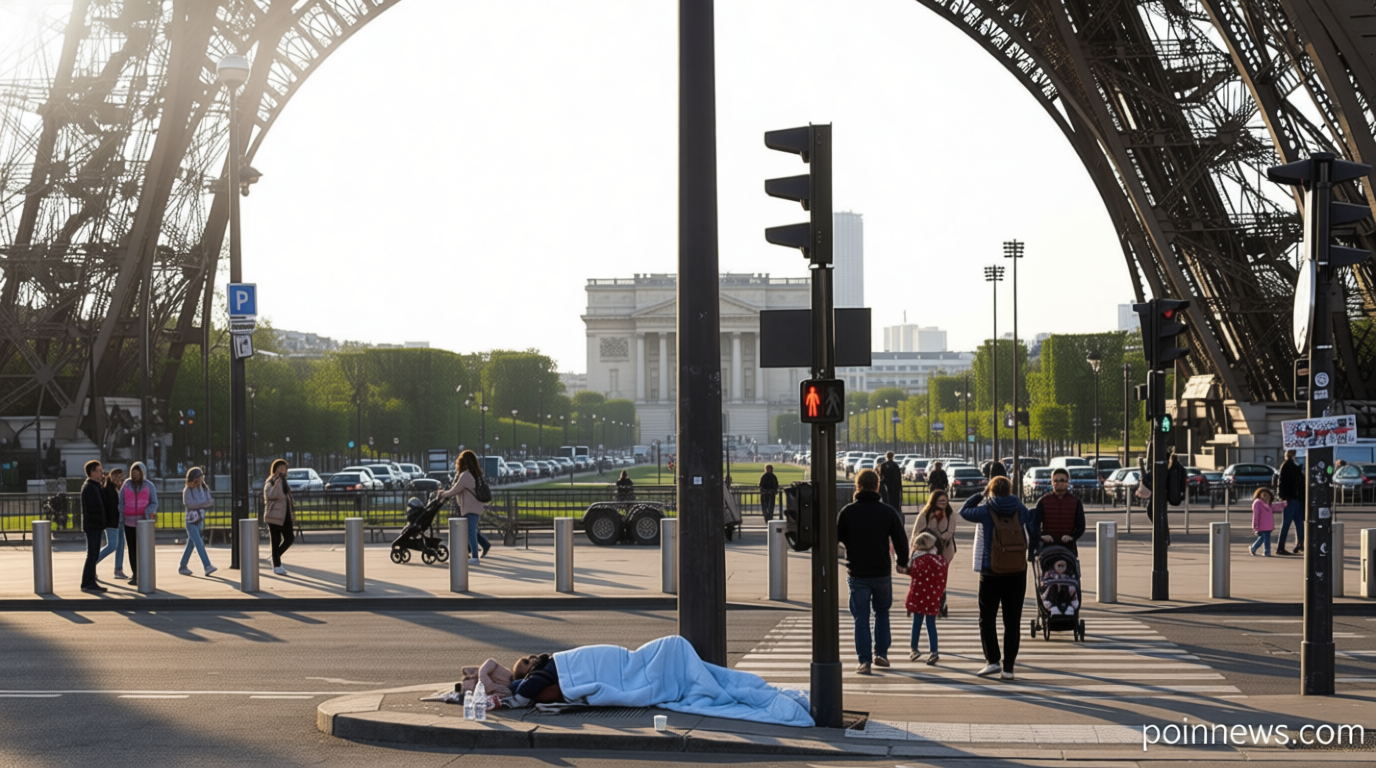
Rising Housing Costs Push More Europeans Into Homelessness, Report Finds
Poinews.com – The escalating cost of housing is increasingly forcing individuals and families across Europe to face the harsh reality of homelessness, according to a recent report by the European Union Agency for Fundamental Rights (FRA). As property prices and rent have surged in the past decade, many Europeans are struggling to maintain stable living conditions. The study highlights that housing affordability has become a critical issue, with soaring expenses exacerbating inequality and displacing vulnerable populations. With over two-thirds of EU residents owning their homes, the report underscores the growing pressure on lower-income groups, particularly young people and those with limited financial resources, to either pay exorbitant prices or risk losing their homes altogether.
According to Eurostat, housing prices in the EU have risen by nearly 53% since 2015, while rental costs have increased by almost 17% over the same period. These figures reflect a broader trend of economic strain on households, with many forced to allocate a larger portion of their income to housing. The report warns that this financial burden is not only driving homelessness but also creating a cycle of debt and insecurity. “Rising housing costs are pushing a growing number of Europeans into precarious living situations, leaving them without the safety net of stable housing,” said FRA Director Sirpa Rautio, emphasizing the urgency of addressing the crisis.
Disproportionate Impact on Vulnerable Groups
While homeownership remains common in the EU, the report reveals that fewer than half of those living below the poverty line can afford to own property. This disparity highlights how rising housing costs are pushing the most vulnerable communities—such as low-wage workers, single-parent households, and the elderly—into homelessness at an alarming rate. The European Federation of National Organisations Working with the Homeless (Feantsa) estimates that nearly 1.3 million people in the EU experienced homelessness in 2025, a figure that has grown significantly compared to previous years. The FRA also points to the growing number of individuals in temporary or precarious housing arrangements, many of whom are at risk of eviction due to financial instability.
“Rising housing costs are pushing individuals and families into homelessness, particularly those with limited income and resources,” said Rautio. The report stresses that the right to adequate housing is a fundamental human right, yet it is being eroded by market forces and policy gaps. As a result, people are being forced to make difficult choices between housing, food, and healthcare, further deepening social inequalities.
Geopolitical instability and security threats are compounding the issue, according to the FRA. These factors are contributing to a rise in housing costs, as governments prioritize defense spending and infrastructure projects over social welfare programs. Additionally, the increasing demand for housing in urban centers, driven by population growth and economic activity, has led to a shortage of affordable options. This has resulted in a situation where even those with steady incomes are unable to secure housing, with the report calling for immediate action to protect citizens from the devastating effects of rising costs.
Policy Recommendations and Solutions
To combat the crisis, the FRA recommends a rights-based approach to housing policy, ensuring that affordability and accessibility are prioritized. This includes measures such as rent caps, social housing expansion, and financial support for low-income families. The report also calls for stronger legal protections against eviction and discrimination in housing markets, particularly for marginalized groups. “Rising housing costs are pushing people into homelessness, but with targeted policy reforms, we can create a more equitable system,” Rautio added. The agency emphasizes that EU member states must align their national policies with the principles of the European Social Charter to safeguard housing rights effectively.
The study further highlights the role of public-private partnerships in exacerbating housing insecurity. While private developers often drive up property prices, government support for housing construction has been insufficient to meet growing demand. This has led to a situation where many Europeans are forced to rent in areas with high costs or move to more affordable regions, sometimes far from their workplaces and support networks. The FRA also notes that the current housing crisis is not just an economic issue but a social one, with long-term consequences for mental health, education, and employment opportunities.
Experts warn that unless action is taken, the number of people pushed into homelessness by rising costs could continue to grow. The report calls for a coordinated effort across the EU to address the root causes of the crisis, including income inequality, inadequate social safety nets, and unsustainable housing markets. By implementing these recommendations, the FRA believes it is possible to mitigate the impact of rising housing costs and ensure that all Europeans have access to stable, affordable housing. “Rising housing costs are pushing the crisis to a critical point, and the time to act is now,” Rautio concluded, urging policymakers to prioritize housing as a fundamental right.