Warsh takes the helm: What to watch as the Fed weighs its rate decision
Warsh Takes the Helm: Key Observations for the Fed's Rate Decision Warsh takes the helm - The Federal Reserve's new leadership era kicks off this Wednesday

Warsh Takes the Helm: Key Observations for the Fed’s Rate Decision
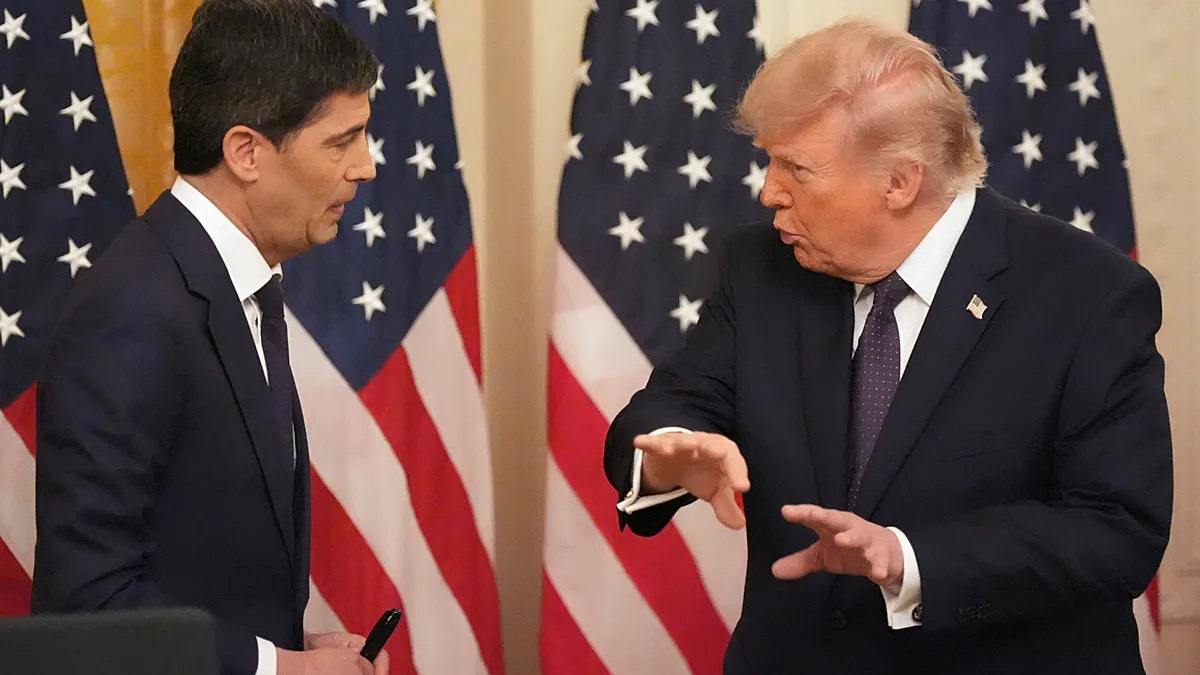
Poinews.com – The Federal Reserve’s new leadership era kicks off this Wednesday, as Donald Trump’s nominee for the central bank’s top role prepares to deliver his first rate decision and address the media in his inaugural press conference. While most experts expect a cautious approach, the meeting carries critical implications for future economic trends. Policymakers are projected to maintain the key rate within the 3.50%–3.75% range, continuing a streak of four consecutive meetings with no changes. The last adjustment occurred in December 2025, when the committee reduced rates by 25 basis points.
Inflationary Pressures and Economic Resilience
Inflation has surged since the Iran conflict escalated in late February, reaching a three-year high of 4.2%—largely due to increased petrol costs. Trump’s peace plan aims to resolve the ongoing conflict, but its durability remains uncertain, with energy, food, and travel prices possibly lingering for months even if oil supplies normalize. By the Fed’s preferred gauge, inflation has surpassed its 2% target for over five years, underscoring persistent upward pressure. Meanwhile, hiring has remained robust, with May adding 172,000 jobs, marking three consecutive months of strong growth that has weakened the case for earlier rate cuts.
“The new dot plot could show the Fed keeping rates on hold for the rest of 2026, with at least three members penciling in hikes.”
The Fed’s updated Summary of Economic Projections and the closely watched “dot plot” will be central to the discussion. Analysts believe the central bank may signal a shift in its stance, hinting that rates could stay elevated or even increase if inflation proves stubborn. Communication strategy is another focal point, as Warsh advocates for less frequent public statements to avoid overcommitting to specific positions. This could mean reverting to a bi-monthly press conference schedule, reminiscent of Ben Bernanke’s tenure from 2006 to 2014.
Warsh’s Policy Vision and Institutional Dynamics
Warsh’s prior advocacy for rate reductions, aligned with Trump’s economic priorities, emphasized AI’s potential to boost productivity and moderate inflation. However, many economists questioned this outlook at the time, noting that rapid investments in semiconductors and computing equipment were intensifying inflationary trends rather than easing them. His current approach reflects a more conservative outlook, as he now inherits a landscape where inflation remains elevated and the case for easing policy has diminished.
Adding complexity, Jerome Powell, the previous Fed Chair, remains on the board as a governor. His position, which he can hold until January 2028, ensures his voice will be heard in Wednesday’s decision, providing continuity for the Trump administration amid leadership transitions.