From welder to wealthy: SpaceX IPO could make thousands of employees millionaires
From Welder to Wealthy: SpaceX IPO May Transform Thousands into Millionaires From welder to wealthy - With its highly anticipated initial public offering

From Welder to Wealthy: SpaceX IPO May Transform Thousands into Millionaires
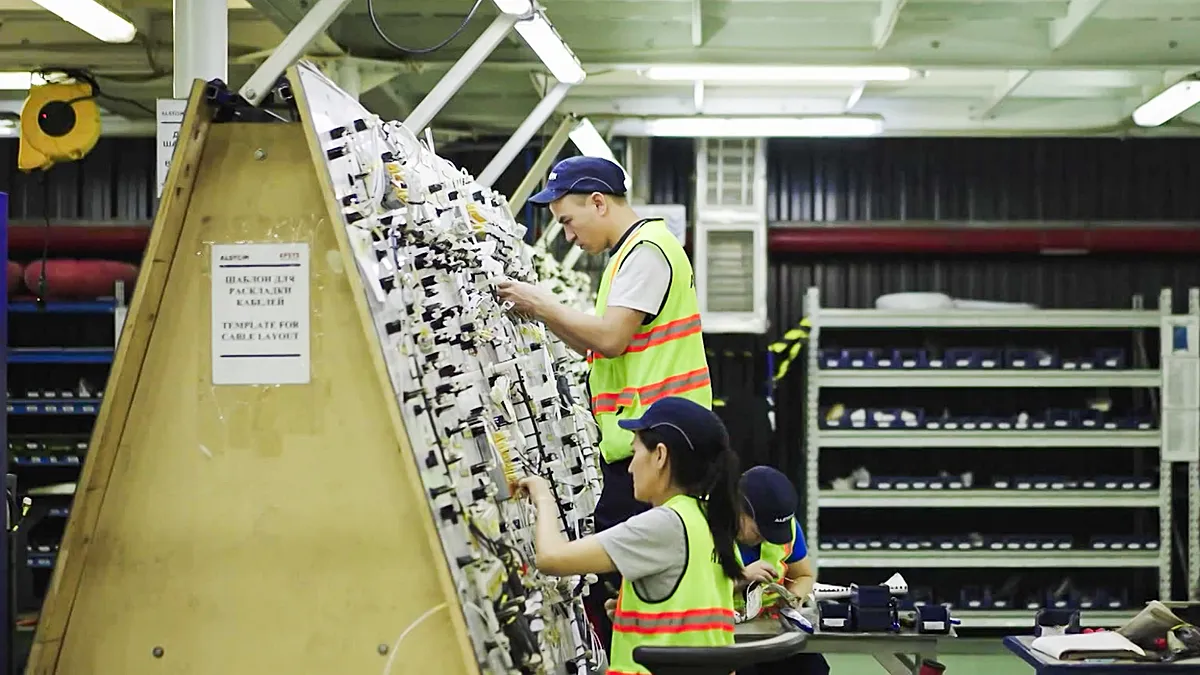
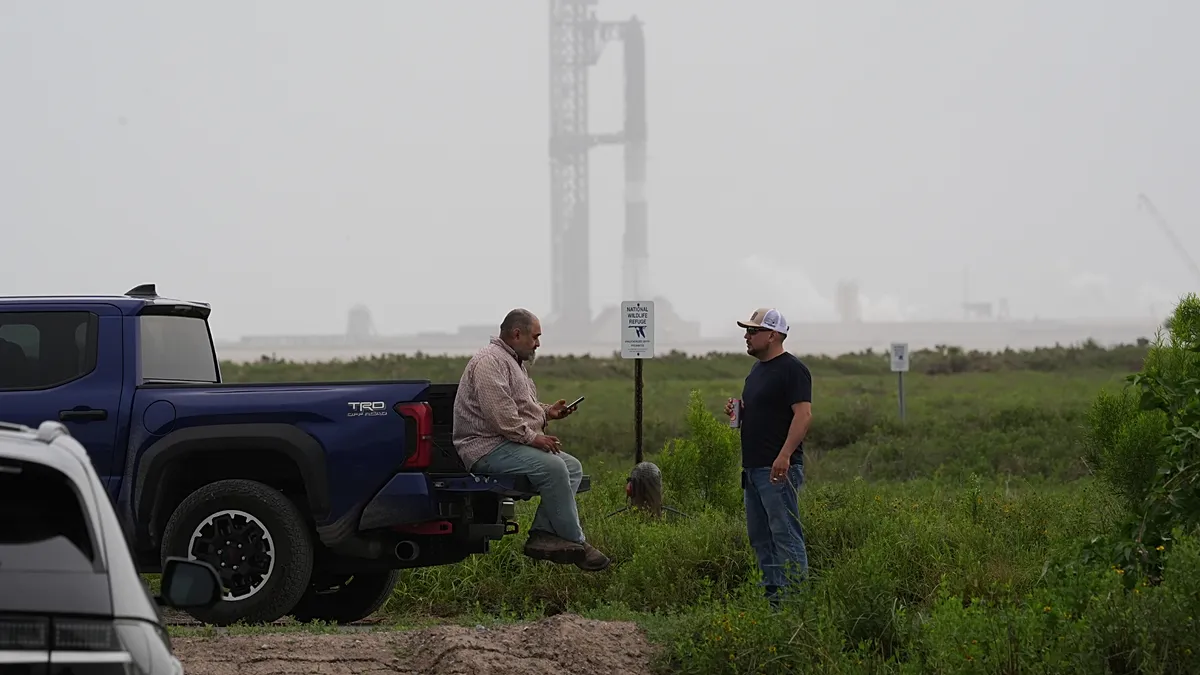
Poinews.com – With its highly anticipated initial public offering (IPO) set to launch this Friday, SpaceX is on the verge of creating a surge in wealth for a vast number of its employees. This event could elevate not just top-tier executives and engineers but also individuals in roles like cooks and welders, who have been granted equity as part of their employment packages. The financial boost is most pronounced in Brownsville, Texas—a city historically marked by economic struggle—where the company’s Starbase facility employs over 3,000 workers.
Equity Grants Span the Organizational Hierarchy
What sets this IPO apart is the widespread distribution of stock options throughout the company’s ranks. Media reports suggest that nearly 4,000 employees might become millionaires following the listing, though these numbers have yet to be independently confirmed. Michael Limas, a financial planner in Brownsville, highlighted that even non-technical staff received equity as part of their compensation, a practice uncommon in many industries. “SpaceX has been very friendly with options at various levels, from top to bottom,” Limas remarked to Bloomberg.
“SpaceX has been very friendly with options at various levels, from top to bottom. It’s something that’s unique to this area,” said Michael Limas, a financial planner in Brownsville.
One notable example cited by investment platform Moby underscores the scale of these gains. A welder’s initial equity award of $10,000 (€8,650) is now projected to be worth close to $880,000 (€762,000) before the IPO. Such figures reflect a broader trend of extensive equity compensation that has been consistently reported across multiple sources.
Staggered Lockup Structure Offers Earlier Access to Wealth
Unlike the standard 180-day cliff period common in IPOs, SpaceX’s offering includes a staggered lockup mechanism. The prospectus outlines several early release windows, with one tied to performance metrics. If the stock rises 30% above its IPO price on five of ten consecutive trading days, some employees may unlock their shares within weeks of the listing. This structure could ease the transition from holding undervalued equity to accessing liquid assets.
Economic Shifts in Brownsville
Brownsville’s long-standing status as one of the nation’s most economically disadvantaged regions is being challenged by SpaceX’s presence. Government data indicates that the city’s median family income lags significantly behind the national average. The company’s establishment of Starbase, located near the Gulf of Mexico, has drawn professionals from California and beyond, contributing to rising housing costs. Median home prices in the Brownsville-Harlingen metro area have increased by about 25% since 2020, climbing from approximately $185,000 (€160,000) to $233,000 (€201,000).
Local residents, many of whom rely on modest incomes, are now facing upward pressure on living expenses. The IPO’s potential to create wealth is seen as a double-edged sword. While employees may reap substantial rewards, wealth managers warn of the challenges of timing sales and managing taxes. Some 100 SpaceX workers in the region reportedly collaborated with advisory firm Choreo to negotiate lower fees, leveraging up to $5 billion (€4.33bn) in potential assets.
Broader Impacts Beyond the IPO
Mayor John Cowen, a sixth-generation Brownsville resident, has framed the transformation as a positive shift, emphasizing the city’s growing reputation as a hub for investment. The economic ripple effects extend beyond SpaceX, with other industrial projects emerging in its wake. A liquefied natural gas export terminal is under development near the Port of Brownsville, and a $300 billion (€260bn) oil refinery was announced in March by former President Donald Trump. This refinery could add 500 full-time jobs to the region.
Despite the promise of the IPO, questions remain about how evenly its benefits will be distributed. The city’s history of hardship contrasts with the sudden influx of wealth, leaving uncertainty about the long-term equity of this transformation.