Ibex 35 rallies on Iran deal and hits record 19,000 points
points Ibex 35 rallies on Iran deal - The Spanish Ibex 35 index experienced a remarkable surge on Monday, driven by optimism surrounding a pivotal Iran deal

Ibex 35 rallies on Iran deal and hits record 19,000 points
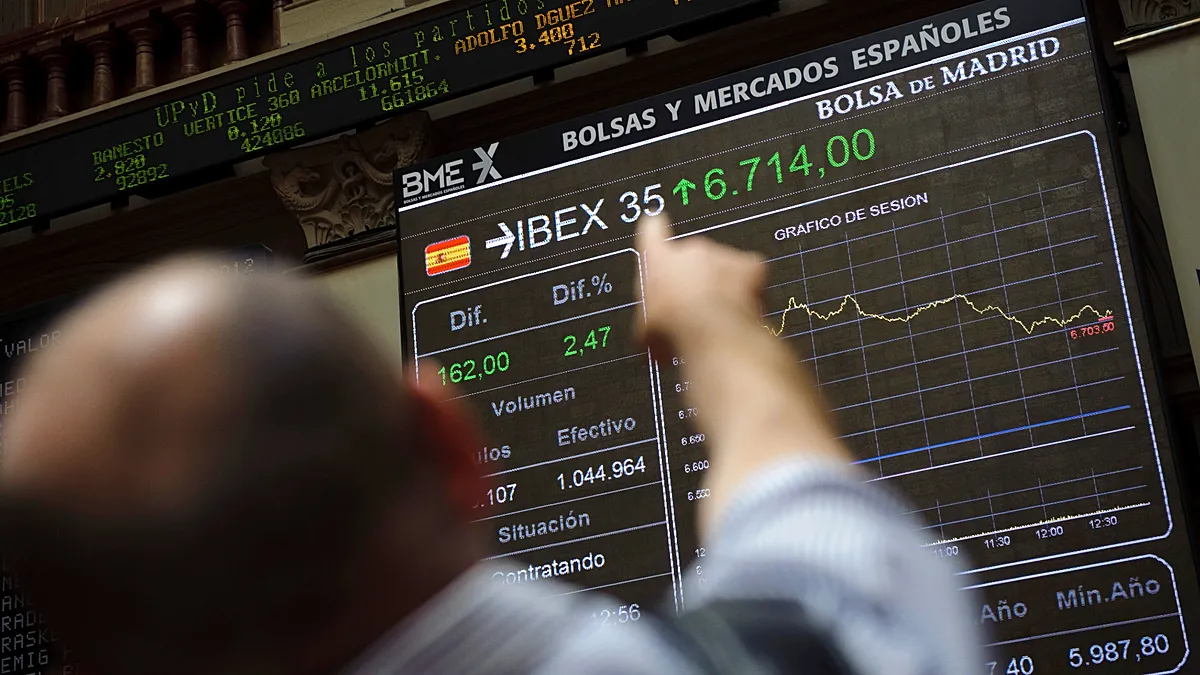
Poinews.com – The Spanish Ibex 35 index experienced a remarkable surge on Monday, driven by optimism surrounding a pivotal Iran deal that has rekindled global market confidence. As the framework agreement between the Trump administration and Iran was unveiled, it sent ripples of positive sentiment across financial markets, particularly in Europe. This historic rebound saw the Ibex 35 climb sharply, surpassing the 19,000-point milestone—a level not achieved since 2015. The rally reflects a 10% year-to-date gain for the benchmark, underscoring how the Iran deal has become a catalyst for renewed investor enthusiasm. With geopolitical tensions easing, traders are now eyeing the index as a potential harbinger of broader economic recovery in the region.
Global Market Reactions to the Iran Deal
Markets worldwide responded positively to the Iran deal, which has been hailed as a major breakthrough in resolving the Middle East conflict. The agreement, aimed at reducing military tensions and ensuring the safe passage of commercial ships through the Strait of Hormuz, has alleviated fears of a prolonged crisis. This critical maritime corridor, vital for global oil and trade flows, had been a flashpoint of instability, prompting concerns about supply chain disruptions and soaring energy prices. The deal’s announcement has not only calmed investor nerves but also sparked a wave of bullish activity in European markets, with the Ibex 35 leading the charge.
The Role of the Iran Deal in Shaping Investor Sentiment
The Iran deal has significantly influenced investor sentiment, particularly in Spain, where the Ibex 35’s performance is closely tied to macroeconomic stability. Analysts attribute the index’s sharp increase to the reduced risk of regional conflict and the promise of sustained economic cooperation. The agreement’s immediate effects are already visible, with energy markets stabilizing and the European Union expressing cautious optimism about its long-term implications. While the deal does not fully resolve all disputes, its symbolic value has reassured markets, paving the way for a more favorable outlook on global trade and investment. The Ibex 35’s rally underscores how geopolitical developments can directly impact stock indices, especially in regions heavily reliant on international trade.
Energy markets, in particular, have seen a marked shift following the agreement. Brent crude prices fell over 4% before the market opened, reversing earlier gains fueled by hostilities. This decline signals that the stabilization of the Strait of Hormuz has mitigated fears of a supply crisis, which had previously threatened inflationary pressures. The Ibex 35’s rise is not just a reflection of Spain’s market dynamics but also a broader indicator of how global economic stability can drive regional stock performance. As traders and investors recalibrate their strategies, the index’s upward trajectory suggests a renewed focus on growth-oriented assets and reduced risk aversion.
Broader Economic Implications of the Iran Deal
The implications of the Iran deal extend beyond energy markets, influencing trade relations and investment flows across Europe. With the easing of tensions, the European Union has expressed readiness to reengage with Iran, potentially opening new avenues for economic collaboration. This development has bolstered confidence among European investors, who are now reevaluating long-term strategies in emerging markets. The Ibex 35’s rally aligns with this sentiment, as the index has historically mirrored the economic health of Spain and its ties to international trade. Analysts note that the deal could have lasting effects on global markets, particularly in sectors reliant on Middle Eastern oil and trade routes.
Spain’s stock market has been a key beneficiary of the Iran deal, with the Ibex 35’s performance indicating a growing appetite for risk. Major firms such as Inditex and Banco Santander have led the charge, showcasing the market’s confidence in both consumer and financial sectors. The rally also highlights the role of the European Central Bank in maintaining market stability, as its accommodative policies have complemented the positive effects of the Iran deal. While the index’s growth is a positive sign, experts caution that long-term gains will depend on the agreement’s implementation and its ability to sustain economic cooperation in the Middle East. The Ibex 35’s record-breaking move has positioned Spain as a regional leader in capitalizing on geopolitical resolutions.
“The Iran deal has provided a much-needed boost to investor confidence, particularly in Europe,” said Maria Lopez, a financial analyst at EuroTrade Insights. “With the Strait of Hormuz now open, markets are seeing a clear path to stability, which is essential for sustained economic growth.”
This sentiment echoes the broader optimism among investors, who are now placing bets on the Middle East’s economic potential. The Ibex 35’s rally, while impressive, is part of a larger trend of markets reacting to geopolitical resolutions. As the agreement takes shape, the index may continue to rise, reinforcing its status as a barometer of European market sentiment. However, the true test of the deal’s impact will come in the months ahead, as its economic and political consequences unfold.