Azerbaijan bets on the pomegranate as its next big export
The Caspian nation has positioned itself as a rising force in international pomegranate trade, with exports reaching €48.2 million in 2025. This growth

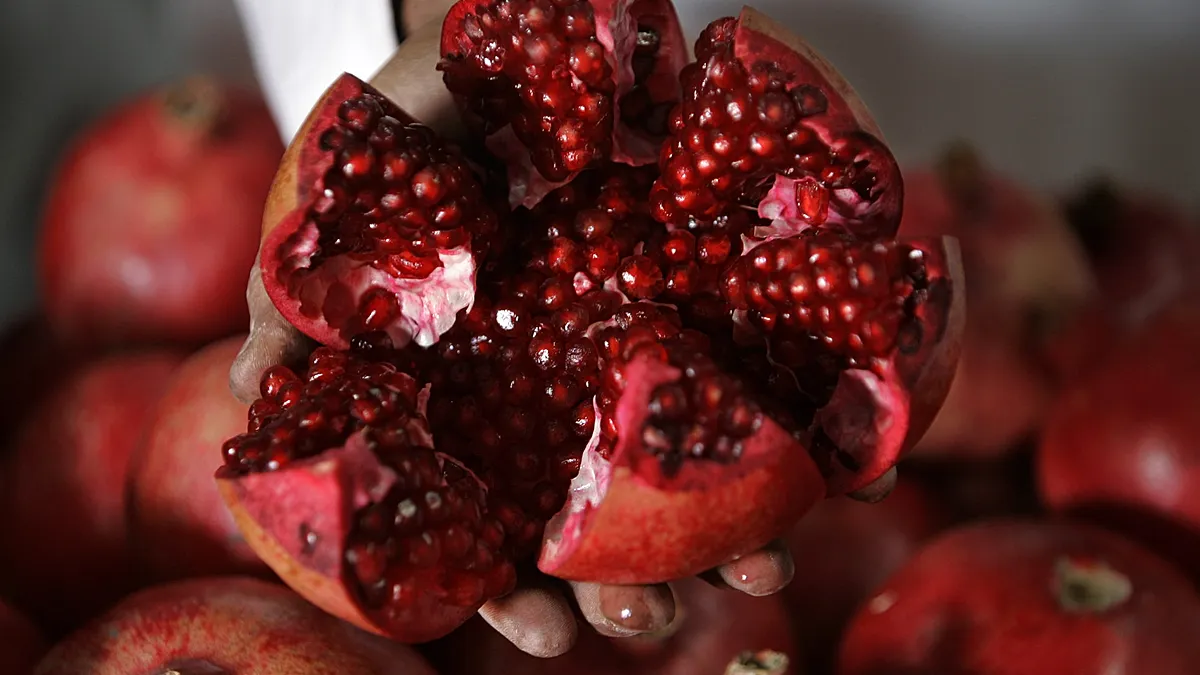
Table of Contents
Azerbaijan’s Pomegranate Ambitions: From Ancient Heritage to Global Market
Poinews.com – The Caspian nation has positioned itself as a rising force in international pomegranate trade, with exports reaching €48.2 million in 2025. This growth trajectory makes the fruit one of Azerbaijan’s most rapidly expanding non-oil commodities. Today, approximately 23,000 hectares of cultivated orchards deliver fresh fruit alongside processed goods including juice, concentrate, wine, and seed oil to buyers across 26 nations. These markets span from Gulf states to various Asian destinations, placing Azerbaijan in direct competition with established exporters like Spain, Turkey, and Iran.
Diverse Varieties and Strategic Locations
More than 200 distinct varieties thrive in Azerbaijan’s agricultural landscape, with cultivation concentrated primarily in the Kur-Araz lowland and the Goychay district. The Guloysha variety enjoys particular international recognition for its thin skin, elevated juice content, and balanced sweet-sour taste profile. Producers also cultivate several other varieties—Valas, Shah Nar, Nazik Gabig, and Bala Mursal—each offering unique colorations and flavor profiles that help differentiate Azerbaijani products on foreign supermarket shelves.
“For Azerbaijan, the pomegranate is an integral part of our nation’s cultural heritage, with a history spanning nearly 2,000 years, symbolising abundance, prosperity, and well-being,” Farhad Garashov, chairman of the Pomegranate Producers and Exporters Association of Azerbaijan, told Euronews.
Producers highlight three primary competitive advantages: indigenous varieties, EU-compatible phytosanitary standards, and geographic proximity to both European and Gulf markets. Garashov’s organization represents over 500 farmers and exporters working within this sector.
Infrastructure Development and Market Demands
While fresh fruit remains the dominant export category, processed products are extending the selling season considerably. Modern cold storage facilities, processing plants, and improved logistics infrastructure now enable year-round supply to international buyers rather than limiting deliveries to the autumn harvest period alone.
Foreign purchasers and major supermarket chains increasingly require stricter phytosanitary compliance, consistent fruit sizing, and standardized international packaging. These demands are driving smallholder farmers toward new financing mechanisms and strategic partnerships.
“Agriculture in Azerbaijan has entered a new stage of development that focuses not only on increasing production volumes, but also on branding high value-added agricultural products,” the director of the Agrarian Innovation Centre under the Ministry of Agriculture, Anar Jafarov, told Euronews.
Climate Challenges Impact Production
Recent weather patterns have created significant production challenges. Yusif Lazgiyev, operations director at Az-Granata—a privately owned juice and beverage company managing 332 hectares of orchards—reported that this year’s harvest suffered considerable reductions. Cold and rainy conditions during late May and early June prevented the pomegranate trees’ second flowering cycle.
“Pomegranate trees normally blossom three times a season. This year, the pomegranates in our gardens blossomed only once due to climate change, and this has caused productivity and yield to drop,” Lazgiyev told Euronews. “The rain washed the existing blossoms away.”
Lazgiyev explained that yield losses from experiencing only a single flowering cycle range between 15% and 20%. Temperature fluctuations between nighttime and daytime conditions have also accelerated disease transmission within orchards. Wine production experienced an even steeper decline, dropping 30% to 40% compared to 2025 levels.
Garashov noted that the industry has identified drip irrigation, digital water management systems, and enhanced water efficiency as critical priorities. “Climate change, rising temperatures, prolonged droughts, and increasing water scarcity have become major concerns for all producers,” he stated.
Cultural Heritage and International Recognition
The Goychay Pomegranate Festival, held annually each October in the Goychay district approximately 200 kilometers west of Baku, attracts tens of thousands of visitors. The event functions simultaneously as a cultural celebration and commercial platform where producers connect with buyers, present new varieties, and finalize export agreements.
In 2024, the festival received UNESCO’s Representative List of the Intangible Cultural Heritage of Humanity designation, following an initiative spearheaded by First Vice-President Mehriban Aliyeva.
“This UNESCO recognition demonstrates the exceptional cultural value of the pomegranate for the Azerbaijani people while further enhancing the international visibility of the ‘Made in Azerbaijan’ brand,” Garashov said.
Related Reading
Frequently Asked Questions
What is Azerbaijan bets on the pomegranate as its?
Azerbaijan bets on the pomegranate as its is the main topic of this guide. The article explains the context, practical details, and next steps readers should understand.
Why does Azerbaijan bets on the pomegranate as its matter?
Azerbaijan bets on the pomegranate as its matters because readers are looking for a useful answer, not just a short summary. Good content should match search intent and help them decide what to do next.