Three killed in Israeli strikes on Lebanon, health ministry says
Lebanon's southern and eastern frontlines were struck again in the early hours of Saturday, when Israeli warplanes delivered a series of precision blows

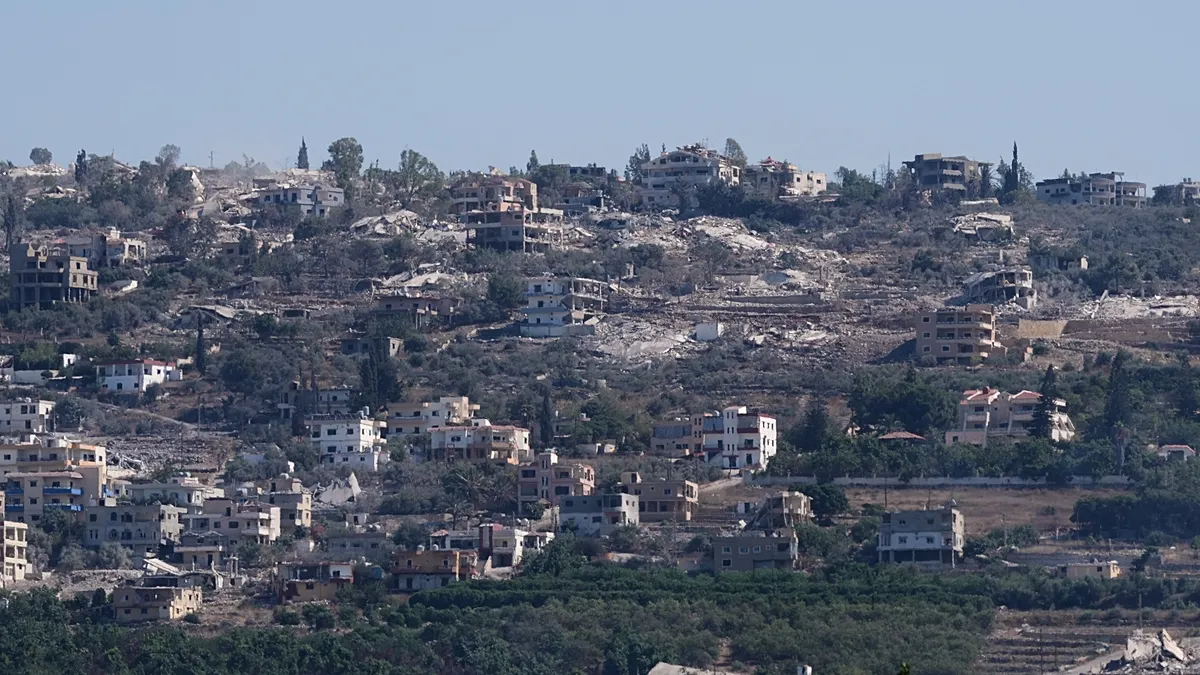
Table of Contents
Overnight Israeli Bombing Kills Three Across Lebanon’s South and East
Poinews.com – Lebanon’s southern and eastern frontlines were struck again in the early hours of Saturday, when Israeli warplanes delivered a series of precision blows against targets in three separate governorates. The Lebanese health ministry confirmed three fatalities and at least fifteen injuries across the affected areas, marking another escalation in a conflict that has now stretched across more than five months of sustained hostilities.
Casualties and Strike Locations
The heaviest toll fell in the town of Ramadiyah, situated in the southern Tyre district, where a single impact killed one resident and wounded fifteen others. In the Nabatieh region to the north, two additional people lost their lives. Altogether, the ministry tallied five distinct strike sites distributed across Nabatieh, Tyre, and the Bekaa valley in eastern Lebanon — a geographic spread that underscores how widely the Israeli air campaign now reaches beyond the narrow border corridor.
Residents of the affected villages described a sequence of explosions that shattered windows and sent families scrambling into open fields before dawn. Local medical teams rushed to the sites, though the ministry’s figures suggest the worst of the overnight wave had passed by the time daylight arrived.
Israel’s Stated Rationale
The Israel Defense Forces issued a statement on Saturday explaining the operation. The military said it had aimed at Hezbollah infrastructure in southern Lebanon, framing the strikes as a direct reply to what it described as a Hezbollah attempt to hit Israeli soldiers working inside the security zone along the border. The IDF account specified that a drone had been launched toward troops during that attempted incursion.
“In response to Hezbollah’s attempted attack yesterday against IDF troops operating in the security zone, during which a drone was launched toward troops.”
The Israeli military further identified the specific targets as weapons storage facilities belonging to the Iran-backed militant group. Alongside the written statement, the IDF released video footage that appeared to capture one of the impacts in real time, showing columns of smoke rising from a rural site shortly after the munition struck.
Netanyahu: Operations Continue “With Full Force”
Prime Minister Benjamin Netanyahu addressed the broader picture on Friday, declaring that military operations aimed at what he called the task of thwarting terrorism were proceeding with full force across three theatres simultaneously: Lebanon, Gaza, and the West Bank. His remarks signaled that no pause or de-escalation is anticipated in the near term, and that Israeli planning treats the three fronts as interconnected elements of a single strategic effort.
“To thwart terrorism” were continuing with “full force” in Lebanon, Gaza and the West Bank.
A Conflict Rooted in March
The present round of fighting traces its origins to March, when Hezbollah opened a sustained rocket barrage against Israeli territory. The group framed the salvo as retaliation for the killing of former Iranian Supreme Leader Ayatollah Ali Khamenei, an event that sent shockwaves through the Shia axis and prompted Hezbollah to act on behalf of its patron. Israel responded by renewing large-scale air strikes across Lebanon and, in a step that marked a significant escalation, launching a ground invasion into Lebanese territory.
Since that March opening, the border region has endured a near-daily rhythm of exchanges: Hezbollah rockets and drones probing the Israeli side, Israeli airpower striking targets deep inside Lebanon, and periodic ground incursions by IDF units operating in the so-called security zone. The Bekaa valley, long considered a rear area for Hezbollah’s logistics and command structure, has increasingly come under fire, suggesting that Israeli targeting now extends well beyond the immediate border strip.
For civilians in Tyre, Nabatieh, and the Bekaa, each overnight alert carries the same weight: families are told to move away from buildings, to keep phones charged, and to identify the nearest shelter. The health ministry’s overnight tally — three dead, fifteen wounded — is modest by the standards of earlier weeks, yet it arrives against a backdrop in which the cumulative death toll has climbed steadily since March and in which no ceasefire framework has been agreed. The strikes of Saturday, and the drone incident that preceded them, confirm that the operational tempo remains high and that both sides continue to treat the border as an active battlefield rather than a frozen line.
Related Reading
Frequently Asked Questions
What is Three killed in Israeli strikes on Lebanon?
Three killed in Israeli strikes on Lebanon is the main topic of this guide. The article explains the context, practical details, and next steps readers should understand.
Why does Three killed in Israeli strikes on Lebanon matter?
Three killed in Israeli strikes on Lebanon matters because readers are looking for a useful answer, not just a short summary. Good content should match search intent and help them decide what to do next.