Russia-led Eurasian Economic Union urges Armenian referendum
Russia-led Eurasian Economic Union urges Armenian referendum EAEU Summit Calls for National Vote on Membership Path Russia led Eurasian Economic Union urges

Russia-led Eurasian Economic Union urges Armenian referendum
EAEU Summit Calls for National Vote on Membership Path
Poinews.com – As the 7 June elections loomed over Armenia, leaders of the Eurasian Economic Union (EAEU) convened in Astana to issue a unified warning. The bloc, spearheaded by Russia, Belarus, Kazakhstan, and Kyrgyzstan, emphasized that Armenia’s aspirations to join the European Union could jeopardize the economic stability of all EAEU nations. The joint statement highlighted the potential consequences of Armenia’s pro-EU trajectory, framing it as a threat to the collective interests of the union. The summit, held on Friday, marked a pivotal moment in the diplomatic tensions between Armenia and its eastern allies, with the EAEU urging Yerevan to expedite a national referendum on its alignment with the EU versus the Moscow-led bloc.
Russian President Highlights Economic Divide Between Blocs
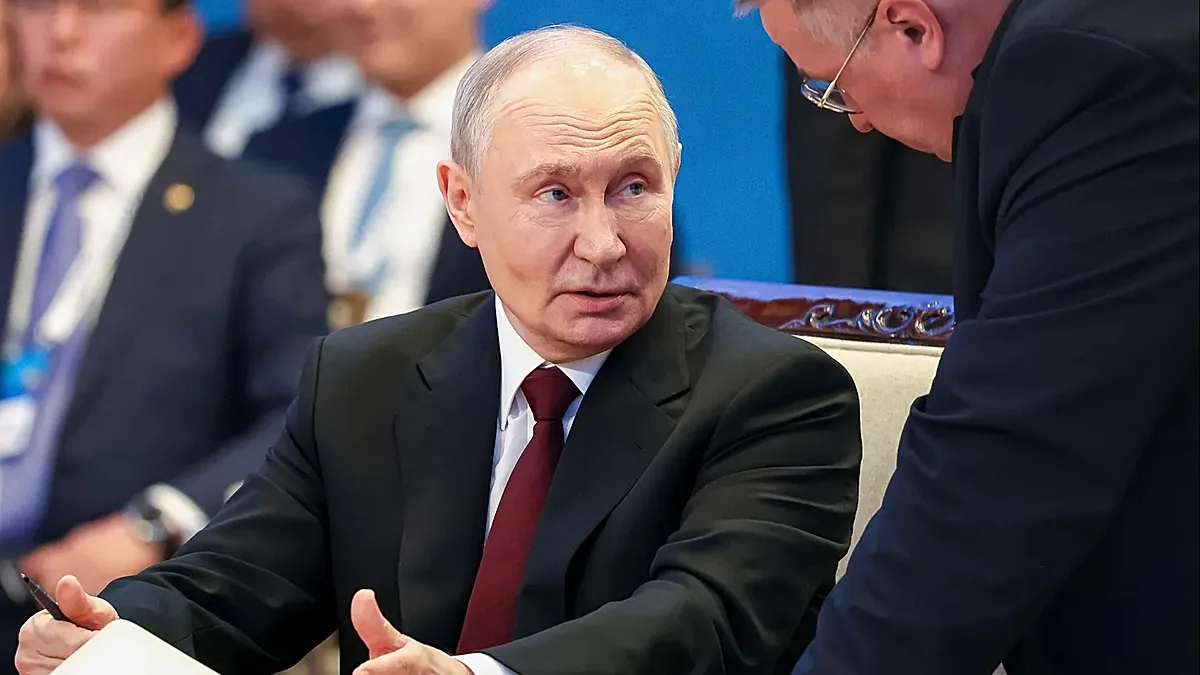
Vladimir Putin, during the summit, reiterated a key argument: the EU and EAEU cannot coexist in a single nation. “The crisis in Ukraine began with its push to join the EU,” he said, drawing a direct parallel to Armenia’s current situation. This claim underscores the Russian leader’s view that EU integration represents a destabilizing force, one that could unravel the economic partnership Armenia has long maintained with the EAEU. Earlier, Putin had already floated the idea of a referendum, stating it would be “quite logical” to ask Armenians to choose between the two blocs. “Based on that, we would make our own decision as well,” he added, suggesting that the outcome would directly influence Russia’s stance on Armenian membership.
Armenian Delegation Seeks Balance Amid Pressure
Armenia’s presence at the summit was represented by Deputy Prime Minister Mher Grigoryan, as Prime Minister Nikol Pashinyan focused on campaigning for the upcoming elections. Grigoryan, during the proceedings, reaffirmed Armenia’s commitment to the EAEU, stating the country remains “dedicated to constructive participation” in the union. He emphasized mutual respect and equal partnership, asserting that Yerevan supports “beneficial collaboration” with all members. Despite the EAEU’s assertive stance, Armenia has consistently maintained its pro-EU course, with no intention of withdrawing from the bloc. Grigoryan’s remarks, however, were delivered in the shadow of Russia’s growing pressure, as seen in the summit’s broader context.
Trade Restrictions and Economic Leverage
Amid the diplomatic maneuvering, Russia escalated its economic pressure on Armenia. On Friday, the Kremlin announced temporary restrictions on exports of specific fruits and vegetables, further tightening its grip on Armenian trade. This follows recent bans on mineral water, wines, and brandy, which have already impacted Armenia’s export revenue. The move is part of a larger strategy to deter Armenia from deepening its ties with the EU, with Putin warning that such a shift could result in the suspension of the country’s EAEU membership by December. “Everything that is good for Armenians is good for Russia,” Putin told reporters, framing the economic relationship as symbiotic. Yet, he also stressed that the EAEU’s standards could not be reconciled with the EU’s, stating that “it is not possible to harmonize the EU’s criteria with the EAEU’s.”
Ukraine Analogy and Political Implications
Putin’s remarks drew a clear comparison between Ukraine and Armenia, portraying both as nations caught in a balancing act between east and west. “The crisis in Ukraine began when it sought EU membership,” he claimed, implying that Armenia’s similar ambitions could spark a comparable upheaval. This analogy has fueled speculation about Russia’s intent to use economic and political pressure to steer Armenia toward a more aligned path. The EAEU’s leaders, meanwhile, framed their stance as a safeguard for regional stability, arguing that Armenia’s EU aspirations could undermine the bloc’s cohesion.
Domestic Politics and Foreign Influence
The summit coincided with the final stretch of Armenia’s election campaign, which has been marked by accusations of Russian interference. Reports suggest that Moscow has actively supported Armenian opposition groups, raising concerns about the fairness of the 7 June vote. In response, the Russian Foreign Ministry revealed that Armenia had discreetly conveyed to Moscow its discomfort with certain officials serving as election observers. This subtle diplomatic rebuke highlights the growing friction between Armenia and its eastern allies, even as the EAEU presses for a referendum to solidify its position.
Strategic US Engagement and the TRIPP Corridor
The EAEU’s demands came just a day after US President Donald Trump publicly endorsed Armenian Prime Minister Nikol Pashinyan for re-election, calling him “a great friend and leader.” This backing was significant, given the broader geopolitical implications of Armenia’s alignment with the West. Earlier in the week, US Secretary of State Marco Rubio visited Yerevan, where he signed a strategic partnership framework with Armenian Foreign Minister Ararat Mirzoyan. The agreement included a memorandum of understanding on critical minerals and a cooperation pact for the Trump Route for International Peace and Prosperity (TRIPP), a transit corridor linking Azerbaijan with its Nakhchivan exclave through southern Armenia.
Armenia’s Dilemma and the Path Forward
The TRIPP corridor represents a tangible link between Armenia and the United States, symbolizing the country’s potential to secure economic and political benefits from the West. However, Russia’s threat of economic sanctions and possible membership suspension casts a long shadow over these developments. The EAEU’s leaders argue that Armenia’s EU accession could lead to a loss of preferential trade access and energy subsidies, which are vital for its economy.
Key Takeaways from the Summit
The summit in Astana underscored the EAEU’s resolve to maintain its influence over Armenia. While the bloc acknowledges the country’s right to choose its path, it insists that such a decision must be validated through a referendum. Deputy Prime Minister Alexey Overchuk, during the summit, called for patience, noting that the situation remains “not straightforward.” This sentiment reflects the complexity of Armenia’s position, caught between its historical ties to Russia and its growing aspirations for EU integration.
Quote Highlight
“Everything that is acceptable and good for the Armenians is acceptable and good for Russia. Do as you think is good for the Armenian people.”
Putin’s statement at the summit encapsulates Russia’s strategic calculus, blending emotional appeal with economic leverage. The Kremlin’s message is clear: Armenia’s choices will have repercussions, and the EAEU stands ready to enforce its vision of regional unity through both diplomacy and trade measures.
As the 7 June elections approach, Armenia finds itself at a crossroads, with the EAEU’s demands for a referendum intensifying the pressure on its government. The outcome of the vote could determine whether the nation continues its pro-EU trajectory or strengthens its ties to Russia, shaping the future of its economic and political alliances in the region.