Czech government scraps licence fees for public media in move critics call threat to press freedom
Czech Government Scraps Licence Fees for Public Media Czech government scraps licence fees for public - The Czech government has taken a significant step by

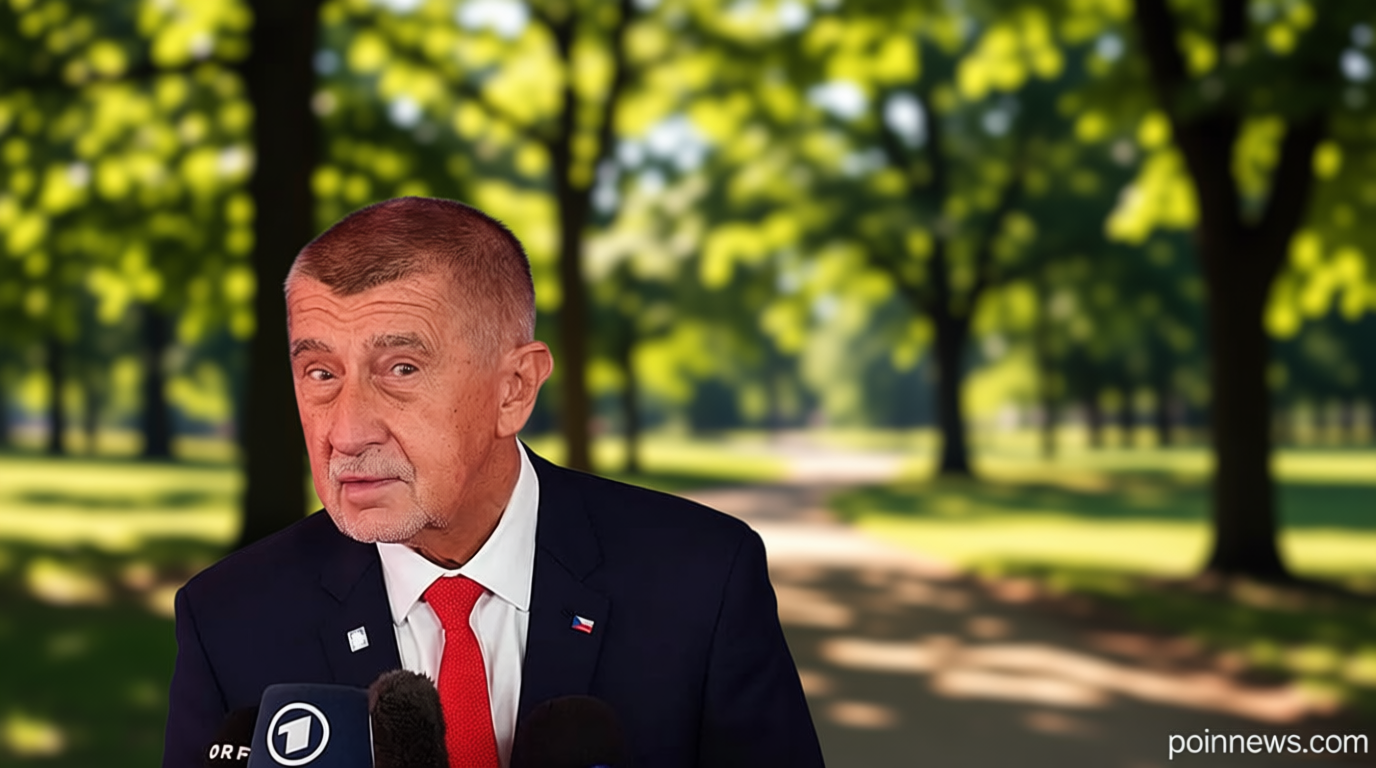
Czech Government Scraps Licence Fees for Public Media
Poinews.com – The Czech government has taken a significant step by scrapping licence fees for public media, a move that has sparked debate about its implications for press freedom. Effective January 1, 2027, the new law replaces the mandatory licence fee system with direct government funding for Czech TV and Czech Radio. This decision, announced on June 15, 2026, aims to streamline financial support for public broadcasters but has drawn criticism from media watchdogs and journalists who fear it may erode editorial independence. With the focus keyword “Czech government scraps licence fees” at the core, the reform marks a pivotal shift in how public media is funded and managed in the country.
A Funding Model Overhaul
The removal of licence fees represents a fundamental change to the financial model of Czech public media. Under the previous system, households were required to pay annual fees to fund broadcasts, a structure that was seen as a democratic mechanism for public accountability. Now, the government will allocate fixed annual budgets to Czech TV and Czech Radio, based on historical revenue data from 2008 to 2024. This approach is intended to simplify funding, but critics argue it could create a dependency on state allocations, potentially allowing political influence to shape content and priorities.
“This reform modernizes public media funding to align with European practices,” stated Culture Minister Oto Klempir, representing the Motorists party, during a joint press briefing with Prime Minister Andrej Babiš. “By shifting to direct allocations, we ensure stable support for public broadcasting while reducing bureaucratic hurdles.”
However, the reform has also raised concerns about transparency. With no mechanism for public input or oversight, some fear the government could prioritize its own agenda over diverse viewpoints. The scrapping of licence fees means that public media outlets will no longer have a direct link to the audience, which could diminish their role as a democratic watchdog. The debate centers on whether this change strengthens or weakens the independence of media in Czech society.
Political Context and Justifications
The decision to scrap licence fees for public media aligns with broader political goals of the Czech government, which is led by the populist ANO party and includes the far-right SPD in its coalition. Prime Minister Andrej Babiš, a key architect of the policy, emphasized the need for accountability, arguing that the previous system failed to produce cost efficiencies. “They haven’t achieved cost reductions, and there’s no oversight,” he said, highlighting the reform as part of a comprehensive strategy to modernize public services.
Despite these justifications, the move has been met with resistance from public media workers. A 24-hour strike by employees of Czech TV and Czech Radio underscored their concerns about the potential for political interference. With the focus keyword “Czech government scraps licence fees” now central to the discussion, the controversy reflects a broader tension between efficiency and independence in media governance.
Public Reaction and International Scrutiny
The scrapping of licence fees for public media has triggered widespread public outcry. A major protest in Prague in March 2026 saw over 200,000 demonstrators voice their discontent, with the reform cited as a key grievance. Many citizens worry that the change will lead to a more centralized media landscape, reducing the diversity of voices in national discourse. Reporters Without Borders (RSF) has echoed these concerns, calling the policy “a threat to press freedom” and warning of a slippery slope toward state control.
“At the end of this surreal journey, we have a weakened independence of public broadcasting, and that’s a dead-end street for democracy,” RSF stated in a recent report. “The Czech government’s decision to scrap licence fees risks undermining the role of media as a check on power.”
International observers have also weighed in, with the European Commission urged to monitor the reform’s impact on media freedom. The Czech government’s decision to eliminate licence fees for public media has been seen by some as a strategic move to consolidate influence, while others view it as a necessary step toward financial stability. As the law moves forward, the debate over its long-term effects will likely intensify.
Implications for Media Independence
Analysts warn that the Czech government’s decision to scrap licence fees for public media could have far-reaching consequences. Without the revenue generated by audience contributions, public broadcasters may become more susceptible to political pressures. This shift, part of the broader “Czech government scraps licence fees” reform, raises questions about the sustainability of editorial independence in the face of direct state funding. Critics argue that the new system lacks the democratic accountability of the previous model, potentially allowing government priorities to dominate media content.
Additionally, the reform has sparked discussions about the future of public media in the Czech Republic. With historical licence fee income now replaced by fixed budgets, there is concern that the new funding model may not account for inflation or changing audience needs. Media experts suggest that the Czech government’s approach could lead to underfunding of public broadcasters, especially if political goals take precedence over journalistic standards. The long-term success of the reform will depend on how effectively it balances efficiency with independence.
As the Czech government implements its plan to scrap licence fees for public media, the outcome remains uncertain. While supporters argue the change promotes financial stability, opponents stress its risks to press freedom. The focus keyword “Czech government scraps licence fees” continues to be a central point of contention, highlighting the broader debate about the role of public media in a democratic society. With the law set to take effect in 2027, the nation watches closely to see whether this reform will strengthen or weaken the independence of its media landscape.