From energy corridors to AI: Can the Turkic world become a new economic force?
From Energy Corridors to AI: Turkic States Embrace Economic Transformation From energy corridors to AI - The Turkic states are transitioning from traditional

From Energy Corridors to AI: Turkic States Embrace Economic Transformation
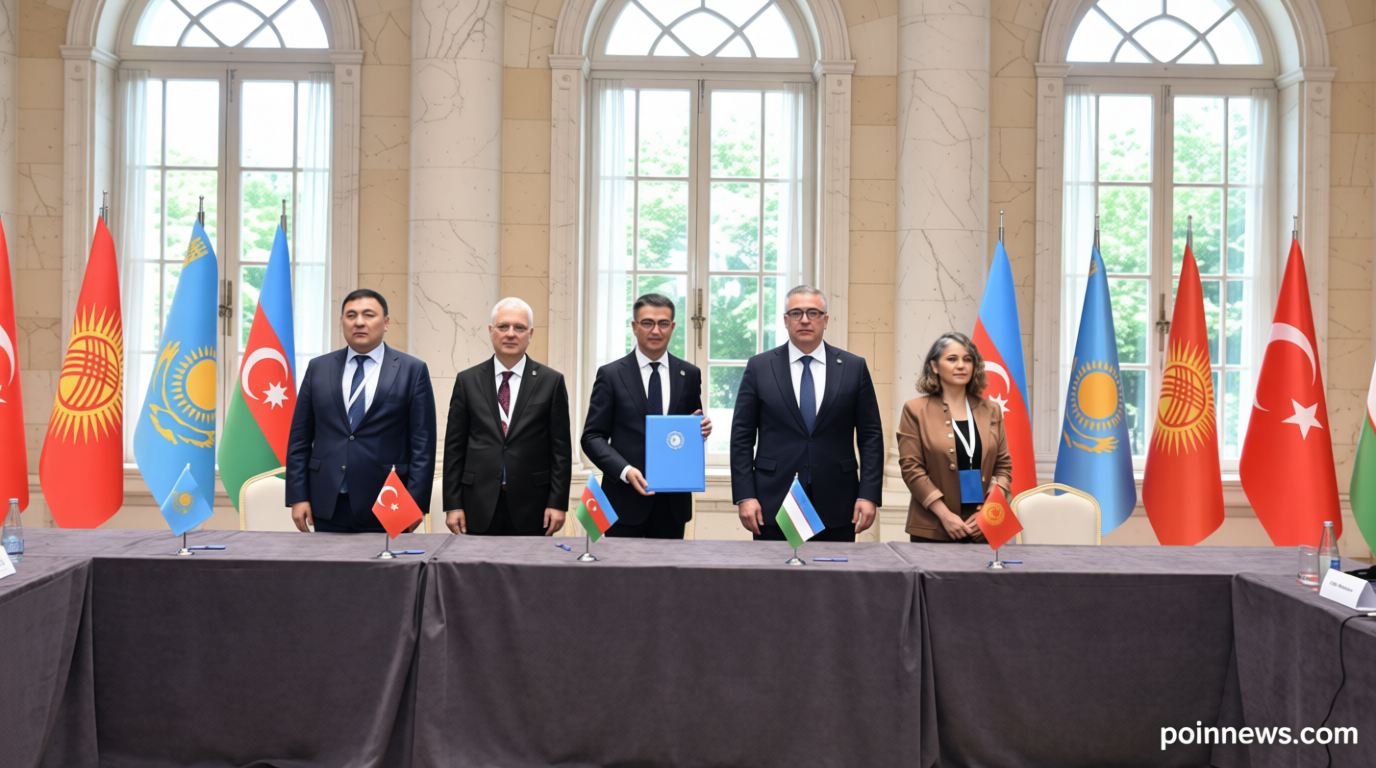
Poinews.com – The Turkic states are transitioning from traditional energy corridors to a new era of technological innovation, particularly in artificial intelligence (AI). This shift marks a significant evolution in their economic strategies, aiming to unite the region under a cohesive framework for growth. With regional leaders increasingly prioritizing trade, infrastructure, and digital advancements, the Organisation of Turkic States (OTS) has emerged as a key platform for fostering collaboration. The recent 3rd Meeting of Heads of Competition Authorities in Shusha, Azerbaijan, highlighted this transformation, emphasizing the role of competition policies in driving progress across the Turkic world.
Shaping a Unified Economic Vision
Birol Küle, head of Turkey’s Competition Authority, stressed the importance of moving beyond theoretical discussions to implement concrete economic initiatives. “It is now imperative that we leave abstract debates behind and focus on actionable cooperation,” he said. Küle argued that the Turkic states must align their regulatory frameworks to ensure fair competition and efficient market operations. This alignment is crucial for addressing shared challenges and maximizing opportunities, especially as the region seeks to compete globally in emerging sectors like AI and data analytics.
“The enforcement of competition law across the entire Turkic region is of utmost importance,” Küle added. He pointed out that the OTS encompasses a vast geographic area, from the Caspian Sea to Central Asia, where economic development is both critical and interconnected.
Addressing Common Economic Challenges
Elnur Baghirov, chairman of Azerbaijan’s State Agency for Antimonopoly and Consumer Market Control, echoed Küle’s sentiments. “The importance of this cooperation lies in the fact that competition issues are increasingly similar across Turkic markets,” he noted. Baghirov highlighted that the region’s economies face common obstacles, such as monopolistic tendencies and inefficiencies in cross-border trade. By harmonizing competition policies, the OTS can create a more predictable and attractive environment for investment, which is essential for sustaining growth in both energy and technology sectors.
The OTS’s focus on economic resilience has expanded beyond political and cultural ties. Member states are now actively exploring joint investment projects, infrastructure upgrades, and digital innovation ecosystems to solidify their regional partnerships. For instance, discussions on digital infrastructure have centered around building high-speed networks and cloud computing platforms to support AI development. These efforts underscore a shared commitment to transforming the Turkic world into a hub for technological and economic advancement.
AI as a Catalyst for Regional Growth
Recent OTS summits have underscored the potential of AI to redefine the region’s economic landscape. Leaders from Kazakhstan, Kyrgyzstan, and Uzbekistan have emphasized the need for collaborative research and development in AI technologies. This includes investments in education, workforce training, and public-private partnerships to drive innovation. By leveraging AI, the Turkic states aim to enhance productivity, streamline logistics, and create new industries that can compete with established global players.
As the OTS moves toward formalizing its economic strategy, the integration of AI into regional planning is seen as a critical step. The bloc has already outlined plans to draft a comprehensive action plan by the end of the year, focusing on how AI can complement existing energy corridors and boost digital trade. This dual focus on energy and AI reflects a broader ambition to position the Turkic world as a dynamic economic force capable of adapting to global market trends.
Future Prospects and Strategic Goals
The Turkic states’ shift from energy corridors to AI represents a strategic realignment that could reshape their economic trajectory. By investing in digital infrastructure and fostering cross-border collaboration, these nations are laying the groundwork for a more diversified and resilient economy. However, challenges such as differing regulatory standards and resource allocation remain. To overcome these, the OTS will need to prioritize transparency, innovation, and sustainable development.
As the region continues to evolve, the success of its economic transformation will depend on consistent policy alignment and active participation from all member states. The OTS’s emphasis on AI and digital innovation signals a bold move toward creating a unified economic bloc. With sustained efforts, the Turkic world may soon emerge as a formidable player in the global economy, proving that strategic cooperation can yield transformative results.