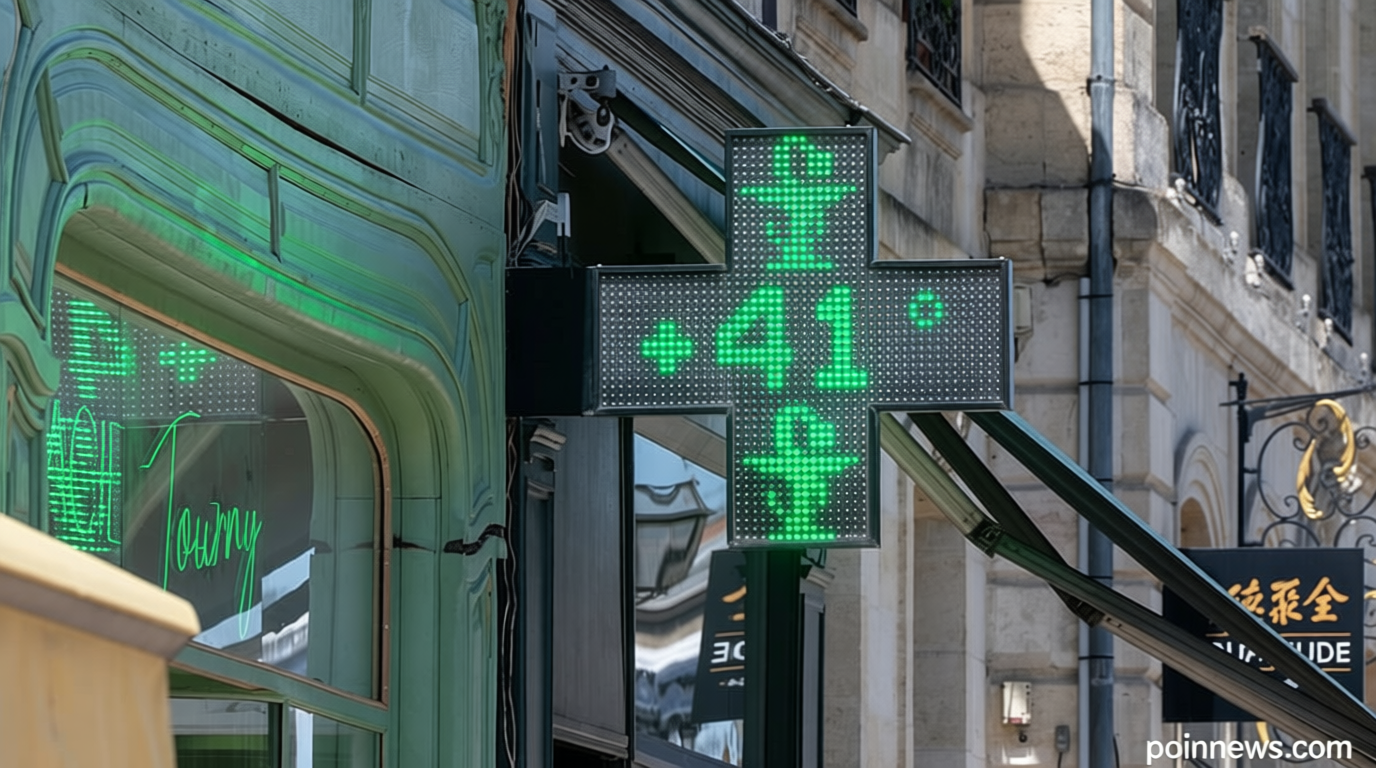
Fire tornadoes have reached Europe: What makes them so dangerous?
Fire tornadoes have reached Europe as the continent experiences one of its most severe wildfire seasons in recent memory. France and Greece are among the

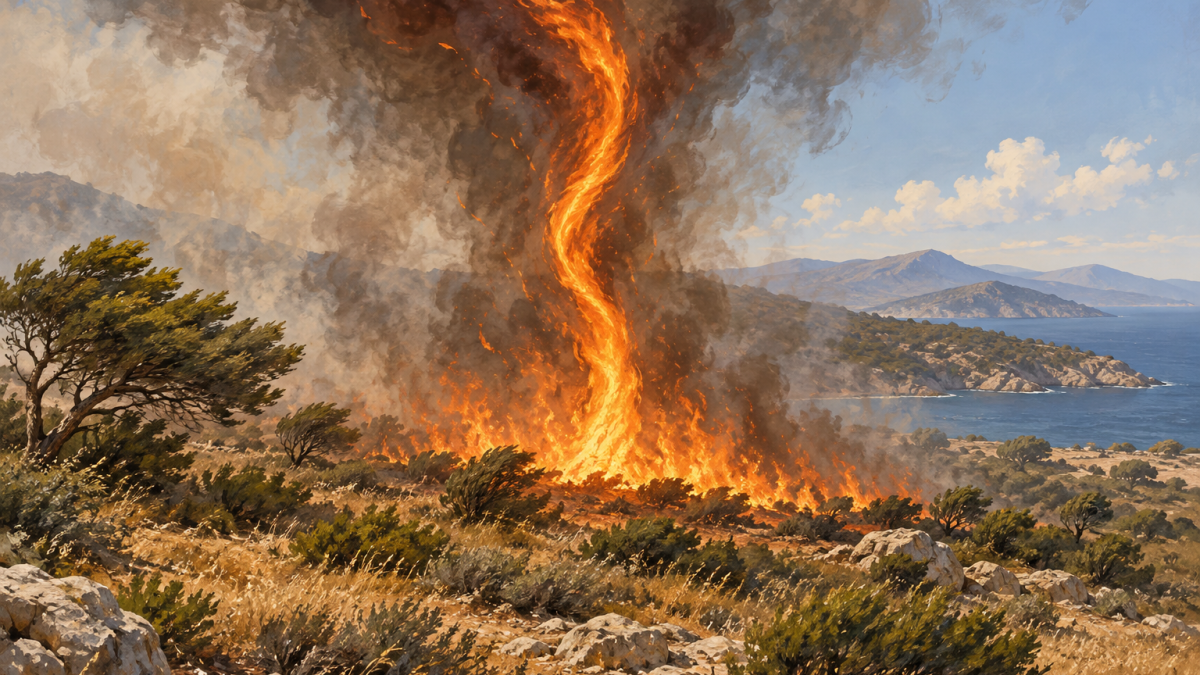
Table of Contents
Fire Tornadoes Have Reached Europe: Understanding the Danger
Poinews.com – Fire tornadoes have reached Europe as the continent experiences one of its most severe wildfire seasons in recent memory. France and Greece are among the nations currently battling extensive blazes, with scientists reporting that these fires are generating an extraordinary phenomenon called a fire whirl or fire tornado. According to wildfire researcher James Urban, assistant professor at Worcester Polytechnic Institute in Massachusetts, this extreme fire behaviour has been documented across multiple European countries in recent days.
The formation of these spinning columns of flames and smoke occurs when intense heat and wind interact in specific ways. Urban explains that the rotational motion develops through a complex combination of wind patterns, terrain features, and the shape of the fire itself. This creates a scenario where a fire develops a strong rotational flow around it, fundamentally changing how the blaze behaves and spreads.
How Fire Tornadoes Form
Fire whirls develop when air is drawn into a fire from multiple directions simultaneously. Obstacles such as dense vegetation, nearby fires, or geographical features can force that airflow into a spinning pattern, dramatically increasing the fire’s intensity. In a fire whirl, or commonly called a fire tornado, the fire entrains air from the sides, creating a recirculation pattern that causes the flames to spin and rise rapidly.
This spinning motion allows the fire to burn more rapidly and keeps flames closer to the ground, enabling them to consume vegetation more quickly. The result is a more intense heat release and a significantly more dangerous fire that can change direction rather quickly. These rapid directional changes represent a major hazard to fire services responding to the blaze.
The Hidden Dangers of Fire Tornadoes
One of the greatest dangers associated with fire whirls is their ability to throw burning debris far ahead of the main flames. This phenomenon, known as firebrand spotting, allows fires to spread unexpectedly and potentially trap firefighters who may not anticipate the rapid expansion. Fire whirls can lead to a phenomena called firebrand spotting, where burning debris is launched ahead of the fire front and this can lead to very rapid fire spread.
This rapid spread is hazardous to both the fire service and nearby communities. When fire whirls occur, they can cause the fire to jump essentially over the fire service, increasing the chances for firefighters to be trapped. Urban believes these events reflect a broader shift in wildfire behaviour as climate conditions become increasingly favourable for extreme fires.
Fire tornadoes have reached Europe during a period when authorities across southern Europe continue to battle major wildfires. Prolonged heat and dry conditions have increased the risk of further outbreaks throughout the region. Extreme heat, driven by human-caused climate change, increases both the likelihood and intensity of wildfires across the continent.
FAQ: Fire Tornadoes in Europe
What exactly is a fire tornado?
A fire tornado, also known as a fire whirl, is a spinning column of flames and smoke that forms when intense heat and wind interact with terrain and vegetation, creating a rotational flow around the fire.
Why are fire tornadoes particularly dangerous?
Fire tornadoes can change direction quickly, throw burning debris far ahead of the flames through firebrand spotting, and potentially trap firefighters who may not anticipate the rapid fire spread.
Which European countries are most affected?
France and Greece are among the countries currently battling large blazes that are producing fire whirls, though the phenomenon has been observed across multiple European nations.
How does climate change contribute to fire tornadoes?
Extreme heat driven by human-caused climate change increases both the likelihood and intensity of wildfires, creating conditions more favourable for extreme fire behaviour including fire tornadoes.