‘Victory’ as Türkiye ends major coal plant expansion – but still lacks phaseout plan
Court Halts Major Coal Expansion in Türkiye, But Phaseout Remains Unaddressed Victory as Türkiye ends major coal - Environmental advocates in Türkiye have

Court Halts Major Coal Expansion in Türkiye, But Phaseout Remains Unaddressed
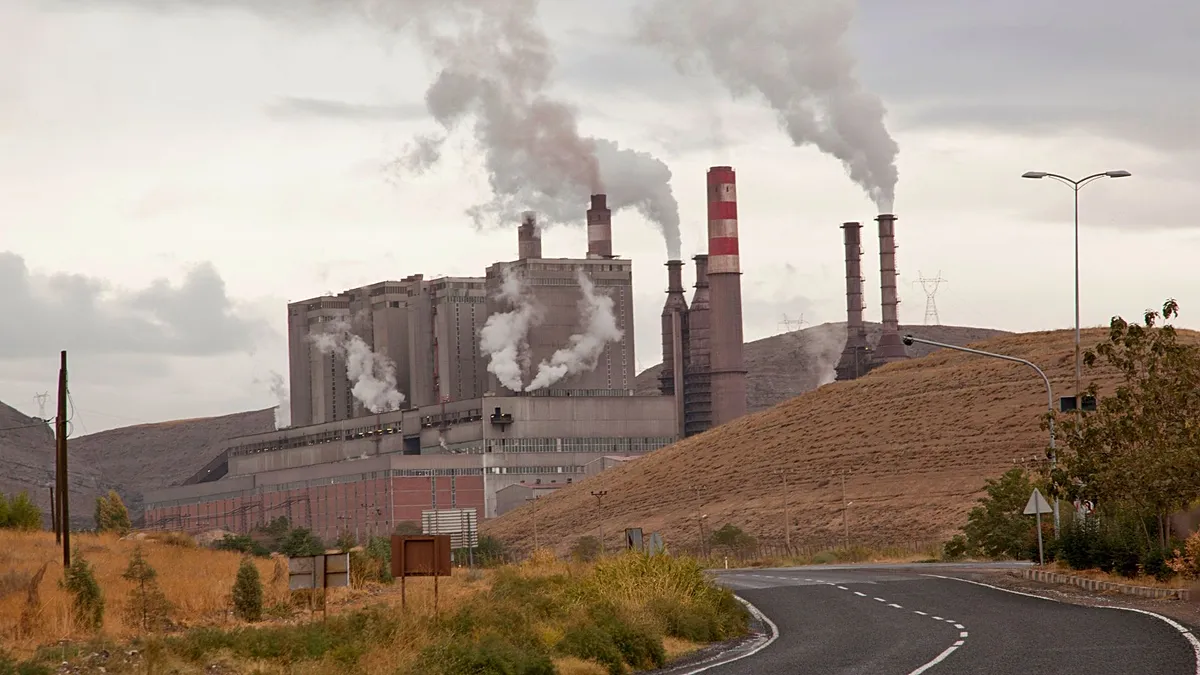
Poinews.com – Environmental advocates in Türkiye have hailed a judicial decision as a significant win for communities after the expansion of the nation’s largest coal-fired power plant was halted. The court’s ruling overturned the Environmental Impact Assessment (EIA) for the Afşin-Elbistan A Thermal Power Plant in Kahramanmaraş Province, citing insufficient evidence to confirm the project’s environmental impacts were within acceptable limits.
“For years, we have been fighting for clean air, fertile land, and the future of our children. This court decision is a victory for the people of Afşin and Elbistan,” says Mehmet Dalkanat from the Afşin Elbistan Life and Nature Protection Platform, which partnered with Greenpeace Türkiye in the legal challenge.
The 688 MW Afşin-Elbistan expansion was one of only two ongoing coal projects in the country, a sharp decline from 95 proposed units totaling 57.5 GW in 2015. The ruling brings the cancellation rate for coal projects to 97%, setting a new global benchmark. However, the absence of a national coal phaseout strategy persists, despite the symbolic triumph.
Remaining Project and Climate Summit Context
While the Afşin-Elbistan expansion was delayed during 2025 due to legal challenges, another project—the 1,050 MW upgrade to the 1,320 MW Cenal Coal Power Plant—remains active. This project was announced in June, even as Türkiye prepares to co-host the UN’s COP31 climate summit in November.
“Expanding coal power is incompatible with hosting the world’s largest climate summit and sends the message that climate action is not being taken seriously,” says Beyond Fossil Fuels, a campaign group.
Coal’s Persistent Role in Energy Production
Türkiye still relies heavily on coal, which accounts for nearly one-third of its electricity generation. The country’s 20.5 GW operating coal fleet, averaging 24 years in age, has no set retirement dates. CAN Europe’s ‘Boom and Bust Coal 2026’ report highlights that coal generation has not yet peaked, with the nation producing more coal-fired terawatt-hours than any other European country.
Despite this, policy support for coal continues, including a guaranteed-rate power purchase agreement valid until 2030, introduced in September 2025. The Afşin-Elbistan project faced scrutiny from a court-appointed committee, which concluded in late 2024 that the project lacked comprehensive assessments of groundwater depletion, outdated mining licenses, and failed to address risks to public health and local culture.
Challenges in the Coal Sector
Some Turkish coal plants have been criticized for operating without adequate filtration systems, contributing to high emissions of CO2, sulfur dioxide, and particulate matter. As subsidies for coal decline, jobs in the sector are vanishing, while the cost of coal-generated electricity is increasing. In contrast, renewables are becoming more affordable: solar and wind production costs have dropped by 69% and 40% over the past decade, respectively.
Türkiye is on track to reach one-third of its 120 GW renewable energy target by 2035, according to the Ministry of Energy and Natural Resources. Yet, the region’s dependence on coal remains a point of contention, with civil society groups warning that new mining plans in the southwest could jeopardize olive groves, residential zones, and cultural landmarks.
Opportunities for Transition
A May 2025 report from Greenpeace Türkiye suggests that renewable investments could generate thousands of new jobs in the Afşin-Elbistan area. As the nation positions itself as a COP31 host, advocates argue that redirecting coal subsidies toward clean energy and grid upgrades would better secure both economic stability and environmental sustainability in coal-dependent regions.