Europe Today: Tensions high in the Middle East as Trump vows 20% Hormuz shipping fee
Europe Today: Trump’s 20% Hormuz Shipping Fee Sparks Middle East Tensions Europe Today — As tensions escalate across the Middle East, the U.S.

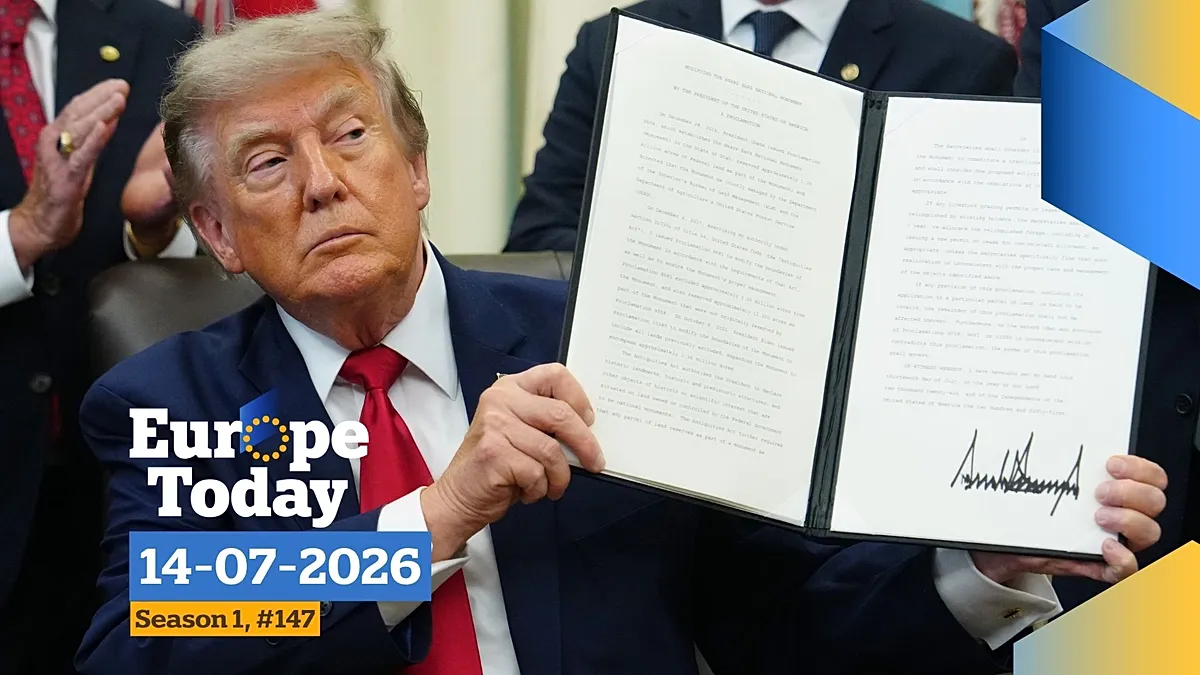
Table of Contents
Europe Today: Trump’s 20% Hormuz Shipping Fee Sparks Middle East Tensions
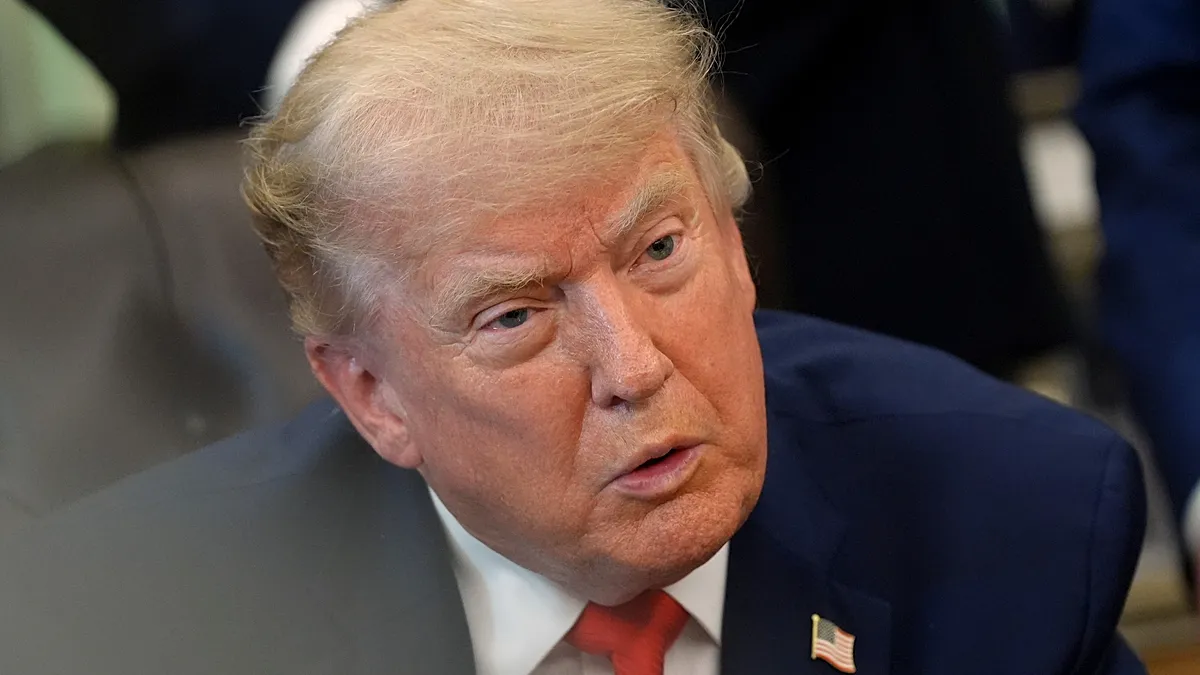
Poinews.com – Europe Today — As tensions escalate across the Middle East, the U.S. President Donald Trump’s announcement of a 20% increase in shipping fees for vessels navigating the Strait of Hormuz has intensified concerns about regional stability. The decision, which aims to bolster American economic interests in the region, has drawn criticism from European allies and raised questions about the long-term implications for global trade. With the Strait of Hormuz serving as a vital artery for oil exports, the fee hike could disrupt energy supply chains and strain diplomatic relations between the U.S. and its European partners.
Global Trade and Diplomatic Repercussions
Trump’s pledge to impose a 20% surcharge on ships transiting the Strait of Hormuz has sparked debates over the economic and strategic impact on international trade. Analysts warn that this move could lead to higher fuel costs and logistical challenges for countries reliant on Middle Eastern oil. Meanwhile, European nations, including Germany and France, have expressed unease, questioning whether the fee is a strategic maneuver to secure influence in the region or a response to growing security threats. The announcement has also prompted discussions about the role of the EU in mediating conflicts and stabilizing trade routes in the Gulf.
Bulgarian Foreign Minister Advocates for EU Unity
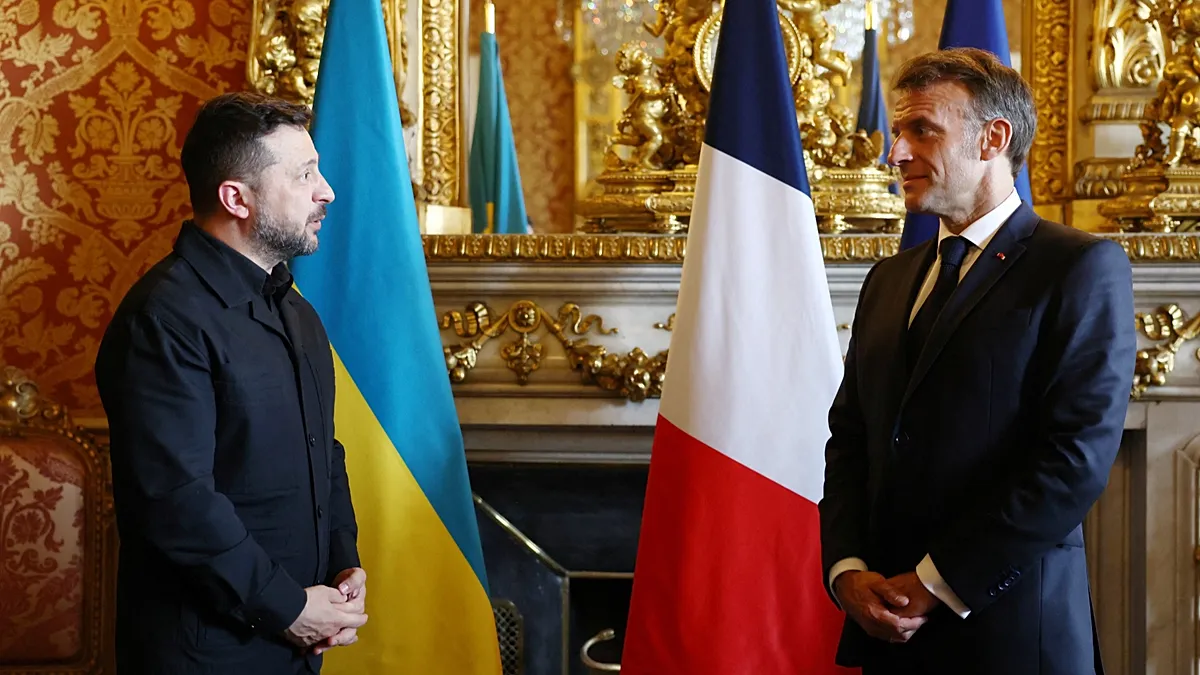
Bulgarian Foreign Minister Velislava Petrova-Chamova emphasized the need for EU solidarity in addressing Middle Eastern crises during the recent foreign ministers’ summit in Brussels. Her remarks highlighted the bloc’s coordinated approach to balancing economic interests with security concerns. Petrova stressed that unified diplomatic efforts are crucial to preventing further fragmentation in the region and ensuring that Europe’s voice remains strong in global affairs. She also called for closer collaboration with NATO allies to safeguard critical infrastructure and maritime corridors.
Azerbaijan’s Withdrawal from Council of Europe Raises Questions
Azerbaijan’s decision to exit the Council of Europe has reignited conversations about the country’s human rights record and its alignment with European values. The move, which follows ongoing disputes over political prisoners and media freedom, reflects a broader shift in the nation’s foreign policy strategy. European leaders have voiced concerns over the implications for the organization’s credibility, while Azerbaijan’s government has framed the departure as a necessary step to focus on regional stability and economic development. This development may also influence other countries considering similar actions.
EU Social Media Regulations Face Growing Criticism
Debates over EU social media regulations have intensified as critics argue the proposed policies risk undermining free speech and fostering censorship. The regulations, designed to hold platforms accountable for spreading disinformation, have drawn attention from tech companies and digital rights advocates. While proponents claim the measures will enhance transparency and combat misinformation, opponents warn they could stifle online discourse and limit the flow of information in Europe. The issue remains a focal point for discussions in the EU’s digital strategy, particularly in light of recent geopolitical developments.
Rajoy’s Comments on French Football Team Spark Racial Controversy
Former Spanish Prime Minister Mariano Rajoy’s remarks about the French football team during a World Cup semi-final buildup have sparked a wave of racial tensions in Europe. His comments, interpreted as racially charged, have drawn sharp criticism from media outlets and public figures, highlighting the sensitivity of cultural narratives in international politics. The incident underscores the intersection of sports and politics, with some arguing that Rajoy’s remarks reflect broader biases toward French identity. It has also reignited debates about how political leaders handle public discourse and represent national values.
Europe Today Show: Daily Insights and Analysis
Europe Today is a daily news program that delivers timely updates and in-depth analysis on pressing issues affecting the continent and beyond. Hosted by Euronews’ chief anchor Méabh McMahon and EU editor Maria Tadeo, the show provides a platform for discussing everything from regional conflicts to digital policy changes. It airs every weekday at 8 am Brussels time, with content available on the website, YouTube, Facebook, X, and Instagram. Subscribers can access the program via newsletter and podcast, ensuring a seamless experience for staying informed on Europe Today’s evolving landscape.