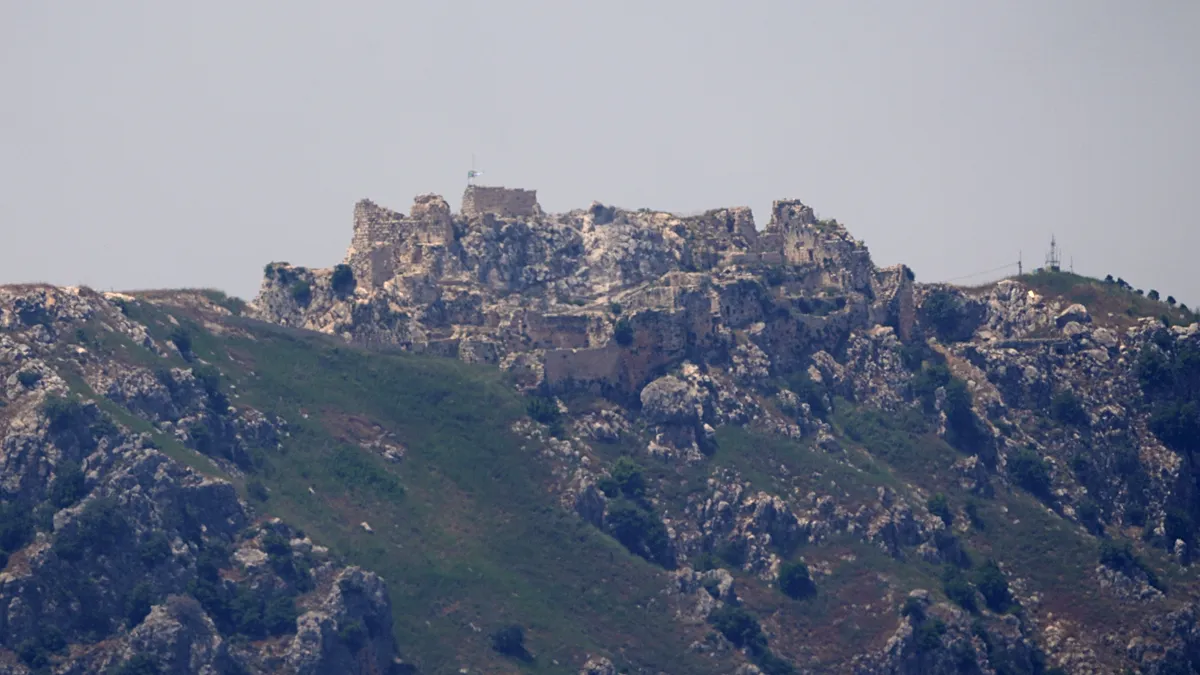
Video. Israeli flag raised over Beaufort Castle in southern Lebanon
Video. Israeli flag raised over Beaufort Castle in southern Lebanon Strategic Fortress Captured Amid Intensified Conflict Israeli flag raised over Beaufort

Video. Israeli flag raised over Beaufort Castle in southern Lebanon
Strategic Fortress Captured Amid Intensified Conflict
Poinews.com – Israeli troops have successfully occupied Beaufort Castle in southern Lebanon, representing their most pronounced military advance in the region since the early 1990s. The castle, a historic Crusader-era stronghold, now stands under Israeli control, signaling a significant shift in the ongoing standoff between the Israeli Defense Forces (IDF) and the Iran-backed Hezbollah militia. This development follows a series of coordinated airstrikes and fierce engagements with Hezbollah fighters in nearby villages, which culminated in the fortress’s capture. The operation highlights the deepening military engagement between the two groups, with Israeli forces demonstrating a willingness to push deeper into Lebanese territory to secure strategic advantages.
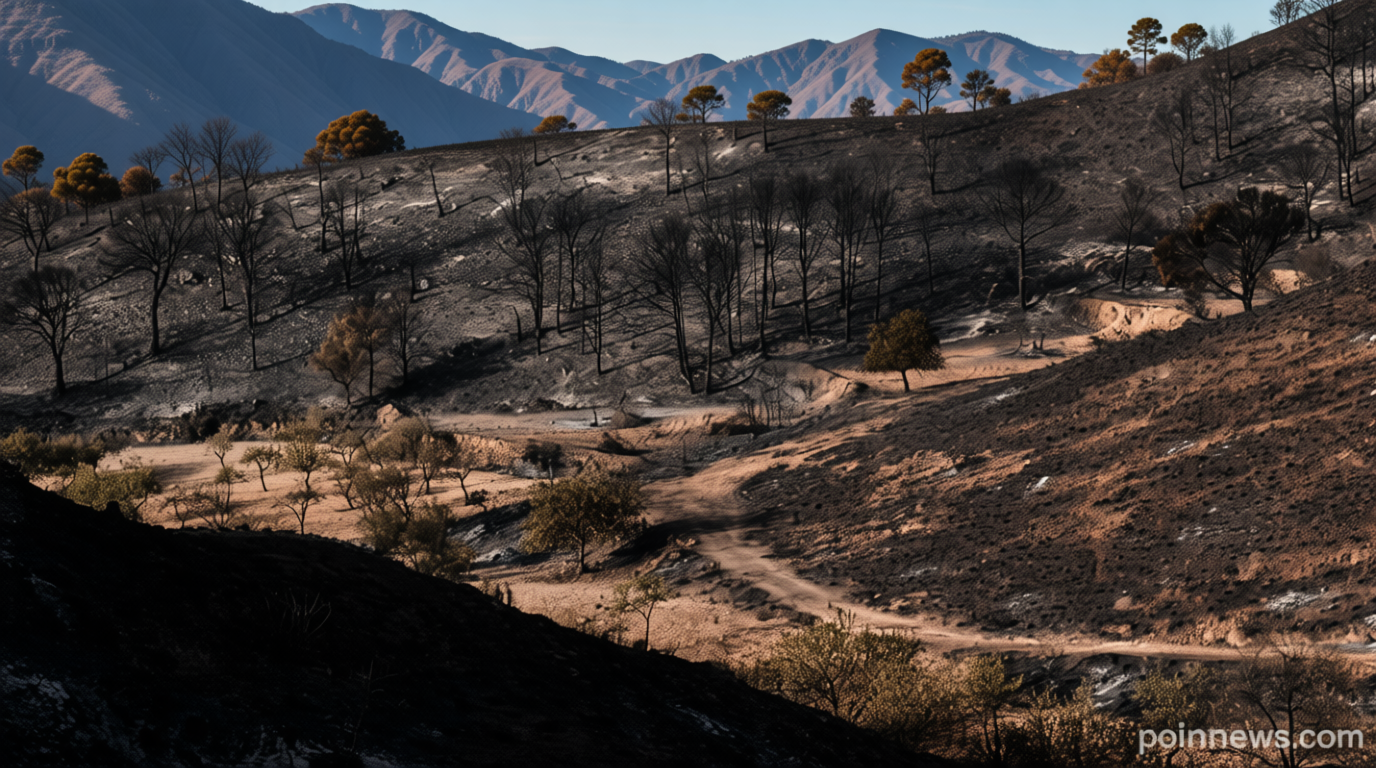
Footage released by the IDF shows the Israeli flag being raised above the ancient fortress, a symbolic moment marking the end of a protracted campaign. The video captures the aftermath of recent strikes, with smoke rising from the village of Arnoun, which lies close to the castle. The visual contrast between the fluttering flag and the destruction in the surrounding area underscores the intensity of the conflict. Analysts suggest that the choice of Beaufort Castle as a target reflects its longstanding role as a critical outpost for both military and logistical operations in the region. Its elevated position allows for unobstructed views of key areas, including the border with Syria, making it a valuable asset for any force seeking to dominate the southern Lebanese landscape.
“The military’s control of the hilltop fortress is part of an expanded effort to neutralize Hezbollah’s influence in the area,” stated Israeli Defense Minister Israel Katz. “This operation is designed to disrupt the group’s ability to launch attacks from southern Lebanon and to consolidate our presence in this strategically vital location.”
The capture of Beaufort Castle is not just a tactical move but a geopolitical statement. For over two decades, the site has been a symbol of Hezbollah’s resilience and its ability to project power into northern Israel. By seizing it, Israeli forces are asserting their dominance in a region that has been a flashpoint for conflict since the 1970s. The operation, which involved multiple waves of air assaults and ground incursions, has been described as a rapid but decisive campaign. Israeli officials emphasized that the castle’s occupation is a temporary step in a larger strategy to pressure Hezbollah and reduce its operational capacity along the border.
Beaufort Castle’s strategic value is well documented. Positioned on a high plateau, it has historically served as a lookout point for both Israeli and Hezbollah forces. During the 2006 Lebanon War, the castle was a focal point of intense battles, with Israeli troops reportedly occupying it for several weeks. Its reappearance as a key target now is seen as a reminder of the enduring significance of the site in regional conflicts. The surrounding villages, including Arnoun, have been frequently targeted in recent weeks, with reports of heavy shelling and aerial bombardments. The destruction in these areas has raised concerns about civilian casualties, though Israeli military officials have not yet confirmed the extent of the damage.
The operation’s timing is noteworthy, occurring amid heightened tensions between Israel and Hezbollah following a series of border clashes and rocket attacks. Hezbollah, which has been strengthening its positions in southern Lebanon, has accused Israel of escalating hostilities without prior warning. In response, Israeli forces have cited the need to eliminate Hezbollah’s ability to threaten Israeli civilians. The castle’s capture is believed to be part of a broader effort to dismantle the group’s network of tunnels and supply routes that have been used to transport weapons and fighters into northern Israel.
Historically, the castle has been a site of repeated battles. During the 1980s, it was a major stronghold for the South Lebanon Army, a Christian militia that was backed by Israel. The South Lebanon Army’s presence there was later replaced by Hezbollah, which has maintained a firm grip on the area for years. The current IDF operation is the first time the castle has been taken by Israeli forces in over 25 years, a fact that has drawn comparisons to past military campaigns. The move has also reignited discussions about the potential for a larger-scale conflict, with some experts warning that the castle’s occupation could lead to a prolonged confrontation in the region.
The international community has reacted with cautious concern to the Israeli advance. European diplomats have called for a ceasefire, while the United Nations has reiterated its stance on protecting civilian populations in the area. The United States, which has been a key ally of Israel in the region, has expressed support for the operation, though it has also urged restraint to avoid further destabilization. Meanwhile, Iran, Hezbollah’s primary backer, has pledged continued support for the group, emphasizing its commitment to defending southern Lebanon from Israeli incursions.
As the situation develops, the strategic implications of Beaufort Castle’s capture are becoming clearer. The IDF has confirmed that the castle is now a fully operational base, with troops stationed there and equipment deployed to reinforce its position. The site’s proximity to the border with Syria has also raised questions about the possibility of a broader regional conflict, as both Israel and Hezbollah have been expanding their influence beyond Lebanon. The operation is expected to continue in the coming days, with Israeli forces likely to maintain their hold on the castle while assessing the next steps in their campaign against Hezbollah.
Residents in the surrounding villages have described the chaos caused by the Israeli airstrikes. “The air was filled with explosions for days,” said a local resident interviewed by a news outlet. “We were terrified, not knowing if the next strike would hit our homes or take out the Hezbollah fighters in the area.” The village of Arnoun, which was heavily bombed, has become a symbol of the conflict’s human cost. Despite the destruction, some villagers have expressed a mix of fear and hope, believing that the castle’s capture might bring an end to the violence or at least force Hezbollah to negotiate.
Analysts suggest that the operation could have lasting consequences for the region’s power dynamics. With Beaufort Castle now under Israeli control, the IDF has established a new foothold that may be used to launch further attacks or to monitor Hezbollah activities. The fortress’s capture also highlights the adaptability of both sides in the conflict, with Hezbollah demonstrating its ability to hold ground for years and Israel showing its capacity to reclaim it when strategic opportunities arise. As the situation unfolds, the focus will remain on the castle’s role in the broader conflict and the potential for renewed hostilities in southern Lebanon.