Video. Russian drone barrage hits Kyiv and Mykolaiv as Ukraine reports major fires
Russian Drone Barrage Hits Kyiv, Ukraine Reports Major Fires Russian drone barrage hits Kyiv and Mykolaiv - On June 12, 2026, a coordinated Russian drone

Russian Drone Barrage Hits Kyiv, Ukraine Reports Major Fires
Poinews.com – On June 12, 2026, a coordinated Russian drone barrage targeted Kyiv and Mykolaiv, causing widespread destruction and triggering significant fires across both cities. The attack, which unfolded in the early hours of the morning, marked one of the most intense drone strike campaigns in recent weeks. Ukraine’s defense forces confirmed that approximately 117 drones were launched overnight, with 102 intercepted or neutralized before they could reach their targets. Despite these efforts, the remaining 15 drones successfully struck critical infrastructure, including residential buildings, industrial zones, and transport hubs. The incident has raised concerns about the escalating use of drones in the ongoing conflict, as Kyiv remains a primary target for Russian aerial assaults. The drone barrage not only disrupted daily life but also highlighted the vulnerability of Ukrainian cities to such attacks, even as the country continues to bolster its air defenses.
Impact on Kyiv’s Infrastructure and Civilian Life
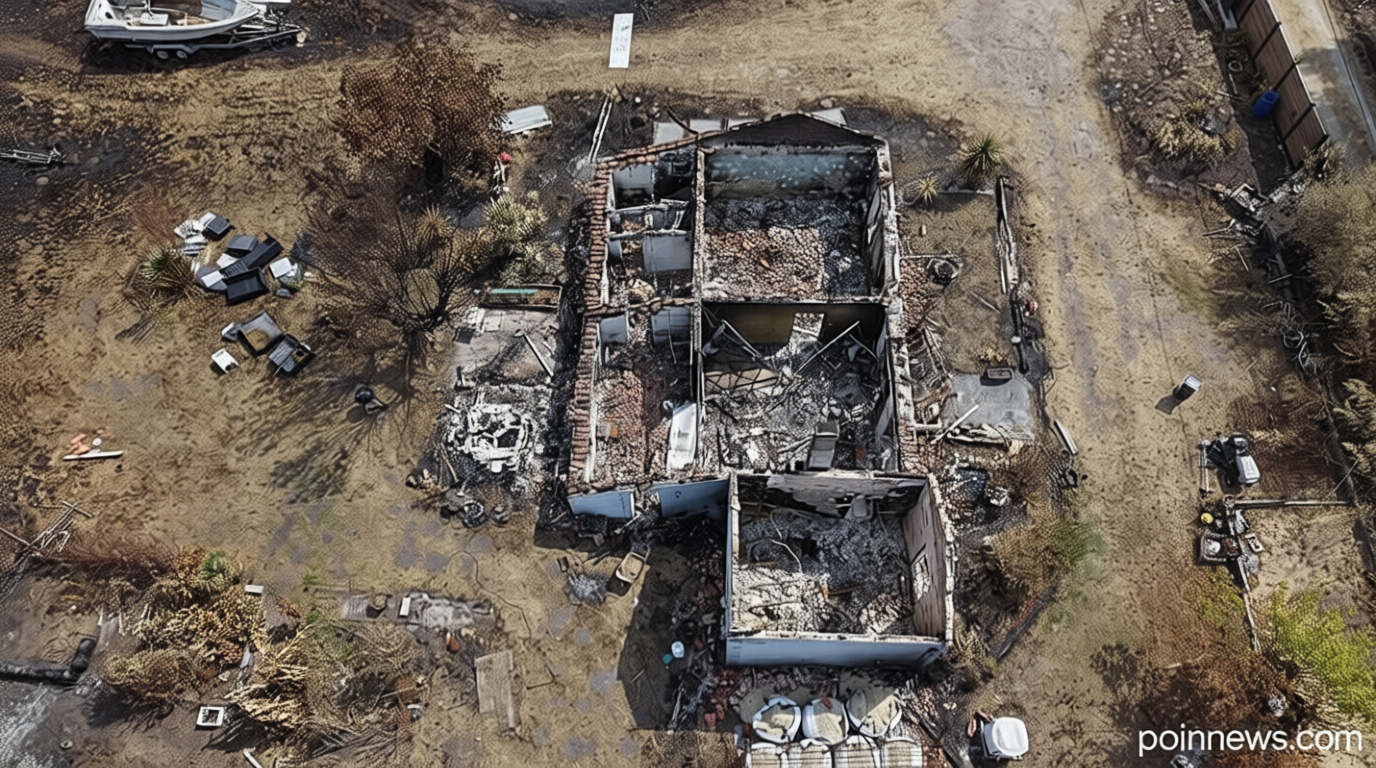
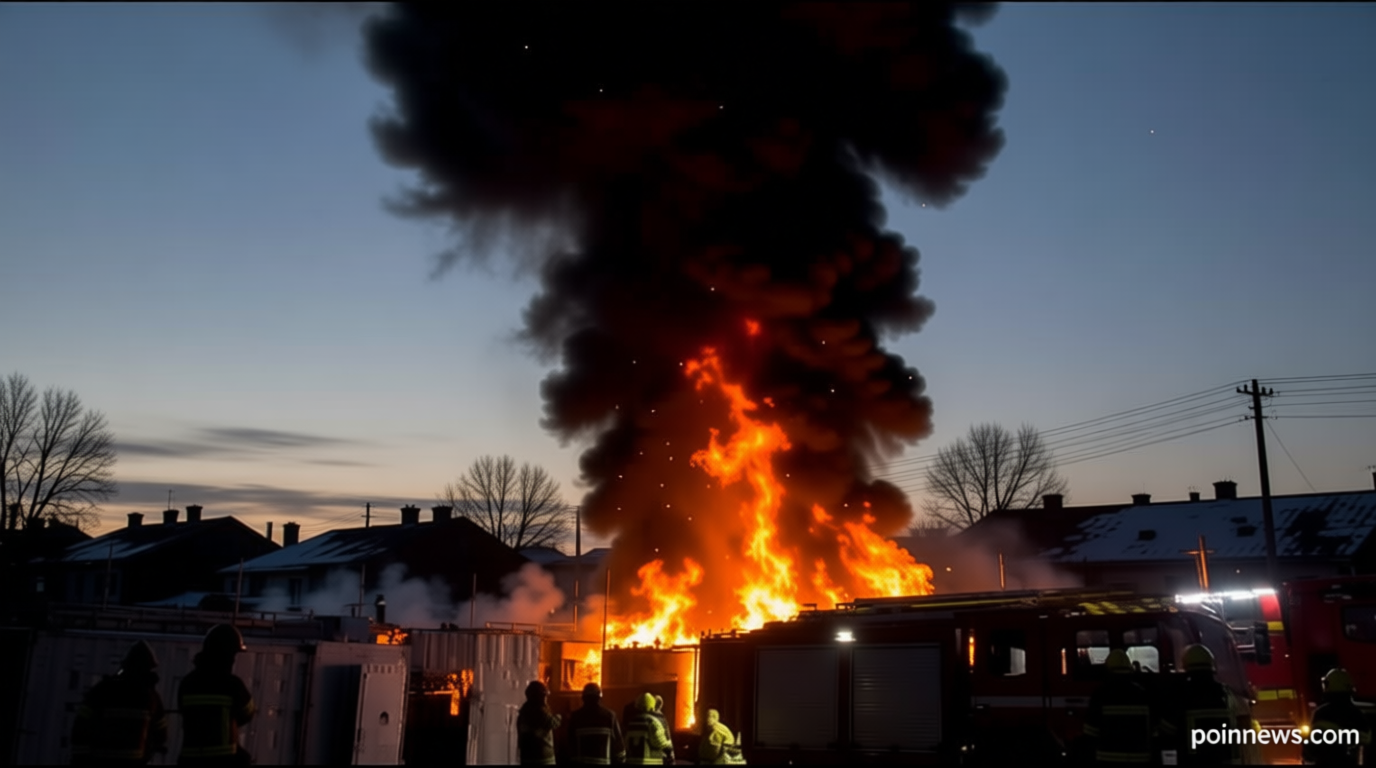
Among the most affected areas in Kyiv was the Boryspil district, located just east of the capital. The drone strike there ignited a massive fire that quickly spread, damaging several structures and forcing evacuations. Witnesses described the scene as chaotic, with flames visible from the city center and heavy smoke obscuring parts of the skyline. Emergency services worked tirelessly to contain the blaze, but the damage underscored the difficulty of protecting urban areas from sustained aerial attacks. Meanwhile, the Kyiv region reported at least 12 confirmed casualties, with many more injured in the strikes. The focus keyword “Russian drone barrage hits Kyiv” becomes evident in the intensity of the attacks, which have increasingly targeted strategic locations in the capital, including energy facilities and communication centers. Analysts suggest that the campaign aims to weaken Ukraine’s ability to coordinate defense efforts and disrupt its supply chains.
“This barrage is a clear demonstration of Russia’s evolving tactics,” said a Ukrainian defense official. “They are now targeting not just military installations but also civilian infrastructure to create maximum disruption.”
The scale of the drone attacks in Kyiv and Mykolaiv has prompted renewed calls for international support. Ukrainian officials emphasized that the drone barrage was part of a larger strategy to test the resilience of the capital and signal a shift in the war’s dynamics. In Kyiv, the strikes primarily focused on areas near the airport and industrial zones, which are vital to the country’s logistics and energy sectors. The fires caused by the drone barrage have forced temporary shutdowns of key power plants, raising fears of a potential blackout in the region. In Mykolaiv, the attacks targeted a port facility, which serves as a critical hub for grain exports. The damage there has disrupted supply routes, affecting the economy and global food markets. These strikes have also led to a surge in civilian complaints about the safety of their neighborhoods, with many residents expressing frustration over the lack of early warning systems.
Escalating Drone Threats and Strategic Significance
The Russian drone barrage hits Kyiv and Mykolaiv as part of a broader pattern of attacks that have intensified over the past year. Ukraine’s military has reported a steady increase in the number of drones used in operations, with some estimates suggesting that Russia has deployed hundreds of these unmanned aerial vehicles in recent months. The current campaign, however, stands out for its precision and coordination, indicating that Russia may have refined its tactics to maximize damage with fewer resources. Analysts note that the use of drones in Kyiv and Mykolaiv reflects a strategic effort to pressure Ukraine’s urban centers while diverting attention from frontline operations. The strikes also serve as a psychological tool, instilling fear among civilians and testing the effectiveness of Ukraine’s air defense systems.
According to the Ukrainian Air Force, the drone barrage in Kyiv was executed in waves, with multiple drones attacking simultaneously to overwhelm the defense network. This approach has been linked to the use of advanced drone technology, including swarm tactics, which allow for coordinated strikes on multiple targets. The incident has prompted discussions about the need for upgraded radar systems and more effective anti-drone measures. In Mykolaiv, the attacks targeted both military and civilian assets, with reports of damaged warehouses and a major fire at a local factory. The combination of these strikes has demonstrated the dual-purpose nature of Russian drone attacks, which can cause both physical destruction and economic strain.
“The Russian drone barrage hits Kyiv with the intent to destabilize the capital’s infrastructure and morale,” said a military analyst. “This is a calculated move to create long-term challenges for Ukraine’s recovery efforts.”
The aftermath of the Russian drone barrage hits Kyiv and Mykolaiv has seen a mix of resilience and vulnerability. In Kyiv, volunteers and emergency responders worked around the clock to extinguish fires and assist displaced residents, showcasing the city’s determination to recover. However, the damage has also highlighted the need for better preparedness in the face of such attacks. Meanwhile, Mykolaiv’s port facility, which had been a symbol of Ukraine’s economic resilience, now faces significant repairs and delays. The fires caused by the drone strikes have prompted questions about the long-term effects on the region’s energy and transportation networks. As the conflict enters a new phase, the Russian drone barrage hits Kyiv and Mykolaiv may serve as a precursor to even larger operations, with experts warning that the use of drones is likely to continue as a key component of Russia’s military strategy.
International reactions to the Russian drone barrage hits Kyiv and Mykolaiv have been swift, with several countries pledging additional military aid. The European Union has called for increased support to Ukraine’s air defense capabilities, while NATO nations have reiterated their commitment to backing Kyiv’s efforts. In a press statement, a European diplomat noted that the attack underscores the need for a unified front against Russian aggression. Meanwhile, the United States has announced a new package of drones and missile systems, aiming to strengthen Ukraine’s ability to defend itself. The incident has also sparked debates about the role of drone technology in modern warfare, with some experts arguing that the Russian drone barrage hits Kyiv represents a new era of asymmetric combat. As Ukraine continues to adapt to these threats, the focus remains on minimizing civilian casualties while protecting critical infrastructure from further attacks.