Fact check: Can EU countries restrict or ban Israeli settlement imports?
Restrict or Ban Israeli Settlement Imports? Fact check - Recent discussions about imposing limitations on products from Israeli settlements in the occupied

Fact Check: Can EU Countries Restrict or Ban Israeli Settlement Imports?
Poinews.com – Recent discussions about imposing limitations on products from Israeli settlements in the occupied West Bank are intensifying throughout Europe. While France and Sweden have called for uniform EU regulations, other nations like Belgium, Spain, Slovenia, and Ireland are assessing their own approaches to addressing settlement imports. These efforts come as Israeli settlements continue to grow, raising concerns about their economic and political implications.
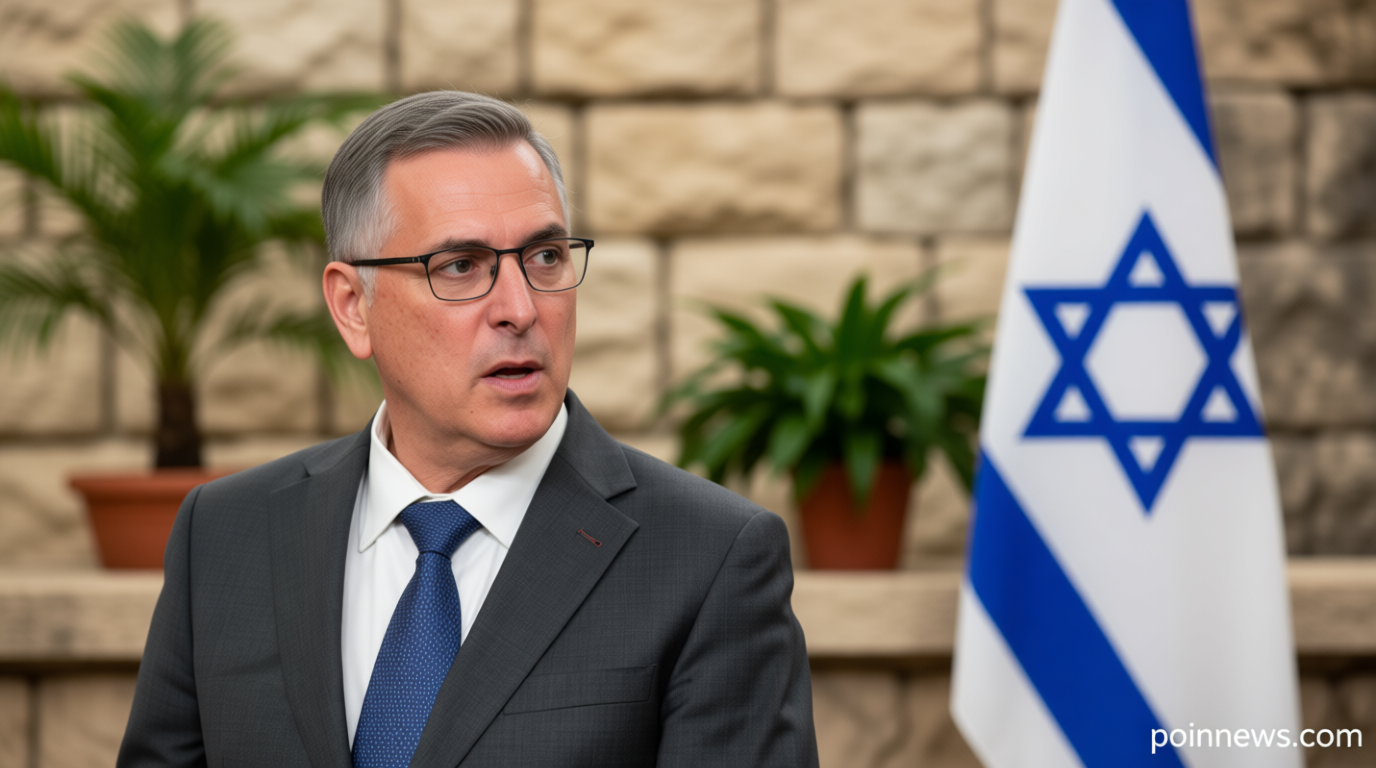
Israeli Finance Minister Betzalel Smotrich highlighted in 2025 that 69 new settlements were approved in recent years, marking a significant expansion. However, data from the Peace Now monitoring group reveals that 103 settlements were approved in the West Bank since the current government took power in late 2022. This increase has sparked debates over how effectively EU laws can address the issue.
EU Legal Framework and Trade Rules
The European Union differentiates between Israel’s main territory and its settlements in occupied regions. Goods from these settlements are excluded from preferential tariff treatment under the EU-Israel Association Agreement. Despite this, they can still enter the EU without duty-free advantages. The European Commission has also mandated that settlement products be clearly labeled, a requirement that has been in place since 2004.
Since that time, Israeli exporters have needed to provide postal codes indicating production locations. This allows the EU to identify whether goods originate from Israel or its settlements. In 2019, the Court of Justice of the European Union ruled that settlement-produced food must be labeled with its actual origin to prevent consumer deception.
Investigations into Implementation Gaps
A new analysis by the Global Echo Litigation Center suggests that settlement products still benefit from tariff advantages. The organization examined over 30,000 trade records from 2017 to 2026 and found that about one-fifth of Israeli exports to the EU come from settlements in the West Bank, East Jerusalem, and the Golan Heights. Emily Schaeffer Omer-Man, founder of the center, explained that industry representatives reported three methods to circumvent the rules:
The first is ‘hiding in plain sight,’ where product documents list Israeli origin but omit settlement details. The second involves mislabeling, with goods declared as Israeli-made despite being produced in settlements. The third method blends settlement products with those made in Israel, using a single ‘Product of Israel’ label to obscure their true origin.
Similarly, +972 Magazine, an independent media outlet supported by Palestinian and Israeli journalists, reported in January 2026 that some settlement-based wineries exported bottles labeled only as ‘Made in Israel.’ This highlights ongoing challenges in enforcing origin verification protocols.
Customs Challenges and Legal Questions
Experts note that customs officials bear the primary responsibility for verifying product origins. Agnès Bertrand-Sanz, a spokesperson for Oxfam Belgium, emphasized that the effectiveness of these checks depends heavily on the capacity of customs authorities. This has led to questions about whether current measures are sufficient to prevent settlement goods from entering the EU without proper tariffs.