Switzerland heading towards referendum on construction of new nuclear plants
ction Switzerland heading towards referendum on construction - Switzerland is set to hold a referendum on the construction of new nuclear plants, marking a

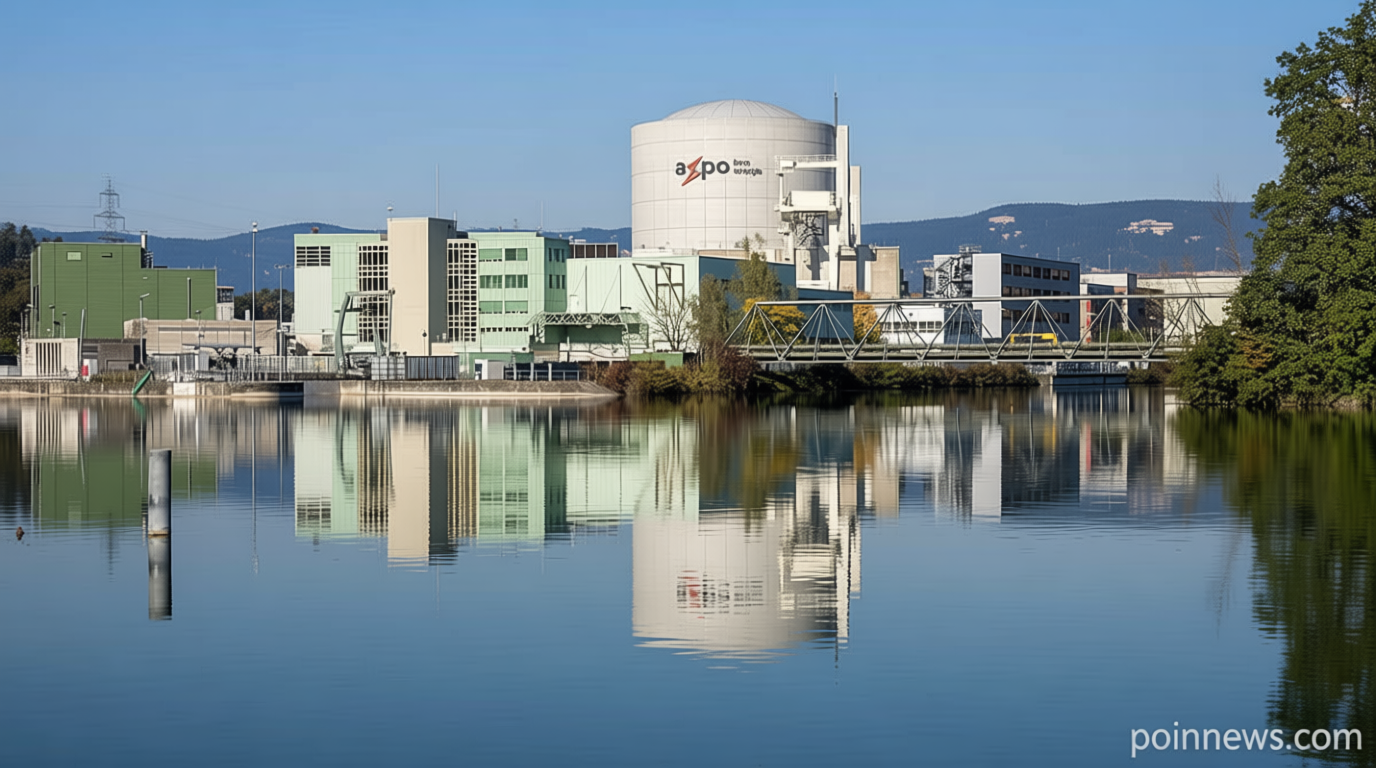
Switzerland to Hold Referendum on Nuclear Plant Construction
Poinews.com – Switzerland is set to hold a referendum on the construction of new nuclear plants, marking a pivotal moment in the nation’s energy policy. After years of debate, the Swiss parliament has finally approved a government initiative to build additional nuclear reactors, overturning a 2018 legislative ban that had previously halted such projects. This decision, which received unanimous support from both chambers of parliament, signals a shift in the country’s approach to energy production, aiming to bolster its energy security while addressing climate goals. The referendum, which will determine public opinion on the expansion of nuclear energy, is expected to spark intense discussions among citizens and political factions.
Energy Security and Climate Goals
Switzerland’s push to revive nuclear power is rooted in concerns about energy stability. Energy Minister Albert Rosti highlighted during parliamentary debates that the nation’s reliance on imported electricity—particularly during winter months—poses a risk to its energy independence. With the current energy mix heavily dependent on renewables and hydropower, the government argues that nuclear plants can serve as a reliable backup, ensuring uninterrupted power supply during periods of low renewable output. This initiative aligns with Switzerland’s commitment to achieving net-zero emissions by 2050, as nuclear energy is considered a low-carbon alternative to fossil fuels.
“The referendum represents a necessary step to secure our energy future,” Rosti added. He emphasized that the approval of new plants is contingent on securing adequate financing, a hurdle both the National Council and the Council of States have confirmed. The government has also stressed that the project will proceed only if it meets strict safety and environmental standards, addressing public apprehensions about nuclear risks.
Political and Public Debate
The decision to lift the nuclear construction ban has reignited a heated political discourse. Proponents argue that nuclear energy is essential for reducing Switzerland’s carbon footprint and diversifying its energy sources, while opponents, including environmental groups, warn of the potential ecological and financial consequences. The Green Party, which had previously championed the 2018 ban, has vowed to challenge the initiative through a broad coalition of climate-conscious organizations. They claim the referendum could undermine progress toward renewable energy targets and climate neutrality, particularly as the country continues to invest in solar and wind power.
Public sentiment remains divided. While some citizens support the idea of nuclear plants as a clean and reliable energy source, others express concerns about safety, waste management, and the long-term costs of nuclear infrastructure. A recent survey revealed that 52% of Swiss voters favor the expansion of nuclear energy, but the opposition remains strong, with 41% opposing the move. The referendum, scheduled for late 2026, will serve as a direct vote on whether to continue the nation’s nuclear energy program, reflecting the balance between environmental priorities and energy pragmatism.
Existing Infrastructure and Future Plans
Switzerland currently operates four nuclear reactors, all built in the 20th century, with Beznau 1—the oldest active plant in Europe—set to shut down in 2033. Its sister reactor, Beznau 2, will cease operations by 2032, leaving a gap in the country’s energy production that the government aims to fill with new reactors. The existing reactors contribute approximately 35% of Switzerland’s electricity, a significant share that underscores the importance of nuclear energy in the nation’s grid. With plans to replace aging facilities, the government envisions a future where nuclear power complements renewable sources rather than replaces them.
The proposed new plants are designed to be modern, with advanced safety features and waste management systems. Engineers and policymakers stress that these reactors will be built to current standards, minimizing the risks associated with older models. However, the timeline for construction remains unclear, with the government stating that the referendum will determine whether to proceed with immediate investments or delay plans until further public approval is secured. This phase of the project is critical, as it will define the role of nuclear energy in Switzerland’s long-term sustainability strategy.
Global Context and Regional Implications
Switzerland’s decision to revive nuclear energy comes amid a broader trend in Europe, where several nations are reassessing their reliance on fossil fuels. Following the energy crises triggered by the US-Israeli conflict over Iran and Russia’s invasion of Ukraine, many European countries have sought to diversify their energy portfolios. Switzerland’s referendum reflects this shift, as the government seeks to balance the country’s commitment to climate action with the need for stable energy supply. The outcome could influence neighboring nations, particularly those in the Alpine region, which also face challenges in achieving energy independence.
International energy experts have noted that Switzerland’s move is part of a larger conversation about the role of nuclear power in decarbonizing the grid. While some view it as a necessary step, others argue that the focus should remain on accelerating renewable energy deployment. The Swiss government, however, maintains that nuclear energy is a strategic asset in the transition to a low-carbon economy, capable of providing consistent power during times of grid stress. This argument is supported by data showing that nuclear energy can generate electricity 24/7, unlike solar and wind, which are intermittent by nature.
As the referendum approaches, the debate over nuclear energy in Switzerland is expected to intensify. Advocates will highlight the benefits of nuclear power in ensuring energy security, while opponents will emphasize the environmental and economic risks. The final decision will not only shape Switzerland’s energy landscape but also serve as a test case for how other countries can integrate nuclear energy into their sustainability frameworks. With the clock ticking toward the public vote, the nation’s citizens will have the opportunity to decide the future of their energy strategy, potentially setting a precedent for similar initiatives in Europe.