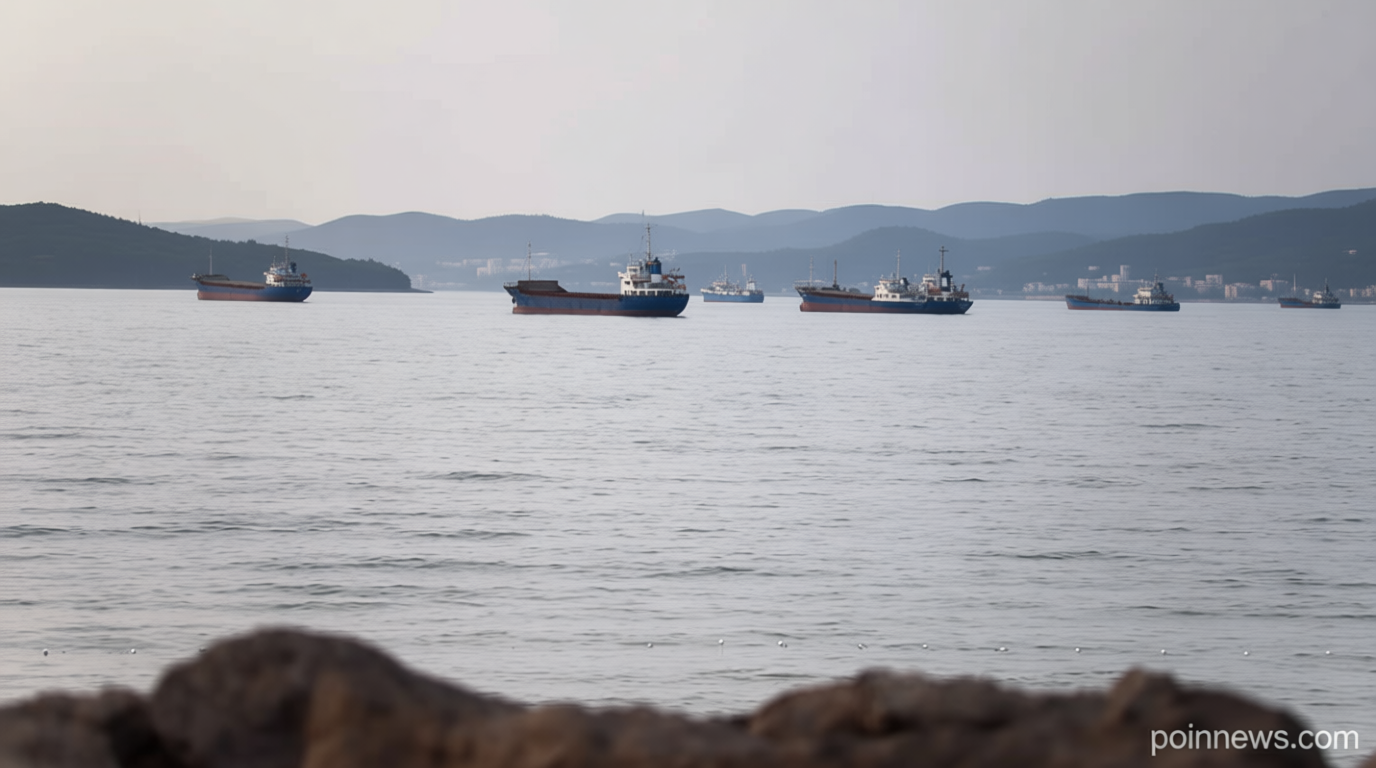
Japan’s southernmost region of Okinawa braces for Typhoon Jangmi
Japan’s Southernmost Region of Okinawa Braces for Typhoon Jangmi Japan s southernmost region of Okinawa - As of Monday, the southernmost region of Japan

Japan’s Southernmost Region of Okinawa Braces for Typhoon Jangmi
Poinews.com – As of Monday, the southernmost region of Japan, Okinawa, is preparing for the approach of Typhoon Jangmi, a formidable storm system poised to deliver intense rainfall and powerful winds. With the typhoon expected to intensify over the coming days, local authorities have issued urgent advisories to ensure public safety. The Japan Meteorological Agency (JMA) has classified the system as a Category 2 storm, warning that it could trigger catastrophic consequences in the affected islands.
Regional Impact and Forecast
According to the JMA, the Okinawa Islands, Sakishima Islands, and Daitō Islands will experience the highest risk of landslides and towering waves. These regions are already prone to severe weather due to their geographic location, which makes them particularly vulnerable during typhoon season. The agency’s latest report highlights that wind gusts could reach up to 162 kilometers per hour, posing a significant threat to infrastructure and daily life.
“Typhoon Jangmi is anticipated to bring unprecedented levels of precipitation and sustained high winds to the region. Coastal areas must prepare for flooding, while inland zones should monitor for potential landslides that could disrupt transportation and communication networks,” stated a JMA official in a press briefing.
The storm’s trajectory is expected to shift toward the Amami region by Tuesday, altering its path from the southernmost islands to the central archipelago. This movement could lead to additional challenges, as the Amami region is known for its dense population and strategic economic importance. The JMA has recommended that residents in both areas remain vigilant and take proactive measures to mitigate the storm’s effects.
Community Warnings and Precautions
Authorities have emphasized the need for caution, advising citizens to avoid unnecessary travel and prioritize indoor activities. This includes refraining from outdoor work and keeping emergency supplies accessible. Particular attention is being directed toward vulnerable groups such as the elderly, children, and individuals with chronic health conditions, who are encouraged to evacuate early if necessary.
Local emergency services have activated their response protocols, deploying teams to monitor weather conditions and assist with evacuation efforts. Schools and businesses have also been closed in anticipation of the typhoon’s arrival, with many residents staying home to avoid the risks associated with the storm. Community centers are serving as shelters for those unable to return to their homes, and relief supplies are being stockpiled in advance.
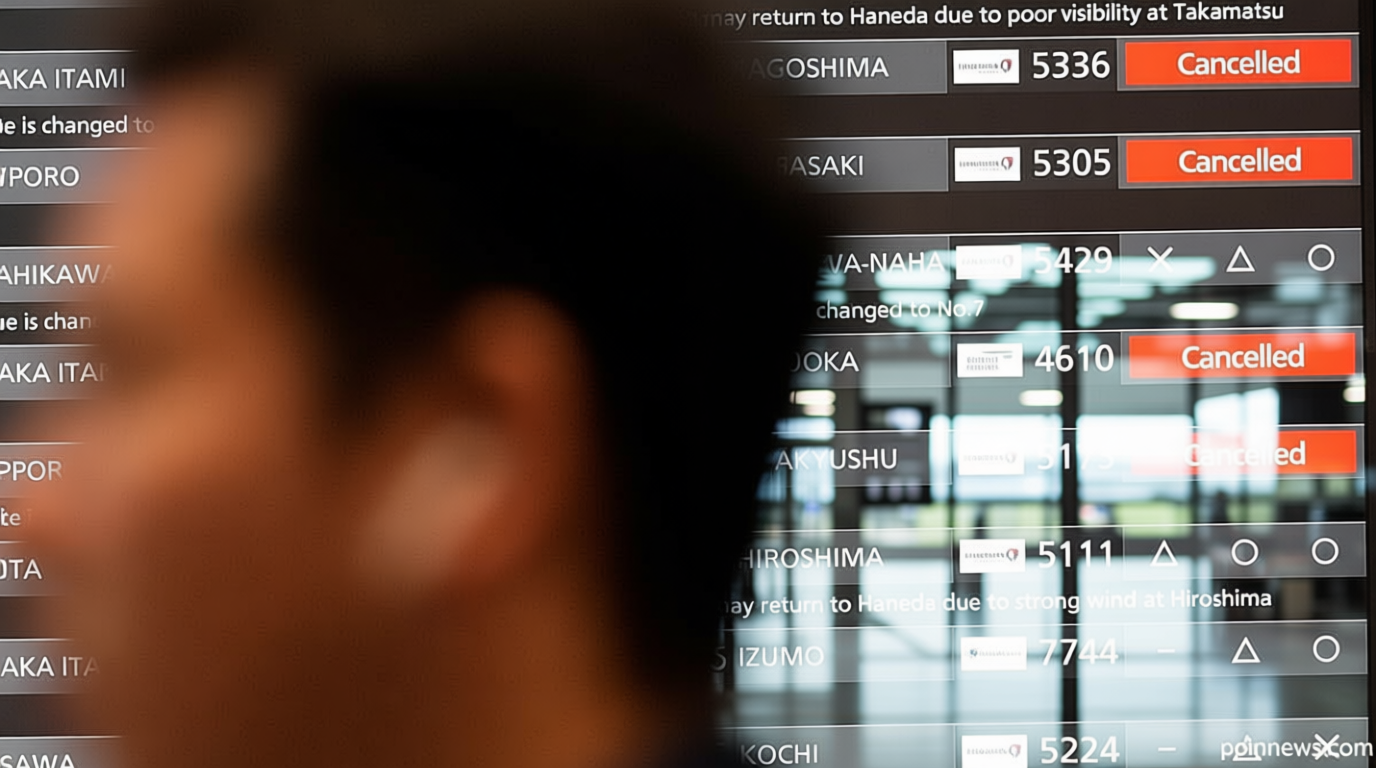
Transportation networks are under strain, with more than 400 flights primarily operated by All Nippon Airways canceled due to the incoming storm. Airports in Okinawa have implemented flight restrictions, and ferries between the islands have been suspended to prevent accidents. The JMA has also advised drivers to avoid mountainous roads and coastal highways, where the combination of heavy rain and strong winds could create hazardous conditions.
Broader Weather Patterns and Historical Context
While the immediate focus is on Typhoon Jangmi, experts note that this event is part of a larger pattern of increased storm activity in the Pacific. In 2025, Japan recorded a record-breaking 27 typhoons, surpassing the historical average of 25. This surge in tropical cyclones has raised concerns about the potential impacts of climate change on regional weather systems.
According to the JMA, Typhoon Jangmi is the sixth storm of the year, signaling an active early season. The agency attributes this to warmer sea surface temperatures and shifting atmospheric conditions, which have created a more favorable environment for typhoon formation. While the exact cause of the increased frequency is still under study, scientists suggest that rising global temperatures may be contributing to more frequent and intense weather events.
Okinawa, located at the edge of the typhoon belt, has historically been a frequent target of these storms. Its position near the equator exposes it to the full force of tropical cyclones, which often bring torrential rains and sustained high winds. The region’s residents are well-versed in disaster preparedness, having endured numerous typhoons over the years. However, the combination of rising sea levels and more extreme weather patterns could exacerbate the challenges posed by future storms.
Local officials have expressed concerns about the potential for long-term damage to the region’s economy and environment. Tourism, a vital sector for Okinawa, could suffer significant losses due to flight cancellations and the disruption of daily activities. Additionally, the agricultural industry, which relies heavily on stable weather conditions, may face challenges as the typhoon’s heavy rains could affect crop yields and soil stability.
Global Implications and Future Outlook
While Typhoon Jangmi is a regional concern, its impact could serve as a warning for broader climatic trends. The JMA has warned that the increased frequency of typhoons may lead to more frequent disruptions in transportation and communication, affecting both local and international operations. This could also strain emergency response resources, highlighting the need for improved infrastructure and disaster management strategies.
Experts are closely monitoring the storm’s progress, with satellite data and weather models providing critical insights into its behavior. The JMA has also collaborated with neighboring countries to share information and coordinate relief efforts, underscoring the interconnected nature of climate events. As the typhoon approaches its peak intensity, updates will be continuously released to keep the public informed.
Residents are encouraged to stay updated through local news channels and official advisories. Social media platforms have become vital tools for disseminating information, with updates on evacuation routes and shelter locations being shared widely. The community’s resilience in the face of such challenges is a testament to its preparedness, but the scale of this particular storm underscores the importance of continued vigilance.
As the typhoon moves inland, its effects will continue to be felt in various regions. The JMA has already warned that heavy rainfall is expected to spread to the coastal Kanto region, including Tokyo, by Wednesday. This could lead to additional flooding and disrupted services, prompting further precautionary measures. The broader implications of this weather pattern may prompt a reevaluation of regional climate models and disaster response plans.