EU leaders aim for October draft deal on €2 trillion budget
EU Leaders Aim for October Draft Deal on €2 Trillion Budget EU leaders aim for October draft - In Brussels, EU leaders have set a target to finalize a

EU Leaders Aim for October Draft Deal on €2 Trillion Budget
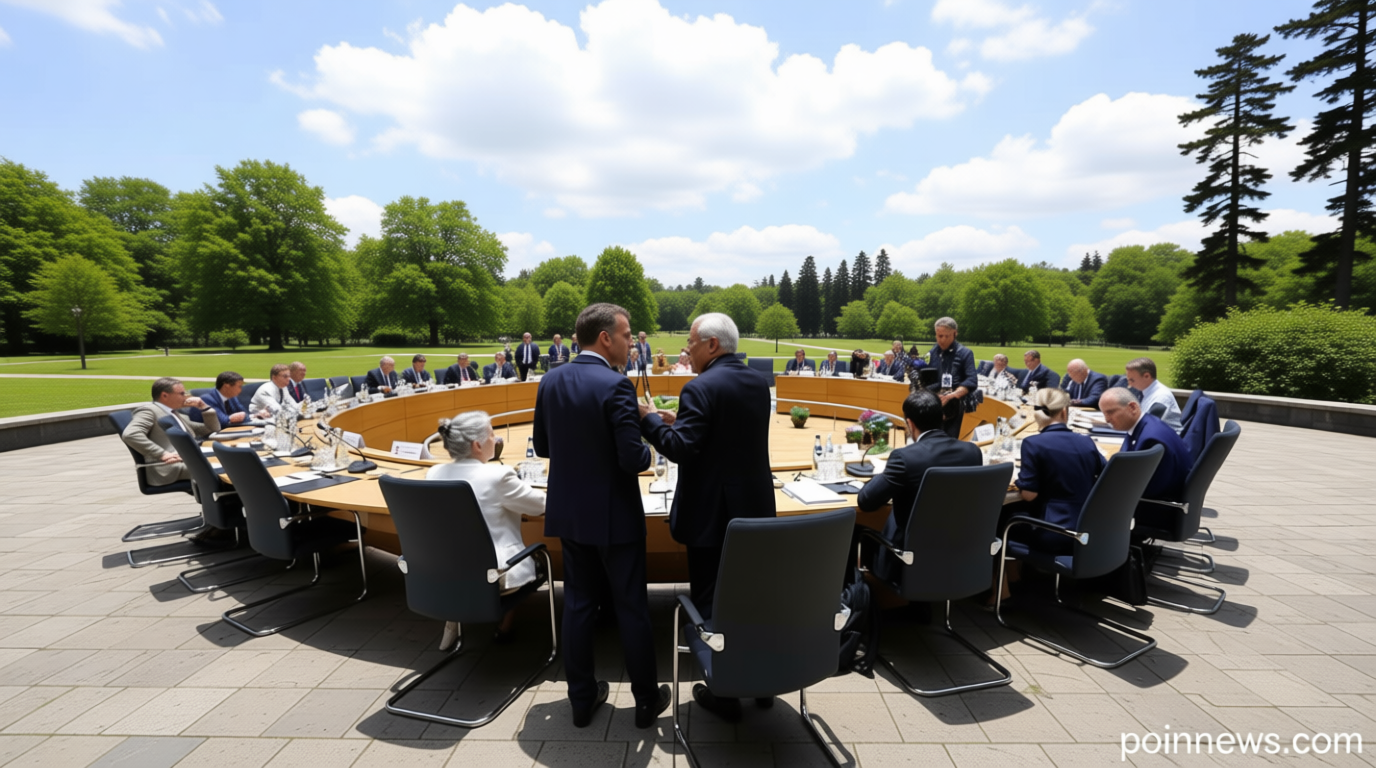
Poinews.com – In Brussels, EU leaders have set a target to finalize a preliminary budget deal for the bloc’s long-term financial plan covering 2028–2034 by October, as outlined in a draft statement released on Friday. The negotiations, which took place over Thursday and Friday, are entering a critical stage where member states are striving to align on how to fund the EU’s future priorities.
Negotiation Dynamics
Member states face a complex balancing act, with diverging interests shaping the discussion. Germany and the Netherlands, leading a coalition of net contributors, advocate for reducing the bloc’s total expenditure. Meanwhile, southern and eastern European nations fear that essential sectors like agriculture might lose funding in favor of increased defense spending.
“An ambitious and balanced package on new own resources by the October European Council” is also expected, another EU official said.
During a press conference on Friday, European Commission President Ursula von der Leyen and European Council President António Costa urged the bloc to finalize the agreement by year’s end, emphasizing the importance of resolving the financing component. The budget proposal, initially unveiled in July 2025, has now been handed to the incoming Irish presidency, which will oversee discussions starting 1 July.
Revenue and Spending Proposals
The debate over funding sources remains unresolved, with proposals centered on new revenue mechanisms. The European Parliament, a key co-legislator, has rejected a revised plan from Cyprus, which currently chairs the talks, calling it inadequate for agriculture and regional support. Cyprus suggested a €32.8 billion reduction to the €2 trillion budget, positioning it as a compromise between opposing factions.
Initially, the Commission proposed income from the Emissions Trading System, the Carbon Border Adjustment Mechanism, uncollected e-waste, tobacco excise duties, and a corporate tax. The Parliament later added further revenue ideas, including a gambling tax, a digital levy, and a crypto asset tax. However, the frugal countries—Germany, the Netherlands, Denmark, Sweden, Finland, and Austria—remain resistant to these measures, arguing they would unfairly burden wealthier nations.
Rolling Debt and Political Context
Italy, France, and Greece have proposed repaying NextGenerationEU funds through a debt reissuance mechanism, known as “rolling debt.” This plan is strongly contested by Germany, the Netherlands, and others who oppose new common borrowing. According to EU diplomats, the success of the rolling debt strategy hinges on the agreement reached regarding own resources.
The bloc aims to conclude the budget process before 2026 ends, to avoid extending talks into 2027—a year marked by major elections in France, Italy, and Poland. Any final agreement must secure unanimous backing from all 27 member states and approval from the European Parliament.