Replacing US military assets will cost Europeans €500bn, EU defence chief says
EU Defence Chief: Replacing US Military Assets Will Cost €500 Billion Replacing US military assets will cost - The European Union’s defence chief has

EU Defence Chief: Replacing US Military Assets Will Cost €500 Billion
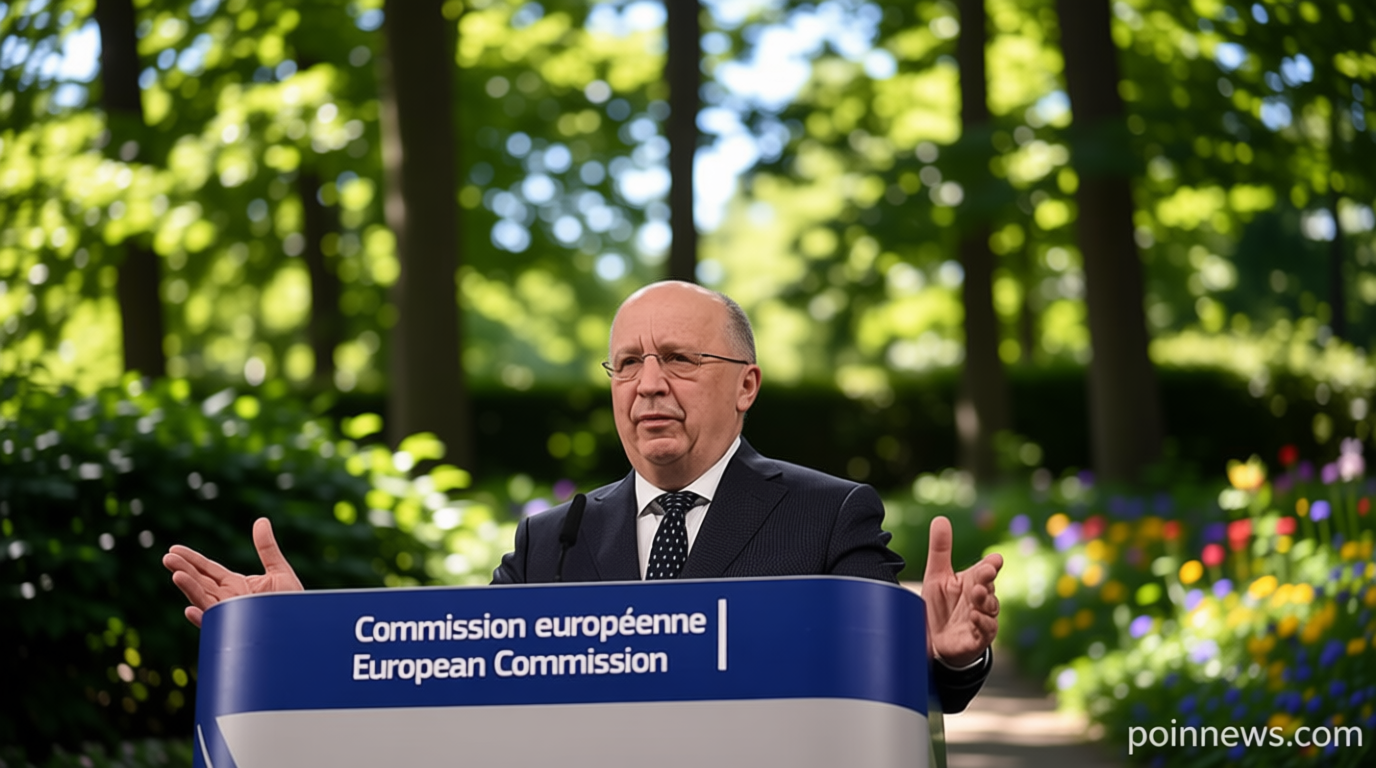
Poinews.com – The European Union’s defence chief has highlighted that replacing US military assets will cost Europeans an estimated €500 billion over the next decade, emphasizing the critical need for collective action. Speaking at a Brussels event, Andrius Kubilius stated that the gradual reduction of American military presence in Europe necessitates a substantial financial commitment to sustain and modernize European defense capabilities. This figure underscores the growing financial burden on member states to bridge the gap left by the United States, which has long been a key pillar of NATO’s security framework. Kubilius argued that without urgent measures, Europe risks becoming increasingly dependent on external forces, undermining its strategic autonomy.
The Strategic Implications of US Withdrawal
According to a recent analysis by the German Kiel Institute, the €500 billion investment would cover the development and acquisition of essential systems like air defense, reconnaissance, and strategic airlift. Kubilius reiterated that these projects are not just about maintaining military strength but also about securing long-term sovereignty. The report suggests that while the initial cost is steep, the investment could yield significant returns in terms of self-reliance and resilience. However, achieving this requires not only financial resources but also a unified approach across European nations to avoid fragmentation and inefficiency.
“We have big defence industrial challenges at the moment for the European Union,” Kubilius remarked. “German experts just recently calculated that it will cost around €500 billion for Europeans to build those strategic enablers and to replace American strategic enablers now located on the European continent.”
Europe’s Defense Challenges and Unity
The cost of replacing US military assets will be a defining test for Europe’s ability to consolidate its defense strategies. With the US withdrawing troops from Germany, the largest contingent in Europe, concerns have grown over the continent’s capacity to meet security demands without American support. Kubilius stressed that the EU must act decisively to avoid vulnerabilities, especially as tensions with Russia and other global powers persist. The commission has called for a shift in priorities, urging member states to focus on joint projects rather than fragmented national efforts.
“Significant progress toward sovereignty can be achieved within 3-5 years, and a high degree of autonomy can be reached in most areas within 5-10 years – provided these are pursued as a political priority through a concerted European effort,” the Kiel Institute paper argues.
Europe’s defense challenges extend beyond financial commitments. The loss of US military assets will require not only funding but also advancements in technology and industrial capacity. Kubilius pointed to the need for collaboration in research and development, as well as streamlined procurement processes to ensure efficiency. The report also notes that the success of this initiative depends on sustained political will, with the EU’s ability to maintain unity being a critical factor in its effectiveness.
Funding Mechanisms and Projected Outcomes
To address the cost of replacing US military assets, the European Commission has outlined strategies to support large-scale defense projects. The Security Action for Europe (SAFE) program, which offers €150 billion in loans, is seen as a vital tool in financing these efforts. Kubilius acknowledged that the abandonment of the Franco-German Future Combat Air System (FCAS) project has raised concerns, but he remains optimistic about the potential of future joint initiatives. The program aims to enhance European industrial capacity, ensuring that the bloc can produce advanced systems like drones and digital platforms independently.
“We need (a) big change of our policies and practices in defence now,” Kubilius said.
With eight European nations actively seeking support through SAFE, the program highlights the growing recognition of the need for pooled resources. The goal is to create a sustainable defense framework by 2030, should Russia escalate tensions and the US continue its strategic retreat. This timeline reflects the urgency of the situation, as the cost of replacing US military assets will likely increase without immediate action. The EU’s ability to deliver on these promises will be a key indicator of its commitment to long-term security.