These Gulf carriers are offering insurance to entice customers back to the Middle East
Gulf Carriers Offer Insurance to Attract Travelers to Middle East These Gulf carriers are offering insurance - The Middle East, a region long known for its

Gulf Carriers Offer Insurance to Attract Travelers to Middle East
Poinews.com – The Middle East, a region long known for its vibrant culture and breathtaking destinations, is now witnessing a strategic shift in the airline industry. In response to the recent geopolitical tensions that have dampened tourist footfall, several Gulf carriers are offering insurance packages designed to alleviate traveler concerns and restore confidence in the region. These measures aim to address the lingering fears that have kept many potential visitors away, as the conflict’s aftermath continues to shape the global travel landscape. By bundling insurance with flights, airlines like Etihad and Emirates are positioning themselves as more reliable options for those willing to take a calculated risk. The focus keyword These Gulf carriers are offering underscores a growing trend in the industry to adapt to shifting consumer priorities.
The Role of Travel Insurance in Post-Conflict Recovery
With the US-Israel strike on Iran triggering a significant drop in Middle Eastern tourism, airlines are stepping in to bridge the gap between safety concerns and travel desire. The conflict has led to a daily loss of €515 million for the tourism industry, according to initial reports, which has forced carriers to rethink their strategies. While the April ceasefire brought some relief and the US-Iran agreement has eased tensions, insurance remains a critical factor in encouraging visitors to return. Travelers are now more cautious, and governments like the UK’s Foreign, Commonwealth & Development Office (FCDO) have updated their advisories to reflect the evolving situation. France and Germany, however, still recommend non-essential travel, highlighting the varied perception of safety across different regions.
Travel insurance has become more than just a safety net—it’s a marketing tool. Airlines are now integrating insurance into their offerings to create a sense of security. This approach is particularly effective in a market where trust in the region’s stability is still being rebuilt. For instance, Etihad Airways, based in Abu Dhabi, has introduced a unique policy that provides free medical coverage for up to 15 days. This not only caters to the immediate health needs of travelers but also signals the airline’s commitment to mitigating risks. Such initiatives are part of a broader effort to reassure customers that their trips are protected against unforeseen circumstances.
Etihad Airways’ Free Medical Coverage: A Bold Move
Etihad Airways, one of the leading airlines in the UAE, has taken a proactive stance by launching a free medical travel insurance initiative. This offer, valid from July to December 2026, ensures that international travelers receive coverage for health-related emergencies during their stays. The policy extends to passengers participating in Etihad’s stopover program, offering additional protection for those who plan to stay longer. This move aligns with the airline’s broader strategy to position the Middle East as a safe and attractive destination. By providing medical insurance at no extra cost, Etihad is addressing a key concern for travelers and differentiating itself in a competitive market. The focus keyword These Gulf carriers are offering is central to this strategy, as it highlights the collective efforts of the region’s airlines to revive the tourism sector.
Etihad’s initiative is particularly noteworthy because it targets a demographic that may be hesitant to travel due to fears of conflict-related incidents. Medical emergencies, whether due to local health crises or injuries from the conflict, can be a major deterrent for tourists. By covering these risks, the airline is effectively reducing the perceived cost of travel. Additionally, the policy includes 24/7 support services, which further enhance the customer experience. This comprehensive approach demonstrates how insurance can be leveraged as a selling point, making the Middle East more appealing to those who prioritize safety and reliability.
Emirates’ Optional Insurance: Flexibility and Value
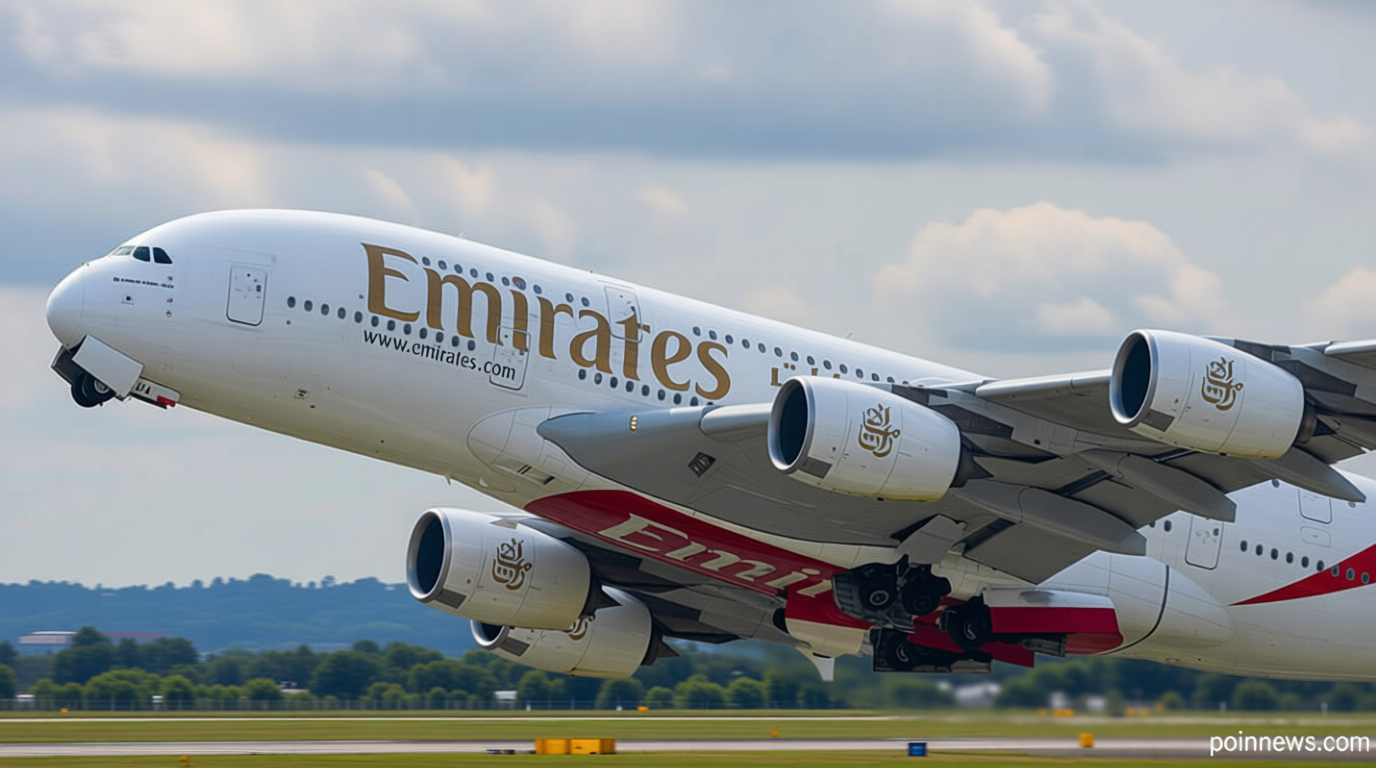
Emirates, operating from Dubai, has also joined the trend by providing optional travel insurance for an additional fee. This policy is available on all bookings made via the airline’s website and includes coverage for rebooking flights at no cost in the event of conflict-related cancellations. Travelers can also extend their trip by up to 30 days if departure is delayed, offering a buffer against uncertainty. Medical expenses linked to the conflict are capped at US$25,000 (€21,800), ensuring financial protection while keeping the cost of insurance manageable. The focus keyword These Gulf carriers are offering is evident here, as Emirates’ approach mirrors that of other Gulf carriers in creating a safer travel environment.
Emirates’ insurance package is designed to be flexible, allowing travelers to choose the level of coverage that suits their needs. This adaptability is crucial in a market where demand fluctuates based on regional stability. The airline has also emphasized that its insurance includes standard benefits such as trip cancellation and baggage compensation, which are essential for most travelers. By bundling these features with the conflict-specific protections, Emirates is addressing both immediate and long-term concerns. This strategy not only attracts a wider audience but also reinforces the region’s appeal as a destination that prioritizes customer well-being.
As the Middle East continues to navigate the aftermath of the conflict, the insurance offerings from Gulf carriers are becoming a defining aspect of their marketing. These policies are not just about financial security; they also serve as a psychological reassurance for travelers. With the tourism industry’s recovery dependent on consumer confidence, airlines are investing in insurance to mitigate risks and encourage bookings. This approach is likely to have a ripple effect, influencing other regions to adopt similar strategies. The focus keyword These Gulf carriers are offering remains at the heart of this initiative, showcasing how the industry is adapting to meet the demands of a cautious yet curious traveler base.