US and UK ease Cyprus travel advice: boost for tourism
US and UK ease Cyprus travel advice: boost for tourism US and UK ease Cyprus travel - Following a period of heightened geopolitical tension, the United States

US and UK ease Cyprus travel advice: boost for tourism
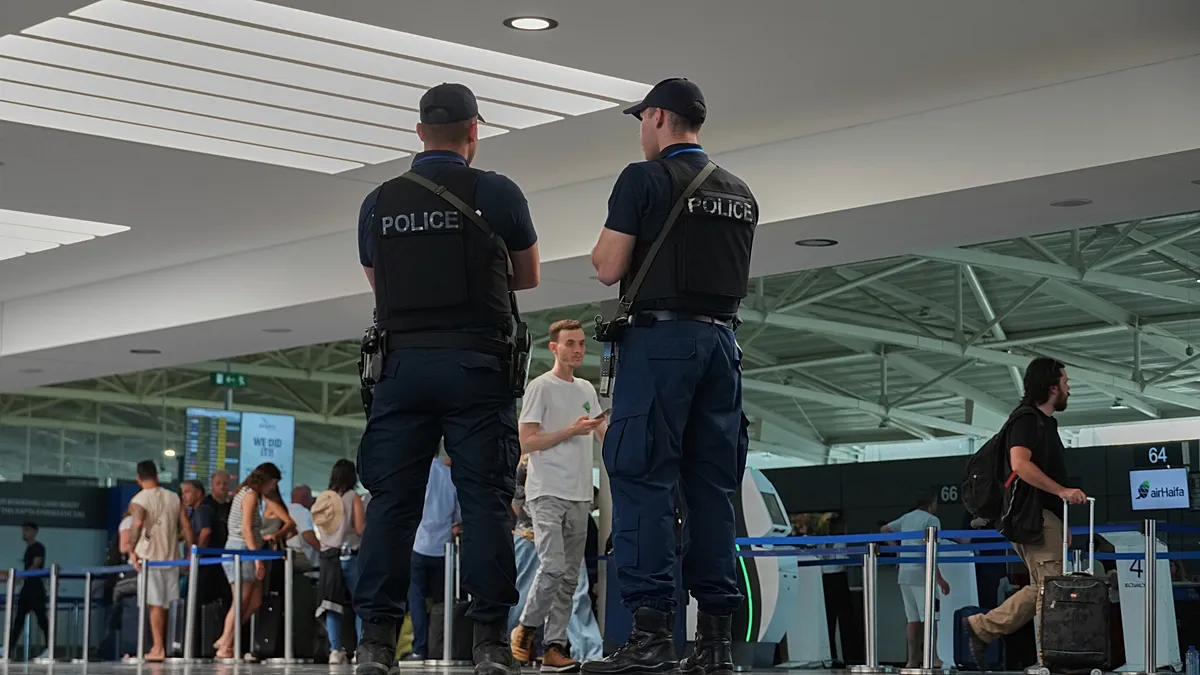
Poinews.com – Following a period of heightened geopolitical tension, the United States and the United Kingdom have recently revised their travel guidance for Cyprus, signaling a positive shift for the island’s tourism sector. The update comes after a series of events that initially raised concerns about the safety of visitors to the region, including the escalation of hostilities between the US and Iran, as well as drone strikes targeting a British military base in Akrotiri. These incidents, which unfolded in early June 2026, prompted both nations to issue travel advisories that temporarily affected the flow of tourists to Cyprus.
At the height of the crisis, Cyprus was placed under a special alert system by the UK Foreign Office, joining over 17 other Middle Eastern and North African destinations in a category marked by increased risk due to regional instability. The US, meanwhile, elevated its travel advisory to a higher level, advising citizens to exercise caution when visiting the island. The changes were part of a broader reassessment of global travel risks, as both governments sought to balance security concerns with the need to support international travel.
However, the latest revisions indicate a more optimistic outlook. The US has reverted Cyprus to its standard Level 1 travel advisory, which signifies minimal risk and recommends routine precautions. This decision follows a period of relative calm in the US-Iran conflict and the absence of further attacks on the British base in Akrotiri. The UK has also adjusted its guidance, removing emergency warnings that had been in place since the outbreak of tensions in the Middle East. Now, Cyprus is listed among destinations with no specific travel restrictions, while the risk level for the island has been lowered to reflect improved conditions.
The UK Foreign Office’s updated statement emphasizes that the revised guidance is based on a thorough evaluation of the current situation. “Cyprus remains a safe and welcoming destination for British travelers, with no ongoing threats that justify additional caution,” the office noted. This clarification has already begun to resonate with the travel industry, as tourism operators and airlines report a gradual increase in bookings and inquiries. Analysts suggest that the removal of emergency alerts has restored confidence among potential visitors, particularly those from the UK and US, who had previously hesitated to plan trips to the island.
Reassessment of Regional Stability
The decision to ease travel restrictions was not made in isolation. Officials from both nations highlighted the importance of stable regional dynamics in their reassessment. The initial advisories were triggered by the intersection of the US-Iran war and the drone attacks on the British base, which were seen as a direct consequence of heightened military activity in the area. While the conflict between the US and Iran continued to cast a shadow over the region, the absence of further escalations in Cyprus allowed for a more favorable risk evaluation.
Additionally, the UK’s revision of its travel advice reflects a broader trend of de-escalation in the Middle East. With diplomatic channels re-opened and military operations scaled back, the Foreign Office determined that the immediate threat to Cyprus had diminished. “The situation in the region has stabilized, and Cyprus is no longer at the center of geopolitical developments that could disrupt travel,” a spokesperson explained. This statement aligns with the latest analysis from the US State Department, which also concluded that the island’s security situation had improved sufficiently to warrant a return to baseline travel conditions.
Despite the easing of advisories, both governments have reiterated that travelers should still follow standard safety protocols. These include staying informed about local news, avoiding crowded areas during peak times, and being prepared for unexpected changes in the political landscape. The UK’s updated guidance also acknowledges the importance of air travel to Cyprus, noting that the island remains well-connected to major international hubs, with no reported disruptions to flight schedules.
For Cyprus, the reinstatement of favorable travel advice represents a critical opportunity to recover from a period of uncertainty. The island’s tourism industry, which contributes significantly to the national economy, has long been a cornerstone of its economic stability. With over 1.8 million visitors recorded in 2025, the sector was poised for growth before the recent advisories. The new guidance is expected to stimulate renewed interest, particularly as the summer season approaches and travel demand typically peaks during this period.
Industry Response and Future Outlook
Travel agencies and hoteliers in Cyprus have welcomed the changes, with many expressing confidence in the sector’s recovery. “This update is a relief for our business,” said a spokesperson from a major Cypriot travel firm. “We’ve seen a steady increase in bookings since the advisories were first issued, and the removal of emergency warnings should help us reach pre-crisis levels.” The hospitality sector, which employs nearly 20% of the workforce, is now optimistic about the return of international visitors, especially from the UK and US, which together account for over half of all tourists.
Moreover, the decision to ease travel restrictions has sparked discussions about the long-term implications for Cyprus’s tourism strategy. With the UK and US playing a pivotal role in the island’s visitor numbers, the governments’ support is crucial. Analysts suggest that the move could encourage more sustained investment in infrastructure, marketing, and visitor services. “The government has a responsibility to ensure that travelers feel safe and welcome,” said a Cypriot tourism official. “This step will help us regain the trust of our key markets and build on the island’s reputation as a reliable destination.”
While the immediate outlook is positive, experts caution that the situation remains fluid. The Middle East is still a volatile region, and any new developments could influence future travel advisories. Nevertheless, the current revision marks a significant milestone for Cyprus, as it allows the island to focus on its strengths—such as its Mediterranean climate, cultural heritage, and vibrant nightlife—without the shadow of geopolitical unrest. The tourism industry, now riding a wave of renewed confidence, is preparing to capitalize on this opportunity, with plans to launch promotional campaigns targeting both traditional and emerging markets.
In summary, the eased travel advice from the US and UK has provided a much-needed boost to Cyprus’s tourism sector. By addressing the concerns that had previously deterred travelers, the governments have taken a step toward restoring the island’s appeal as a top destination. As the global travel landscape continues to evolve, Cyprus’s ability to adapt and maintain its position as a safe, attractive, and accessible location will be key to its future success. With the latest updates in place, the island is now positioned to welcome visitors with open arms, ensuring a stronger recovery in the months ahead.
While the removal of emergency warnings has been a welcome change, it is important to note that the situation in the Middle East remains complex. The UK Foreign Office has emphasized that its guidance is not a guarantee of total safety but a reflection of the current risk assessment. “Travelers should remain vigilant and stay updated on local conditions,” the office added. This balanced approach underscores the ongoing relationship between regional stability and the travel industry, where even minor shifts in political dynamics can have a significant impact.
As the world becomes increasingly interconnected, the ability of countries to respond swiftly to crises is vital for maintaining economic resilience. Cyprus’s experience with the recent travel advisories highlights the importance of clear communication and timely adjustments in the face of uncertainty. The cooperation between the US, UK, and Cyprus in revising these guidelines also demonstrates the value of diplomatic engagement in supporting global tourism. Moving forward, the island’s tourism sector will likely continue to monitor developments closely, ensuring that it is prepared to adapt to any new challenges or opportunities that arise.