‘I don’t trust any side to stop anything’ – former Lebanese Deputy Prime Minister
'I don't trust any side to stop anything' - former Lebanese Deputy Prime Minister Lebanese Government's Stance on Ceasefire Talks I don t trust any side - On

‘I don’t trust any side to stop anything’ – former Lebanese Deputy Prime Minister
Lebanese Government’s Stance on Ceasefire Talks
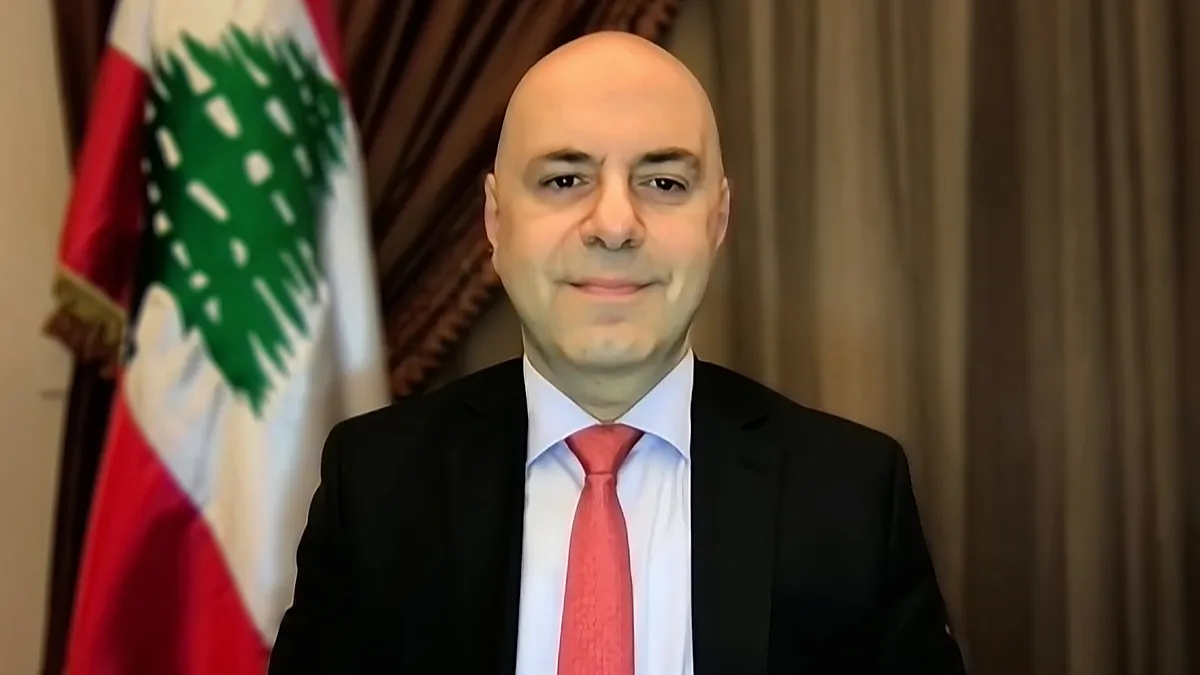
Poinews.com – On June 2, 2026, Ghassan Hasbani, a former Lebanese Deputy Prime Minister, addressed the ongoing conflict during a live broadcast from Beirut. His remarks highlighted the temporary pause in Israeli threats targeting Hezbollah’s strongholds in the southern suburbs of the capital. This pause, Hasbani noted, resulted from recent discussions between the Lebanese government and the United States. However, he emphasized that the situation remains fragile, and a complete ceasefire is far from certain.
Hasbani’s Skepticism About Ceasefire Sustainability
Hasbani described the current ceasefire as a narrow agreement, limited to avoiding attacks on the Beirut suburbs. “The impression here on the ground is that the ceasefire would probably be restricted to not targeting the southern areas of the capital,” he said. This statement underscores the cautious optimism surrounding the temporary truce. Yet, he quickly tempered this hope by expressing doubts about both parties’ commitment to lasting peace. “I don’t trust any side to stop anything,” Hasbani added, revealing his skepticism about the ability of either Israel or Hezbollah to end the conflict without external pressure.
The former official pointed out that the Lebanese government is struggling to assert authority over the situation. He described Hezbollah as a “militarised force operating beyond the control of the Lebanese state,” highlighting the group’s significant influence and the challenges it poses to national governance. According to Hasbani, Hezbollah’s actions are heavily guided by Iran, which has been a key player in the region’s geopolitical dynamics. This connection complicates efforts to achieve a full ceasefire, as Iran’s strategic interests may drive continued hostilities.
Lebanon’s Broader Challenges and State Control
Hasbani’s comments also touched on the broader implications of the conflict for Lebanon. He noted that the Lebanese state itself is not at war with Israel but is instead focused on “de-escalating tensions and preventing further destruction within the country.” This strategy reflects the government’s dual challenge of maintaining stability while managing the threat posed by armed groups like Hezbollah. The southern suburbs of Beirut, which have become a focal point of the conflict, remain a critical area for the government to reclaim control.
The former deputy prime minister stressed the importance of territorial integrity for Lebanon’s future. “What we need to have is stability in Lebanon and the Lebanese government in full control of its territory,” he reiterated. This sentiment aligns with the government’s efforts to strengthen its administrative reach in regions where armed groups operate independently. Hasbani argued that without such control, Lebanon risks becoming a battleground for external interests, with the state unable to dictate the pace or direction of the conflict.
Historical Context and Current Tensions
Hasbani’s analysis provides insight into the complex web of alliances and rivalries shaping Lebanon’s political landscape. He drew attention to the historical relationship between Hezbollah and the Israeli military, noting that the group has long been a key actor in the region’s conflicts. The current pause in hostilities, he suggested, is a strategic move by both sides to reassess their positions and potentially secure a more permanent agreement.
Despite the temporary truce, Hasbani warned that the situation remains volatile. He highlighted the ongoing presence of Hezbollah in the southern suburbs, which he described as a symbol of the group’s military dominance. “The ceasefire is more about avoiding immediate escalation than achieving a long-term resolution,” he said. This perspective underscores the difficulty of transitioning from a temporary pause to a sustained peace, particularly given the deep-seated mistrust between the conflicting parties.
International Involvement and Regional Implications
The role of the United States in the recent talks was a central point in Hasbani’s address. He acknowledged the country’s efforts to mediate between Israel and Hezbollah, but questioned whether these interventions would be enough to prevent future clashes. “The U.S. has shown willingness to engage, but its influence is limited without broader regional cooperation,” he stated. This observation reflects the challenges of diplomatic solutions in a conflict involving multiple stakeholders, including Iran and Syria, which have historically played pivotal roles.
Hasbani also pointed to the impact of the conflict on Lebanon’s domestic policies. He argued that the government must balance its relationships with regional powers while addressing the needs of its citizens. “The people of Lebanon are bearing the brunt of the fighting, and the government needs to act decisively to protect them,” he emphasized. This call to action highlights the urgency of resolving the crisis and the potential consequences of inaction.
Looking Ahead: The Path to Stability
As the conflict enters a new phase, Hasbani’s remarks offer a glimpse into the challenges ahead. He called for a comprehensive approach that includes not only military de-escalation but also political reforms to strengthen the Lebanese state. “Without a unified government and a clear strategy, we may find ourselves in a cycle of violence that is difficult to break,” he warned. This vision for stability contrasts with the current state of affairs, where the government is often seen as a mediator rather than an active force in conflict resolution.
Hasbani’s experience as a former deputy prime minister gives him a unique perspective on Lebanon’s governance. He highlighted the need for institutional reforms to ensure that the state can effectively manage its security and territorial disputes. “The government must regain its authority over all regions, including those where Hezbollah operates,” he stated. This assertion reinforces the idea that the conflict is not just a military issue but also a political one, requiring coordinated efforts to restore national cohesion.
In conclusion, Hasbani’s statements reflect a cautious yet determined outlook on Lebanon’s future. While the recent talks have achieved a temporary reprieve, he remains skeptical about their long-term impact. His emphasis on stability and state control underscores the importance of addressing the root causes of the conflict. As the situation evolves, the role of international actors and the internal dynamics of the Lebanese government will be critical in determining the path forward. The southern suburbs of Beirut, a symbol of the current tensions, may soon serve as a testing ground for the broader stability the country seeks to achieve.