Global Beatles Day: Who was the walrus?
Global Beatles Day: The Enigma of the Walrus Global Beatles Day - This year marks the debut of Global Beatles Day, an event officially endorsed by The Beatles

Global Beatles Day: The Enigma of the Walrus
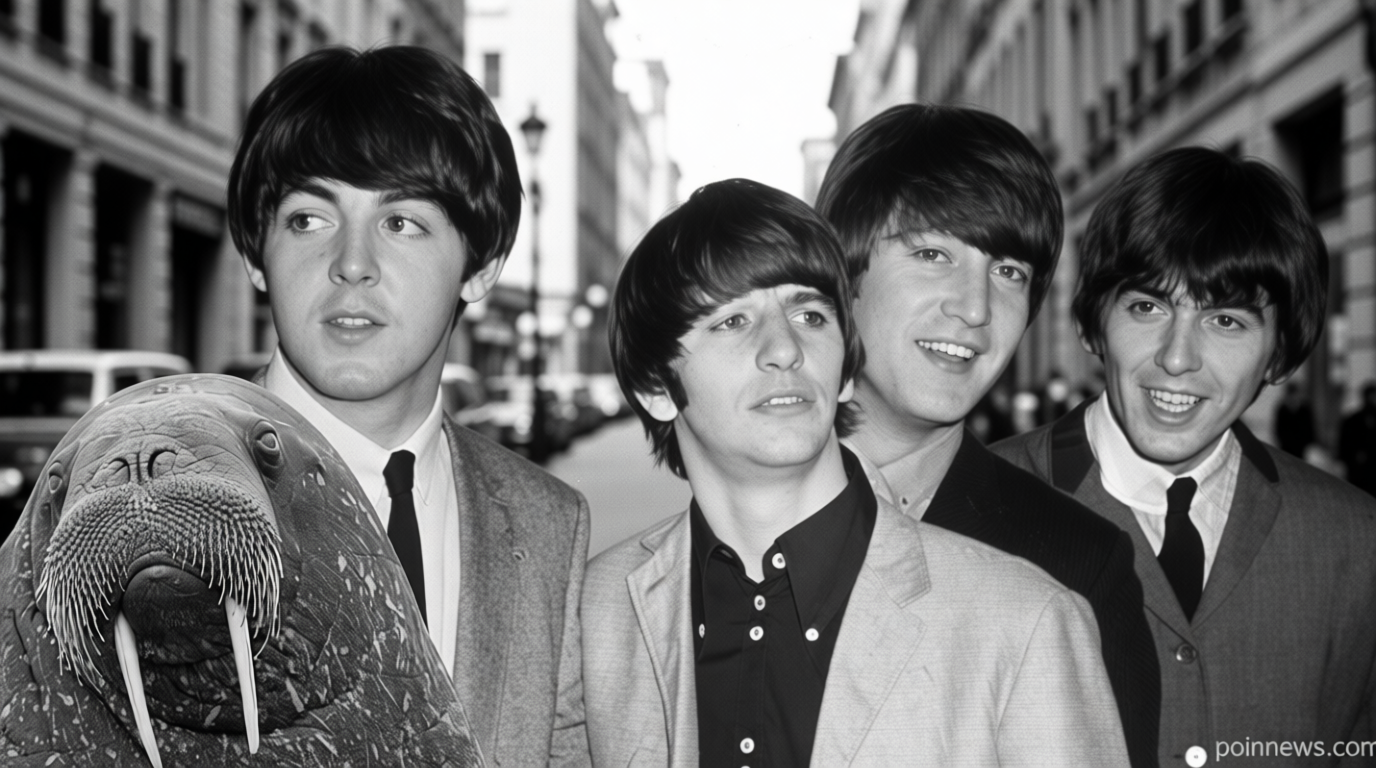
Poinews.com – This year marks the debut of Global Beatles Day, an event officially endorsed by The Beatles and Apple Corps Ltd. On 25 June 1967, the band made history by performing the first international satellite broadcast of their iconic track “All You Need Is Love” at London’s Abbey Road Studios. To commemorate this milestone, Euronews Culture delves into one of the most perplexing riddles linked to the group: the identity of the walrus in their 1967 song “I Am The Walrus.”
A Legacy of Surrealism
“I Am The Walrus” was crafted by John Lennon, who drew from Lewis Carroll’s 1871 poem “The Walrus and the Carpenter” and two rumored LSD experiences. Initially, Lennon seemed dismayed by the poem’s portrayal of the walrus as a deceitful figure. Yet, he remained unbothered by the psychedelic effects of the drug. The track, released on the soundtrack of their TV film *Magical Mystery Tour*, also sparked controversy when the BBC censored its final lines: “Yellow matter custard / Dripping from a dead dog’s eye / Crabalocker fishwife, pornographic priestess / Boy, you’ve been a naughty girl / You let your knickers down.”
Layers of Meaning
The song is a treasure trove of whimsical and abstract imagery, featuring references to “sitting on a corn flake,” “the egg man,” and “elementary penguin singing.” It also nods to Edgar Allan Poe, blending elements of Indian philosophy and critiques of religious fervor, while some interpreted it as a jab at capitalism. However, Lennon’s true aim was to baffle listeners. He penned it after a teacher began assigning deep meanings to Beatles lyrics, prompting him to craft a deliberately confusing piece.
Clues and Confusion
A hint appears later in the band’s discography. On their 1968 double album *The Beatles* (the “White Album”), the track “Glass Onion” contains the line: “The walrus was Paul.” This clue was further complicated in 1970 with Lennon’s solo album *John Lennon / Plastic Ono Band*, where the melancholic song “God” includes: “I was the walrus / But now I’m John.”
“The curtains represent his immense depression and his lack of will to carry on,” asserts the teacher. What the author meant: “The curtains were fucking blue.”
Ultimately, the question of who the walrus was is secondary. The song’s charm lies in its intentional absurdity, offering no fixed meaning. It’s a playful nod to the freedom of interpreting lyrics without constraint. As Lennon’s creation, it invites listeners to embrace the surreal and abandon the need for rigid explanations. Happy Global Beatles Day—watch the video at the top of this article to explore how fans still connect with the Fab Four’s timeless legacy.