Jihadists reportedly urge attacks during protests in Portugal and Spain
Security authorities in Portugal and Spain are monitoring warnings that jihadist networks may be seeking to exploit large demonstrations taking place across

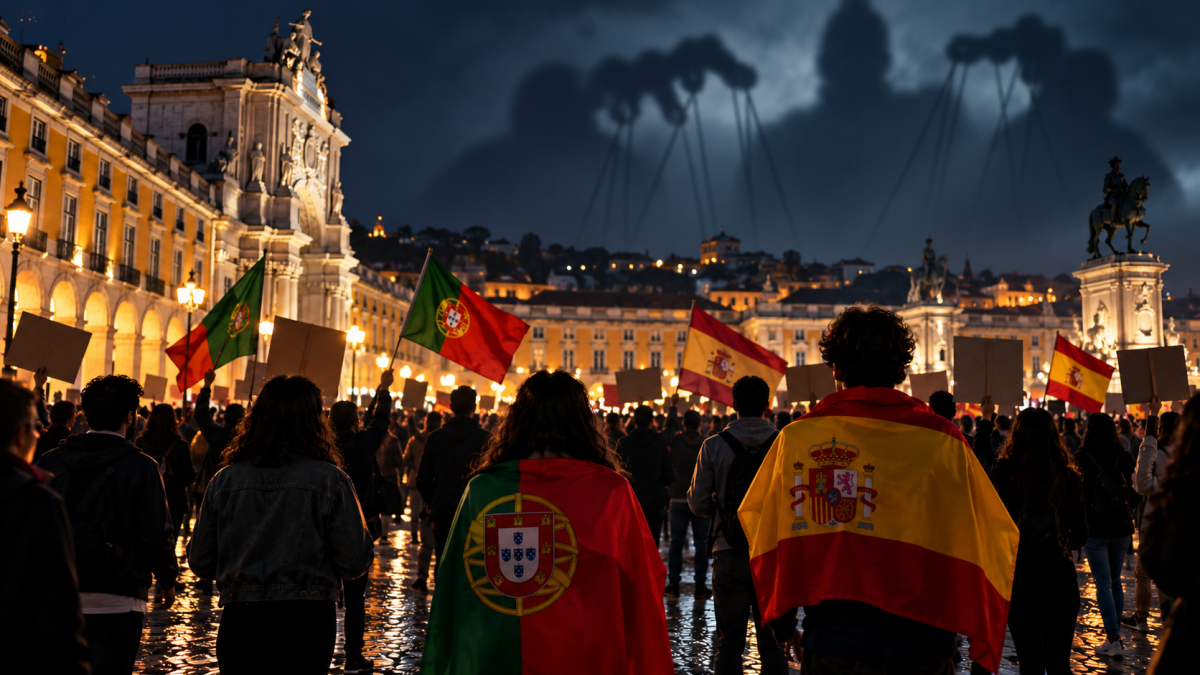
Table of Contents
Portuguese and Spanish authorities monitor extremist threats linked to European protests
Poinews.com – Security authorities in Portugal and Spain are monitoring warnings that jihadist networks may be seeking to exploit large demonstrations taking place across several European countries. The alerts concern possible attacks targeting both police personnel and people attending protests.
In Portugal, the Internal Security System (SSI) said its secretary-general was following the situation in coordination with the relevant bodies. The concern comes as demonstrations and temporary camps continue in major cities, with housing costs and broader affordability pressures among the central grievances voiced by protesters.
The Secretary-General of the Internal Security System is closely monitoring the situation referred to [jihadist calls for attacks on police officers and demonstrators] within her remit and in constant liaison with the relevant authorities.
Demonstrations span several countries
The security alert has emerged during weeks of protests in Portugal, Spain, France and Italy. While the protests have not followed an identical pattern in every country, crowds have gathered around concerns including the rising cost of living and access to housing.
In Lisbon, Porto and Madrid, daily gatherings and camp-outs in central squares have formed a visible part of the movement. These actions have largely remained focused on social and economic demands, though developments elsewhere in Europe have highlighted the difficulties authorities face when large crowds, isolated confrontations and public disorder occur at the same time.
France experienced the most serious violence last weekend, when demonstrations were estimated to have drawn more than 800,000 people. Fires caused major damage to buildings including Limoges City Hall and the tourism office in Lyon. Italy also recorded violent incidents, particularly in Milan, where arson attacks were reported.
Such events can place police, emergency services and peaceful demonstrators under added pressure. The latest warnings underline that security concerns extend beyond clashes between protesters and police, particularly when extremist actors attempt to use a tense public setting for unrelated violent objectives.
Online messages drew attention from Spanish officials
Spanish authorities identified messages posted on a website alleged to have links to the Islamic State group. The material encouraged militants to exploit mass demonstrations and street confrontations, with police officers and demonstrators described as potential targets.
An internal document circulated by Spain’s Cybersecurity Coordination Office contained the messages, which presented crowded protests as an opportunity for attacks. The content also promoted extremist violence and invoked “martyrdom,” including references to suicide bombings and vehicle-ramming attacks.
Officials have not suggested that every protest presents an immediate threat. Rather, the warning reflects the risk that extremist propaganda can seek to capitalize on moments when large groups are concentrated in public spaces and security forces are already managing disorder or disruption.
Security focus extends to protesters as well as police
The warning is notable because it identifies demonstrators themselves as possible victims. Participants in large public gatherings may be exposed to risks that have little to do with the cause they support, especially when groups promoting violence attempt to exploit crowded and emotionally charged situations.
For authorities, protecting public safety in this context requires maintaining space for lawful assembly while responding to possible threats. It also involves coordination between policing, intelligence, cybersecurity and emergency services, since extremist messaging may emerge online before there is any visible sign of a threat on the ground.
Portugal’s SSI is responsible for coordinating internal-security matters and has emphasized its contact with the competent authorities. Its statement did not provide details of specific operational measures, an approach that is common when security agencies are assessing potential threats.
Public vigilance without panic
The reports serve as a reminder that people attending demonstrations should remain attentive to official information, follow instructions from organizers and public authorities, and avoid spreading unverified claims online. Suspicious activity or credible threats should be passed to emergency services or police rather than amplified through social media.
Peaceful protesters, nearby residents and businesses can also be affected when violence breaks out around mass events. Clear communication, designated routes, accessible emergency exits and rapid reporting channels can help reduce confusion when conditions change quickly.
The protests in Portugal and Spain continue to reflect domestic frustration over living costs and housing, while the security concerns surrounding them illustrate a separate challenge. Authorities are now watching for any indication that extremist groups may attempt to turn public unrest into an opening for violence against the very communities gathered in city streets.
Related Reading
Frequently Asked Questions
What is Jihadists reportedly urge attacks during protests?
Jihadists reportedly urge attacks during protests is the main topic of this guide. The article explains the context, practical details, and next steps readers should understand.
Why does Jihadists reportedly urge attacks during protests matter?
Jihadists reportedly urge attacks during protests matters because readers are looking for a useful answer, not just a short summary. Good content should match search intent and help them decide what to do next.