Explosion at coal mine in Turkey kills two, leaves one trapped
At least two miners have died after an explosion underground at a coal mine in Gelik, a town in northwestern Turkey. Five other workers were injured

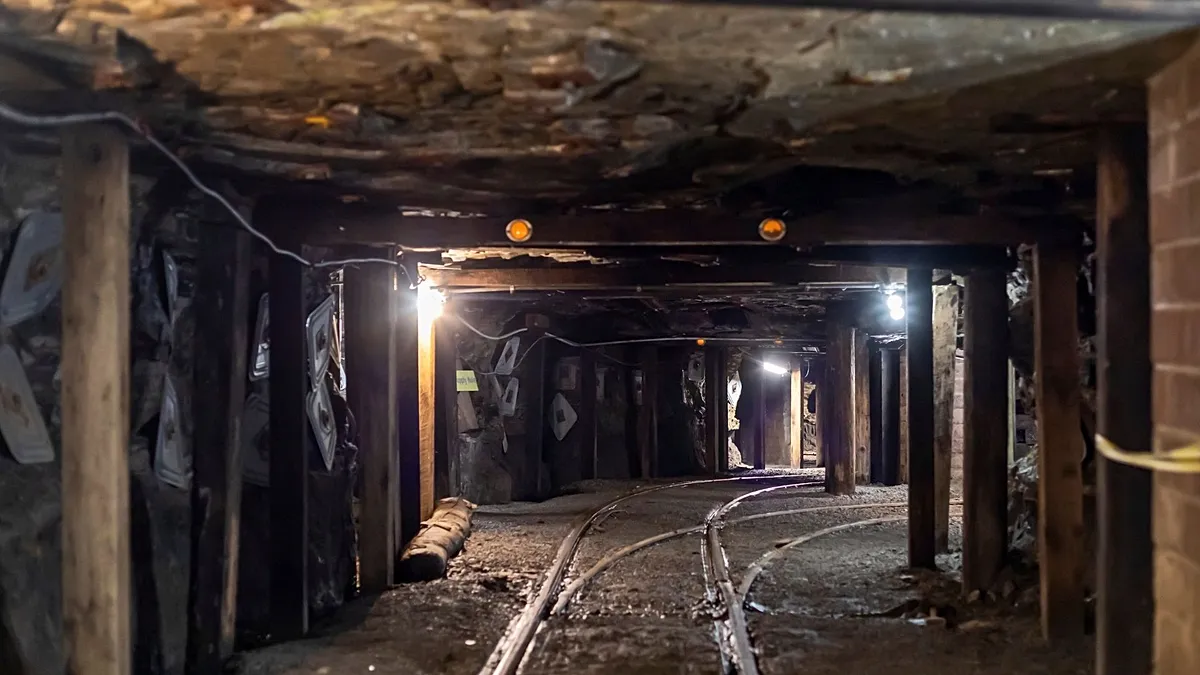
Table of Contents
Two Dead After Gas Explosion at Coal Mine in Northwestern Turkey
Poinews.com – At least two miners have died after an explosion underground at a coal mine in Gelik, a town in northwestern Turkey. Five other workers were injured, including two with severe burns, while rescue teams remained focused on bringing out one miner who was still inside the mine.
The blast happened at about 10 a.m. on Friday and was linked to firedamp, a flammable gas that can accumulate in mine workings. The incident quickly prompted a large emergency response, with teams from Turkey’s Disaster and Emergency Management Authority, known as AFAD, joining medical personnel and fire crews at the site.
Eight people were in the tunnel when the explosion occurred. Seven were brought out, though two later died after reaching hospital.
“Eight people were in the tunnel, seven were rescued. Unfortunately, two of our miners died after being taken to hospital,” Zonguldak governor Osman Hacibektasoglu said.
Rescue Effort Continues for Trapped Worker
Authorities said one miner remained underground but had been contacted. Rescue personnel were working to reach him and remove him from the mine safely.
“One of the miners is still inside the mine. We have made contact with him and are trying to get him out,” Hacibektasoglu said.
Two of the workers who were rescued suffered burns and were in critical condition. One had been transferred to Ankara for further treatment, while arrangements were being made to move the second seriously injured miner there as well.
The mine is privately operated by Demir Madencilik. An investigation has been launched to establish the precise circumstances of the explosion and determine how firedamp ignited inside the tunnel.
Why Firedamp Is a Major Underground Hazard
Firedamp is a term used for flammable gases encountered in coal mines, most notably methane. In enclosed underground spaces, such gases can pose an immediate danger if they build up and meet an ignition source. A blast can also create secondary risks for miners, including smoke, heat, damaged tunnels and restricted routes out of the mine.
The immediate priority after an incident of this kind is locating all workers, making underground areas safe enough for rescuers to enter and ensuring injured people receive urgent care. The confirmed contact with the miner still inside offered an important sign for the continuing operation, though authorities had not said when he might be brought to the surface.
Investigators will examine the events leading up to the explosion as they seek to identify its exact cause. Their work is expected to focus on conditions in the mine at the time of the blast, including the presence of gas and the sequence of events that followed the emergency call.
Renewed Focus on Mine Safety
The Gelik explosion has again drawn attention to the dangers faced by people working in Turkey’s mining sector. Fatal accidents in mines have occurred repeatedly in the country, where underground work can expose employees to the threat of collapses, gas, fires and suffocation.
Earlier in October, five people were killed when a coal mine collapsed in Soma, in the western province of Manisa. That incident, coming shortly before the Gelik explosion, underscored the continuing human cost of serious accidents at mining sites.
The independent Worker Health and Work Safety Assembly, known as ISIG, said 1,267 miners died in workplace accidents between 2013 and 2025. Cave-ins and suffocation accounted for many of those deaths. The figure places the latest emergency within a broader record of workplace fatalities involving miners over more than a decade.
For the families of workers at Gelik, the immediate concern remains the trapped miner and the condition of those receiving treatment. The deaths of two miners have already turned the incident into another grave loss for the local community and the industry.
Authorities have not released further details on the identities of the victims or the condition of the remaining injured workers. As the rescue operation and inquiry proceed, attention will remain on whether all personnel can be accounted for and what evidence emerges about the explosion underground.
The case also highlights the importance of rapid emergency coordination when a mine accident occurs. AFAD teams, health workers and firefighters were dispatched after the alert was raised, while officials sought to organize specialist treatment for the two miners with the most serious burns. The response now combines rescue work, medical care and an effort to establish what happened in the tunnel.
With one worker still awaiting extraction, the situation at the mine remains active. Officials face the urgent task of completing the rescue while preserving the information needed for a full examination of the blast. The findings of that investigation will be central to understanding the fatal incident in Gelik.
Related Reading
Frequently Asked Questions
What is Explosion at coal mine in Turkey?
Explosion at coal mine in Turkey is the main topic of this guide. The article explains the context, practical details, and next steps readers should understand.
Why does Explosion at coal mine in Turkey matter?
Explosion at coal mine in Turkey matters because readers are looking for a useful answer, not just a short summary. Good content should match search intent and help them decide what to do next.