US President Donald Trump threatens 100% tariffs if Europe implements digital services tax
US President Donald Trump threatens 100 tariffs -

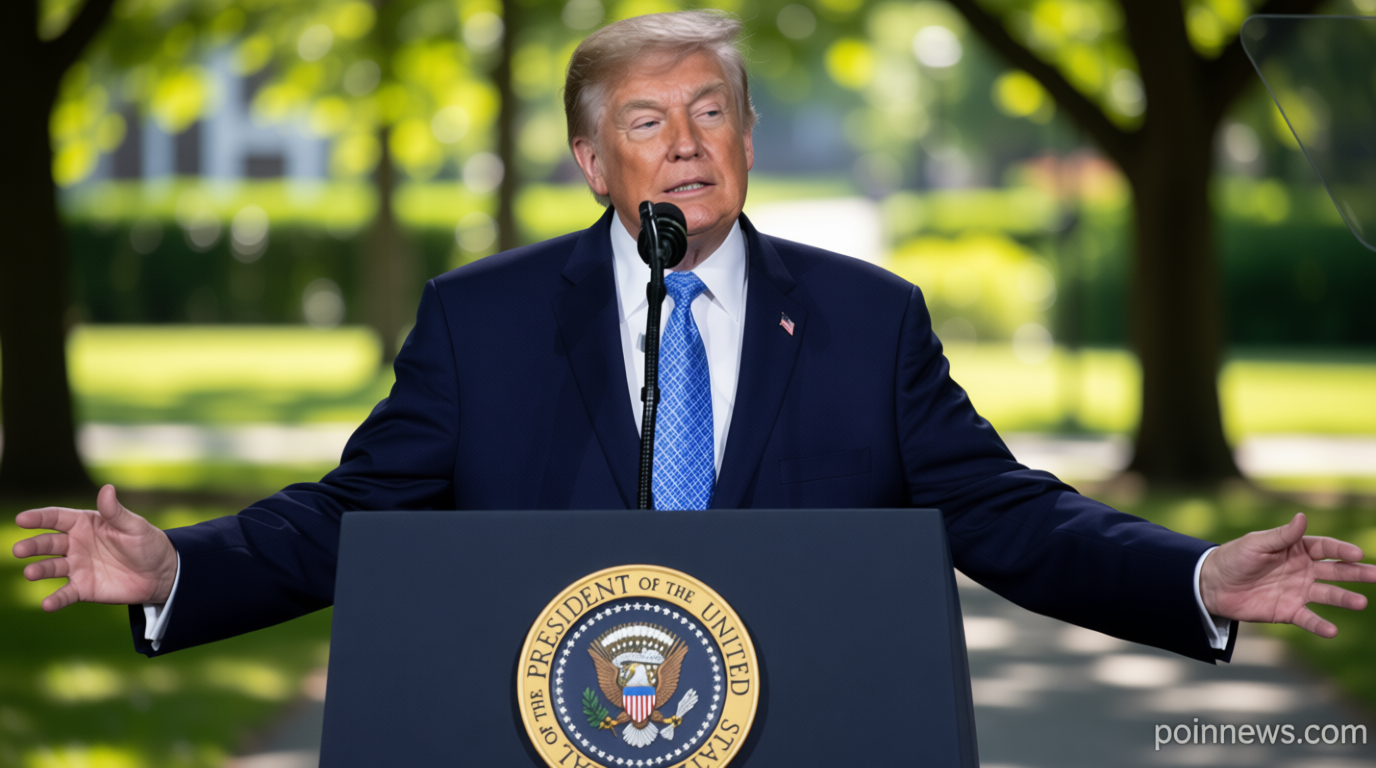
US President Donald Trump Threatens 100% Tariffs on Digital Services Tax
Trade Alert Targets European Digital Tax Plans
Poinews.com – US President Donald Trump has escalated his trade strategy by warning that 100% tariffs could be imposed on goods from any country implementing a digital services tax. This announcement, made on Friday, singles out Europe as a prime target for his economic pressure, accusing the continent of rushing to tax American technology firms. Trump’s approach reflects a recurring pattern of leveraging tariffs to counter policies he views as harmful to U.S. industries, particularly in the digital sector. The threat comes amid ongoing disputes over how global tech giants are taxed, with the U.S. leader emphasizing that such levies could unfairly burden American businesses.
“Any country that imposes a digital services tax will face 100% tariffs on all goods sent to the United States,” Trump declared, using his social media platform to underscore the potential consequences of Europe’s planned measures. His message highlights a long-standing concern that digital services taxes, like those proposed by the EU, would shift the financial burden onto U.S. companies operating in the global market.
The proposed 100% tariffs would target not only goods but also the economic relationships between the U.S. and its trade partners. While the focus is currently on European nations, Trump’s statement suggests a broader application, implying that any country adopting similar tax policies could face immediate retaliation. This strategy aligns with his historical use of tariffs to assert dominance in trade negotiations, often framing them as a means to protect American jobs and industries. The digital services tax, however, represents a new frontier in his efforts to reshape international economic rules.
EU Trade Deal Deadline and Tensions
The timing of Trump’s warning coincides with the approach of the 4 July deadline for the EU and the U.S. to implement a trade agreement that caps most European exports at 15% tariffs. Finalized in May 2023, this deal excluded digital services taxes, which have become a central point of contention between the two sides. European Commission President Ursula von der Leyen had previously proposed a compromise during her visit to Trump’s Scottish golf course, but the U.S. leader’s latest threat threatens to derail those negotiations. The EU’s digital services tax is designed to ensure that tech companies pay taxes proportional to their revenue generated within the bloc, a move Trump has criticized as protectionist.
Europe’s plan to implement the tax is part of a broader effort to address the perceived imbalance in global taxation. By taxing companies based on where they create value rather than where they are headquartered, the EU aims to secure a fairer share of revenue from tech giants. However, Trump argues that such measures disproportionately harm American firms, creating a hurdle for future trade agreements. His 100% tariff threat adds urgency to the EU’s need to resolve this issue before the deadline, as failure could lead to immediate economic repercussions.
UK’s Digital Services Tax as a Precedent
The UK’s existing 2% digital services tax, enacted in 2020, serves as a model for the EU’s proposed measures. This tax applies to revenue earned by companies like Google, Meta, and Amazon from UK users, targeting those that derive significant value from the country but are headquartered elsewhere. The policy was justified as a way to correct the tax system’s flaws, where profits are often taxed in low-tax jurisdictions while value is created in high-tax regions. Trump’s 100% tariff threat, therefore, extends to the UK as well, framing its tax as a precursor to broader European efforts.
Despite the UK’s implementation, the U.S. president has yet to specify whether the tariffs will be applied globally or selectively. This ambiguity leaves room for negotiation, as the EU seeks to avoid a direct confrontation. However, Trump’s rhetoric signals a potential escalation, with the 100% tariff serving as a deterrent against European nations moving forward with their tax plans. The threat underscores the strategic importance of digital services taxes in the broader context of international trade disputes.
Enforcement Challenges and Global Implications
While Trump’s 100% tariff threat is clear in intent, its enforcement remains uncertain. Previous Section 301 investigations have shown that the U.S. can impose tariffs swiftly, but the specifics of how they will apply to digital services taxes are still under debate. Would the tariffs be levied on all goods from the targeted countries, or only on specific industries? This lack of clarity adds to the diplomatic tension, as European nations brace for potential economic retaliation. The measure could also influence other regions, encouraging them to reconsider their own tax policies in light of the U.S. response.
Analysts note that Trump’s approach could reshape global trade dynamics, particularly in the tech sector. By threatening 100% tariffs, he aims to pressure European countries into concessions, potentially forcing them to either abandon their digital services tax or agree to terms that favor U.S. interests. The move highlights the growing importance of digital services in international trade, as well as the increasing use of tariffs as a tool to address perceived unfairness in global economic systems.
Political and Economic Repercussions
The potential 100% tariffs could have far-reaching effects on both the U.S. and Europe. For American companies, the threat may encourage them to lobby for exemptions or adjustments to the tax, while European businesses face the risk of higher import costs. Trump’s message also resonates with his base, emphasizing the need to protect American economic interests against foreign regulations. Meanwhile, European leaders must weigh the benefits of the digital services tax against the possibility of U.S. retaliation, highlighting the complex interplay between trade policy and political strategy.
As the 4 July deadline looms, the situation remains fluid. Trump’s 100% tariff threat is not a formal declaration but a strategic warning, leaving room for dialogue. The EU, however, is determined to proceed with its plans, viewing the tax as a necessary step to ensure fair revenue distribution. The outcome of this standoff could set a precedent for future trade negotiations, shaping how digital services are taxed in the global economy. With the 100% tariff as a looming possibility, the stakes have never been higher for both sides.