Oil, cod, Kirill: friction points emerge in new EU sanctions against Russia
Oil, Cod, Kirill: Friction Points Arise in EU Sanctions Against Russia Oil cod Kirill - The EU's 21st set of sanctions against Russia is facing challenges

Oil, Cod, Kirill: Friction Points Arise in EU Sanctions Against Russia
Poinews.com – The EU’s 21st set of sanctions against Russia is facing challenges, with disagreements and the possibility of a Bulgarian veto complicating efforts to reach a unified decision. Diplomats convened on Friday to review a revised proposal submitted by the European Commission in early June. While no final agreement has been achieved, discussions are ongoing, though time is limited. Brussels aims to finalize the package by 15 July to prevent automatic adjustments to the price cap on Russian seaborne oil, which is recalibrated every six months to remain 15% below the market average.
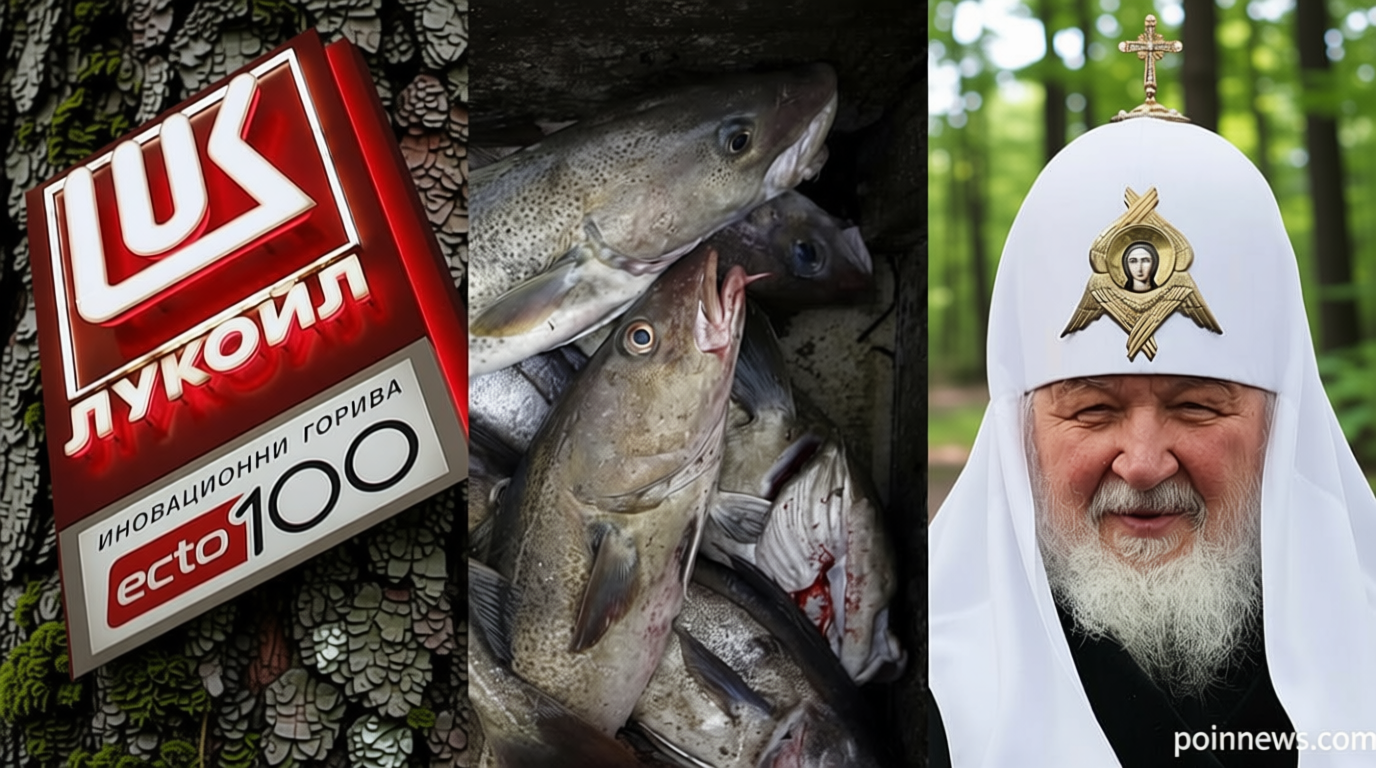
Since the Hormuz Strait closure, Urals oil prices have surged, prompting concerns that the review could ease Moscow’s financial strain. To counter this, the Commission has suggested maintaining the cap at $44 per barrel until January 2027. Ambassadors are weighing whether to extend the review period or implement a new fixed limit. Other elements of the sanctions, such as restrictions on Russian LNG tankers and fish imports, have sparked debate. Notably, several countries like Germany, France, Poland, and the Netherlands continue to rely heavily on Russian cod and pollack.
Sanctions Targeting Religious and Economic Figures
One contentious aspect involves the proposed sanctions on Patriarch Kirill, the leader of Russia’s Orthodox Church. Bulgaria’s new government has openly opposed this, with Prime Minister Rumen Radev arguing that targeting Kirill would undermine religious freedoms. The EU initially sought to blacklist Kirill in 2022, but Hungary’s then-leader Viktor Orbán blocked the move, framing it as a cultural issue. The veto caused controversy, and the matter resurfaced in May when Hungary signaled its readiness to act against Kirill again.
Radev has also raised objections to including Vagit Alekperov, the founder of Lukoil, in the sanctions list. Alekperov, who stepped down as president in 2022, still holds shares in the energy firm. Bulgaria’s government claims that sanctioning him would risk a €3 billion compensation claim by Lukoil, which is challenging the state’s takeover of the Neftohim Burgas refinery. The plant, placed under a special administrator in November 2025, no longer uses Russian oil.
The proposed measures to restrict access for Russian soldiers involved in Ukraine’s invasion have faced pushback from France and Italy. Meanwhile, the EU’s negotiations are expected to extend into the Irish Council presidency, which begins on 1 July. Ambassador Aingeal O’Donoghue, representing Ireland, expressed optimism about meeting the July deadline.
“As with all the packages, there is an exercise of listening to member states, trying to understand their real bottom line, and then seeing if it’s possible to come to compromises. Ultimately, these packages are sort of a balance,” O’Donoghue stated.