France heatwave: baby dies in A&E, fourth child death this week
France Heatwave: Infant Fatality in A&E, Fourth Child Death This Week France heatwave has intensified this week, with tragic consequences as an infant


France Heatwave: Infant Fatality in A&E, Fourth Child Death This Week
Poinews.com – France heatwave has intensified this week, with tragic consequences as an infant succumbed to heat-related complications in an emergency department, marking the fourth child death linked to the extreme weather conditions. The incident occurred in Marseille, where temperatures soared to dangerous levels, prompting authorities to issue urgent alerts. The child, discovered in a sweltering vehicle at Timone University Hospital, was rushed to the paediatric unit in critical condition before losing their life. This grim development has reignited concerns about the impact of the France heatwave on vulnerable populations, particularly young children, who are more susceptible to hyperthermia in high-temperature environments.
Heatwave Situation in France
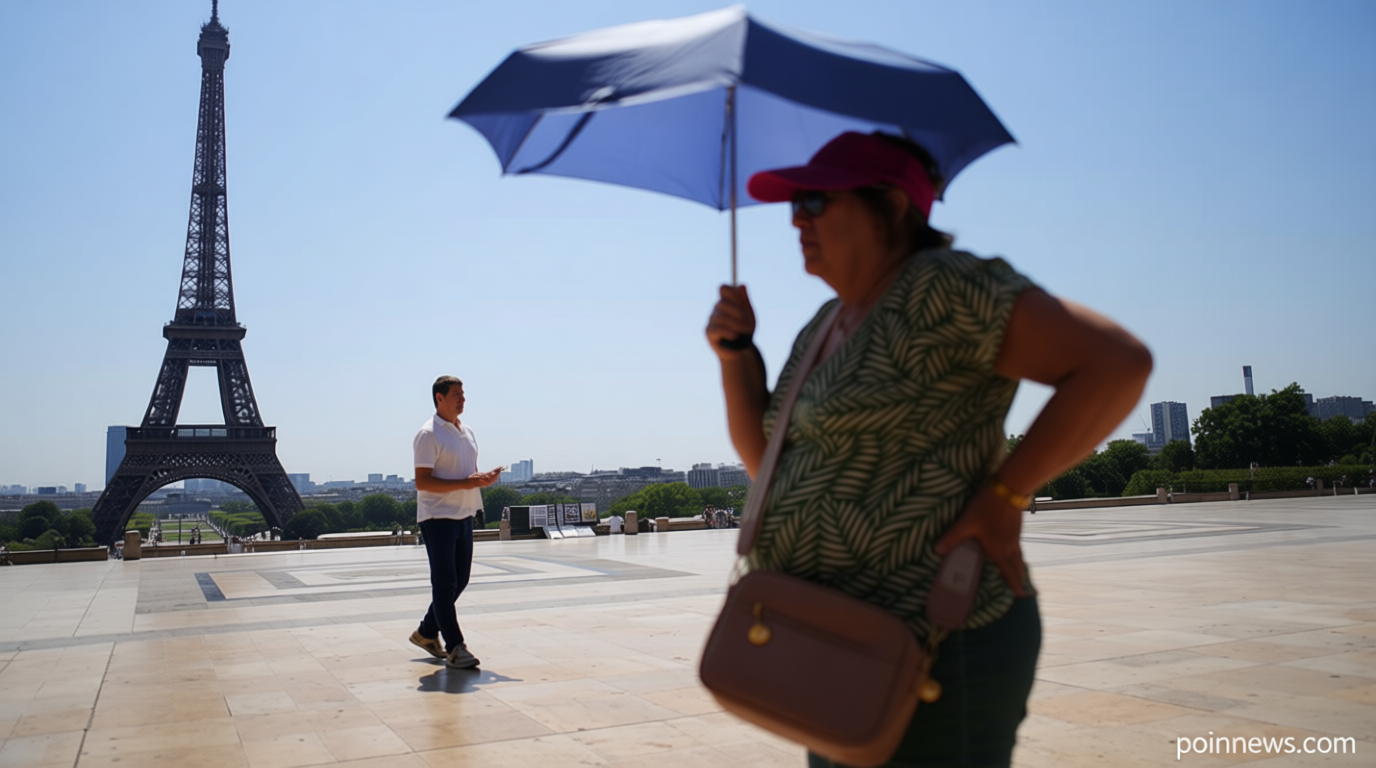
The France heatwave has persisted for several days, with multiple regions experiencing record-breaking temperatures. Marseille, already grappling with oppressive heat, saw peak readings of 33 °C on Tuesday, triggering an orange alert for the Bouches-du-Rhône département. Such alerts signal the need for heightened vigilance, as they are typically issued when temperatures exceed 30 °C and pose a risk to health. Meteorological forecasts suggest the heatwave may last for another week, with prolonged exposure expected to worsen conditions for those without adequate cooling measures. The civil protection service has emphasized the importance of monitoring heat-related emergencies, especially in urban areas where heat retention is more pronounced.
Tragic Child Deaths Linked to the Heatwave
Since the start of the week, four child fatalities have been reported across France, all connected to the ongoing heatwave. The most recent incident in Marseille follows earlier cases in Val-d’Oise and Carpentras, where children were found dead in vehicles under similar circumstances. In Val-d’Oise, a three-year-old boy died after being trapped in a car when his father mistakenly thought he was napping, and the child lock mechanism failed to activate. In Carpentras, two children, aged two and four, were discovered in a family car parked in a residential area, presumed to have entered the vehicle unattended and been left trapped. The exact time of the infant’s death remains under investigation, as the announcement was made on Friday, June 26th, following a period of uncertainty.
These incidents have raised alarm among health officials and emergency services, who are now working closely to identify patterns and prevent future tragedies. The university hospital in Marseille, part of Aix-Marseille University, has launched a psychological support initiative for staff and families impacted by the event. Meanwhile, the territorial crime division has begun a detailed investigation into the circumstances surrounding the infant’s death, with initial reports suggesting the parent may have forgotten the child in the vehicle while heading to work on campus. The civil protection service has urged parents and caregivers to remain vigilant, especially during peak heat hours, and to ensure children are never left unattended in enclosed spaces.
Broader Implications of the France Heatwave
As the France heatwave continues, its effects extend beyond individual incidents, highlighting the urgent need for public health preparedness. Hospitals across the country have reported an increase in heat-related illnesses, with hyperthermia becoming a growing concern among infants and elderly patients. The Timone University Hospital, where the infant was found, has joined a network of medical facilities monitoring the situation, with doctors warning that prolonged exposure to high temperatures can lead to rapid dehydration and organ failure in vulnerable individuals. This case underscores the importance of early intervention and the critical role of emergency services in mitigating the risks associated with extreme weather.
Experts are now analyzing the broader implications of the heatwave, including its potential to strain healthcare resources and exacerbate existing vulnerabilities. According to the French health ministry, heatwaves are responsible for over 10,000 annual deaths in the country, with children and the elderly being disproportionately affected. The current situation has prompted discussions about the need for improved infrastructure, such as shaded parking areas and cooling stations, to protect individuals from heat exposure. Additionally, there is a call for stricter public awareness campaigns, particularly targeting parents and caregivers who may inadvertently leave children in vehicles during hot weather.
Public Awareness and Safety Measures
Authorities have emphasized that the fourth child death this week is a stark reminder of the dangers posed by the France heatwave. To prevent such incidents, the civil protection service has issued guidelines urging parents to check on their children frequently and to park vehicles in shaded areas. The university hospital in Marseille has also launched a community outreach program to educate residents about heat-related risks and emergency response protocols. This includes distributing informational brochures and setting up cooling stations in public spaces, which provide shade and hydration for those at risk.
Furthermore, the France heatwave has prompted a review of safety measures in schools and daycare centers. Officials are working with educators to implement checklists ensuring that children are never left unattended during heatwaves, particularly when temperatures exceed 30 °C. Social media platforms have also been used to share safety tips, with hashtags like #FranceHeatwave and #ChildSafety trending in response to the recent tragedies. These efforts aim to create a collective awareness, reinforcing the importance of vigilance and proactive measures to safeguard the most vulnerable members of society during extreme weather events.