Putin admits oil deficit and adjusted fuel plans amid Ukrainian strikes on refineries
Putin Admits Oil Deficit and Adjusts Fuel Plans Amid Ukrainian Refinery Attacks Putin admits oil deficit and adjusted - On June 29, Russian President Vladimir

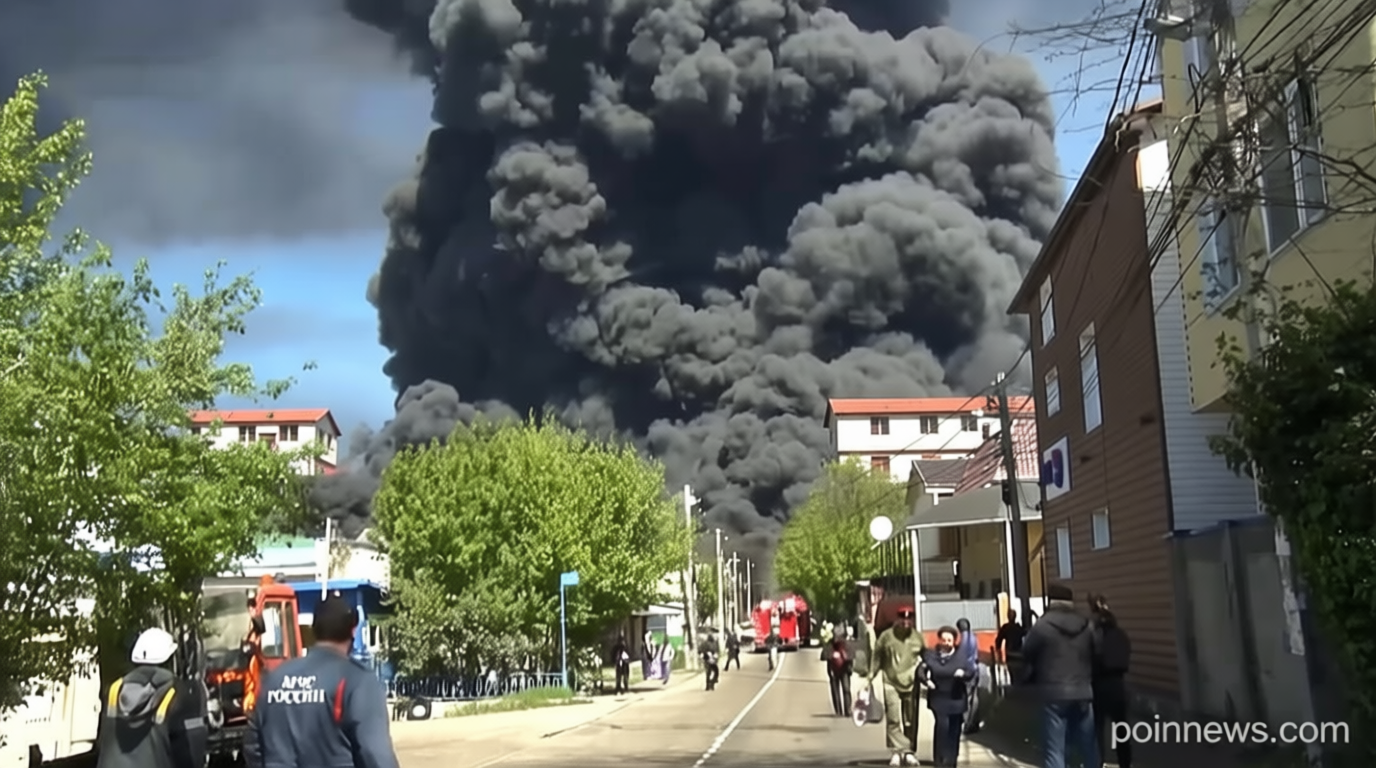
Putin Admits Oil Deficit and Adjusts Fuel Plans Amid Ukrainian Refinery Attacks
Poinews.com – On June 29, Russian President Vladimir Putin acknowledged a “certain fuel shortfall” in Russia, marking a significant shift in the nation’s energy strategy amid relentless Ukrainian strikes on critical oil infrastructure. The admission came after a series of attacks targeting refineries in Sloviansk and Yaroslavl, which have disrupted supply chains and raised concerns about energy security. These strikes, part of Ukraine’s broader efforts to weaken Russia’s logistical capabilities, have led to immediate shortages in Crimea and other occupied regions, forcing the government to implement emergency measures to stabilize fuel supplies.
Putin’s admission underscores the growing challenges Russia faces in maintaining its energy dominance. The Sloviansk refinery, a key player in refining nearly 4 million tons of crude oil annually, suffered damage in recent attacks, threatening the flow of essential products such as fuel oil and marine fuel. Ukrainian President Volodmyr Zelenskyy emphasized that these strikes have not only hindered Russia’s ability to sustain its military operations but also pressured the Kremlin to reconsider its strategic priorities. “Ukraine’s long-range attacks have effectively created a bottleneck in Russia’s energy infrastructure,” said Zelenskyy, adding that the disruption has led to long queues at gas stations and a strain on daily life in affected areas.
Strategic Adjustments to Combat Shortages
In response to the crisis, Putin announced a series of adjustments to Russia’s fuel distribution and production strategies. Speaking at a government meeting, he confirmed that the country would “fulfill all its social responsibilities” despite the ongoing conflict, while also pledging to enhance security at oil facilities. The Russian leader emphasized that the deficit was “temporary” and assured that increased fuel imports and accelerated repairs would resolve the situation within weeks. This statement signals a broader rethinking of energy logistics, with Putin acknowledging that the war has forced Russia to adapt its traditional supply routes.
“Fuel deliveries to the Black Sea peninsula will rise via land and sea,” Putin declared. “This task will be completed.”
Analysts note that the adjustment in fuel plans is a strategic move to mitigate the impact of Ukrainian strikes on Russia’s energy sector. The focus keyword, “Putin admits oil deficit and adjusted,” is central to understanding the shift in Moscow’s approach to maintaining energy self-sufficiency. While the Kremlin has long relied on its vast oil reserves, the recent attacks have exposed vulnerabilities in its supply chains, prompting a more flexible strategy. Putin also highlighted that these strikes aim to “divide Russian society” and create pressure on the government to pause military advances, particularly in the south.
Broader Implications of the Energy Crisis
The oil deficit has far-reaching implications beyond immediate fuel shortages. It has forced Russia to reconsider its reliance on maritime routes for exports, with a growing emphasis on land-based logistics. This shift could impact the country’s economic stability, as disruptions in the energy sector may affect industrial production and inflation rates. Western experts suggest that the crisis could also influence Moscow’s diplomatic stance, with the need to secure alternative energy sources potentially easing pressure for peace talks.
Putin’s adjustment in fuel plans is part of a larger effort to maintain energy exports despite the war. The president reiterated that Russia remains committed to its “social commitments,” even as it faces logistical challenges. However, the strikes on refineries have not only created a temporary shortfall but also highlighted the vulnerability of energy infrastructure in the conflict zones. Regional authorities have implemented rationing measures, and the Russian government is working to restore operations as quickly as possible to prevent further economic strain.
As the war enters its third year, the energy sector has become a critical battleground. The Ukrainian strikes on refineries have forced Russia to adapt its fuel plans, demonstrating a willingness to pivot in the face of adversity. This adjustment reflects a broader trend in Moscow’s strategic thinking, as the country seeks to balance military needs with domestic energy demands. The admission of an oil deficit marks a pivotal moment in the conflict, signaling that Russia’s energy dominance is no longer absolute and that the war has reshaped its economic priorities.