Outrage as Maltese tycoon acquitted of reporter Daphne Caruana Galizia’s murder
On Wednesday, a Maltese court delivered a verdict that will reverberate far beyond the island's shores: billionaire Yorgen Fenech was found not guilty of

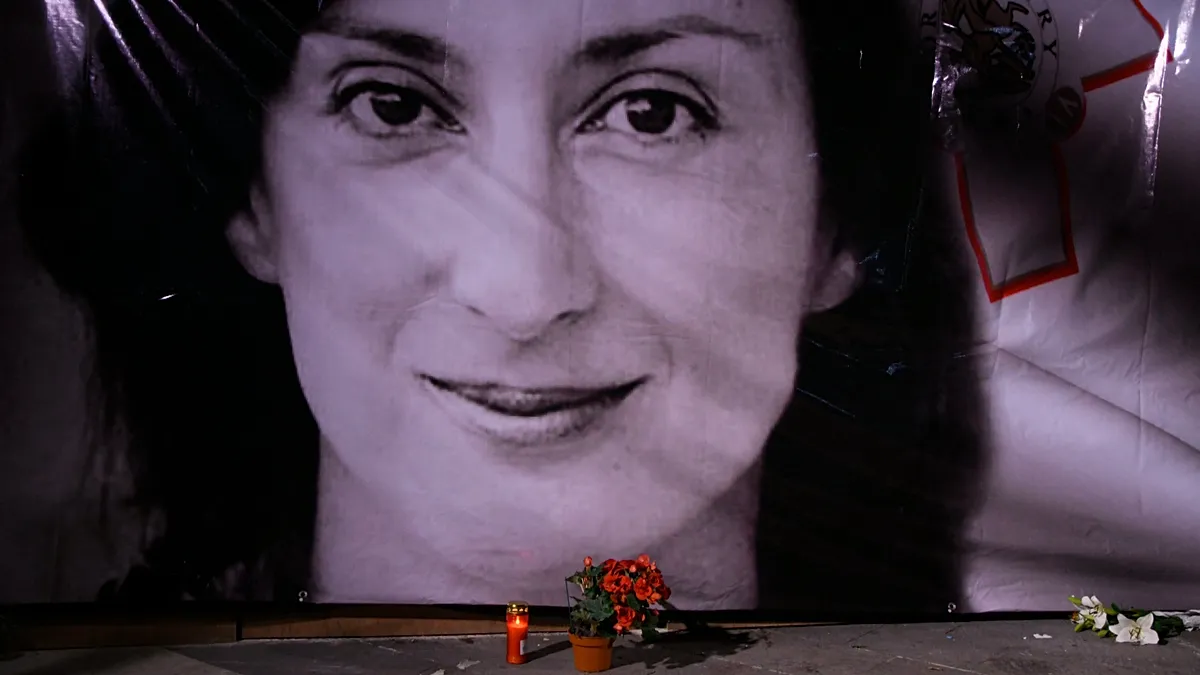
Table of Contents
Malta’s Most Watched Trial Ends in Acquittal, Deepening a Nine-Year Wound
Poinews.com – On Wednesday, a Maltese court delivered a verdict that will reverberate far beyond the island’s shores: billionaire Yorgen Fenech was found not guilty of orchestrating the car-bomb assassination of investigative journalist Daphne Caruana Galizia. The decision, handed down after a trial that drew global attention to the EU’s smallest member state, ignited fury among the slain reporter’s relatives, press-freedom watchdogs, and citizens who had rallied around her memory since the blast tore through her car in 2017.
The acquittal lands at a moment when Malta is still grappling with questions about how deeply its institutions failed to shield one of its most prominent voices. For nearly a decade, the case has served as both a national trauma and a litmus test for the island’s commitment to rule of law, transparency, and the safety of those who investigate power.
A Reporter Who Became a National Symbol
Caruana Galizia, who was 53 at the time of her death, had built a reputation as a relentless expositor of corruption linking Malta’s political and commercial elites. Colleagues and admirers often called her a “one-woman WikiLeaks,” a moniker that captured how she single-handedly peeled back layers of opacity in a small country where business and government circles overlap tightly. Her reporting did not merely inform; it destabilized comfortable arrangements, drawing international scrutiny to arrangements that many locals had long suspected but few had documented with such precision.
Her murder on October 16, 2017, sent shockwaves through European capitals. Within weeks, mass demonstrations filled Valletta’s streets. The political fallout was swift and severe: then-Prime Minister Joseph Muscat resigned in January 2020 after sustained public anger over what critics described as his attempts to shield friends and allies from the investigation’s reach. The episode underscored how a single killing could upend the governance of an entire nation.
The Trial and the Question of the Mastermind
Fenech, whose commercial empire stretches across energy and tourism, had been arrested aboard his yacht in 2019 as he attempted to depart Maltese waters. The timing was pointed: a middleman connected to the killing had been offered a pardon in exchange for identifying those who directed the operation. Prosecutors contended that Fenech ordered the journalist silenced because she was close to publishing a damaging article about his uncle.
Five individuals have already been convicted in connection with the murder. In June 2025, Robert Agius and Jamie Vella received life sentences for supplying the explosive device. Brothers George and Alfred Degiorgio, along with Vince Muscat, are serving prison terms for carrying out the killing itself. Yet the question of who gave the order — the architect behind the act — remained unresolved until Wednesday’s verdict closed that chapter without a conviction.
Family and Advocacy Groups React
The Caruana Galizia family issued a statement describing the outcome as a denial of the justice their mother and sister deserved.
“Denying her the justice she deserves,” the family said, adding that the verdict represented a failure that had persisted for nearly a decade.
Her son Matthew Caruana Galizia spoke of jurors having made a decision he called terrible — one he feared the country might never recover from.
“Accountability is now overdue for all those who enabled, facilitated, or protected her murderers,” the family statement continued. “Nine years after Daphne’s brutal assassination, the institutional failures that enabled her murder remain unaddressed and unreformed.”
The European Centre for Press and Media Freedom (ECPMF) warned that the verdict transmitted a troubling signal to anyone who attacks or kills journalists, suggesting that the person who pulls the trigger need not answer to a court if the order came from above.
Reporters Without Borders (RSF), a media watchdog, described itself as “beyond outraged.” The organization noted that almost nine years after the assassination, Maltese authorities had still failed to identify and convict the mastermind.
“Full justice must be served and Maltese authorities must implement the long overdue measures protecting journalists and media freedom,” RSF added.
What the Public Inquiry Already Found
The absence of a conviction at the top does not erase the findings of a two-year public inquiry published in July 2021. A panel of three judges produced a 437-page report concluding that the state should “shoulder responsibility” for the murder because of an “atmosphere of impunity” cultivated by successive governments. The panel determined that Malta had shirked its duty to protect Caruana Galizia, who endured personal attacks and verbal abuse from politicians in the years before her death.
The inquiry found “convincing evidence” that her killers believed they would be shielded by persons occupying the highest state positions. That perception, the judges wrote, created a “favourable climate” in which assassination became a calculable risk rather than an unthinkable act.
Implications for Malta and the Broader European Context
For Malta, the acquittal risks entrenching a narrative that the most powerful figures can operate above judicial consequence. For the wider European press-freedom community, the case has long functioned as a cautionary example of how small-state intimacy — where business, politics, and media intersect in narrow circles — can make independent journalism especially hazardous. The verdict will likely fuel renewed calls for structural reforms: stronger witness-protection frameworks, clearer separation between investigative journalism and political patronage, and institutional mechanisms that ensure inquiries translate into accountability rather than report-shelving.
Nine years after a car exploded beside a woman who had spent her career asking uncomfortable questions, the silence of an acquittal bell may prove louder than any headline. The questions it leaves unanswered are not merely legal; they are civic, and they belong to every Maltese citizen who still wonders whether the next reporter to publish a inconvenient truth will be protected — or protected from.
Related Reading
Frequently Asked Questions
What is Outrage as Maltese tycoon acquitted of reporter?
Outrage as Maltese tycoon acquitted of reporter is the main topic of this guide. The article explains the context, practical details, and next steps readers should understand.
Why does Outrage as Maltese tycoon acquitted of reporter matter?
Outrage as Maltese tycoon acquitted of reporter matters because readers are looking for a useful answer, not just a short summary. Good content should match search intent and help them decide what to do next.