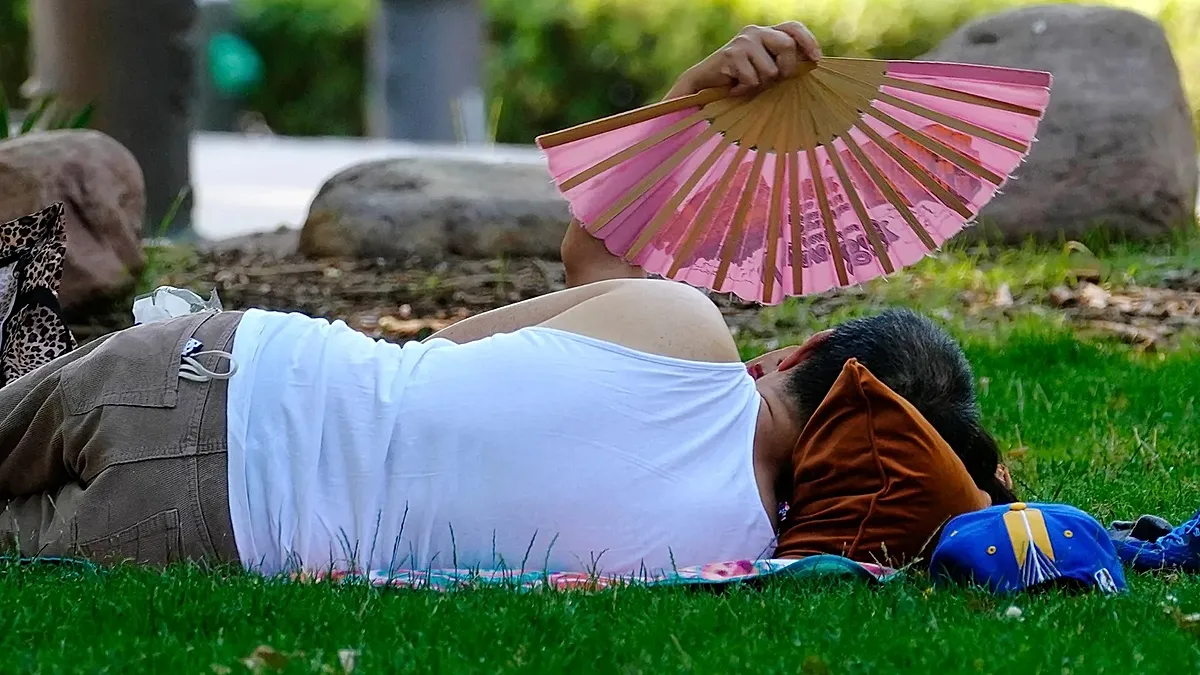
‘Social jet lag’: Why mismatched sleep schedules could be fuelling anxiety in teenagers
Every September, millions of adolescents are thrust back into early-morning routines after months of sleeping through the afternoon. The transition is jarring

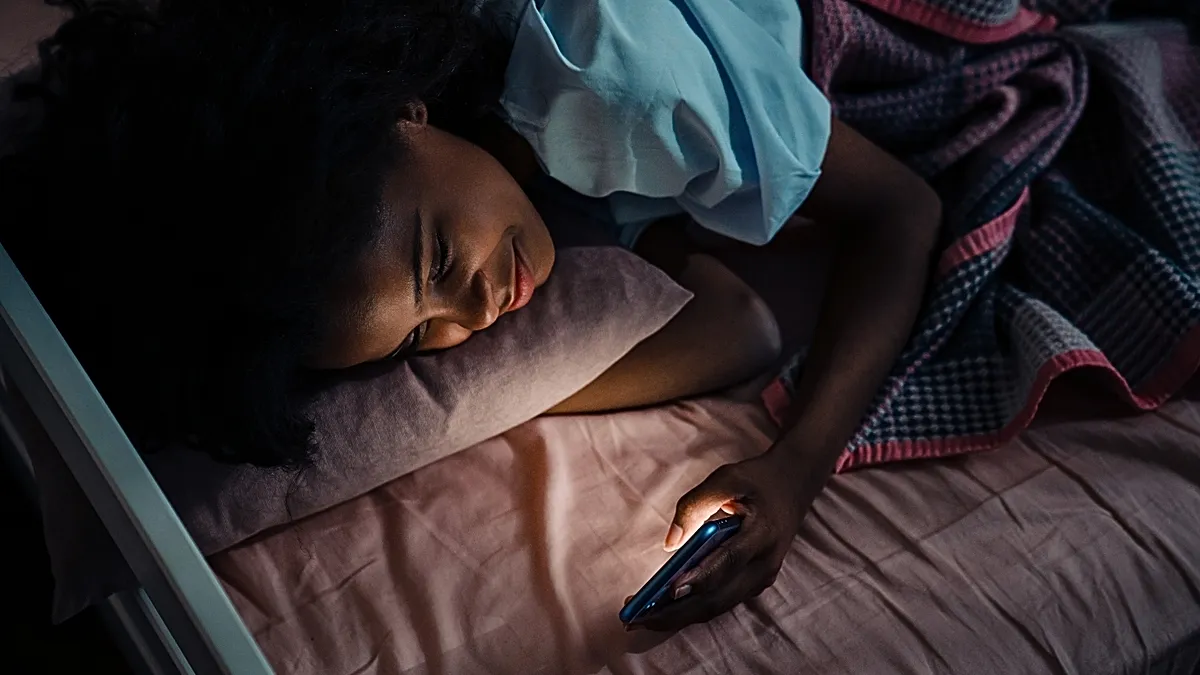
Table of Contents
- The Teenage Brain Runs on a Different Clock — and Schools Are Forcing It to Sync
- Anxiety Is Already the Dominant Adolescent Mental-Health Problem
- The Biology of the Evening Shift
- Looking Beyond the Individual
- Why Small Structural Tweaks May Outperform Big Lectures
- Related Reading
- Frequently Asked Questions
The Teenage Brain Runs on a Different Clock — and Schools Are Forcing It to Sync
Poinews.com – Every September, millions of adolescents are thrust back into early-morning routines after months of sleeping through the afternoon. The transition is jarring not merely because of habit, but because of biology: the adolescent body has quietly recalibrated its internal timing, pushing natural sleep onset several hours later than an adult’s. When the school bell demands a 7:30 a.m. wake-up while the teen’s circadian system is still settling into a late-night rhythm, the result is a chronic, low-grade misalignment that researchers have labelled “social jet lag.”
A new review published by researchers at the University of Southampton in the United Kingdom has quantified what many parents and teachers have long suspected anecdotally: this weekly oscillation between weekday deprivation and weekend recovery is not a trivial inconvenience. It is measurably linked to elevated anxiety in young people.
What the evidence shows
The Southampton team synthesised data from twelve separate studies encompassing more than 230,000 participants. Across that pooled sample, adolescents who experienced larger gaps between their weekday and weekend sleep timing reported significantly higher levels of anxiety. The relationship ran in both directions — greater anxiety also predicted wider social jet lag — but the authors were careful to frame the finding as an association rather than a confirmed causal pathway.
The distinction matters. Anxiety does not simply “cause” a later bedtime, nor does a late bedtime mechanically manufacture fear. What the data suggests is a reinforcing loop: poor sleep quality amplifies emotional reactivity, which in turn erodes the motivation and capacity to maintain a regular schedule, which deepens the sleep disruption. Breaking that loop, the authors argue, requires interventions aimed at stabilising sleep timing itself rather than at treating anxiety in isolation.
Anxiety Is Already the Dominant Adolescent Mental-Health Problem
The stakes of this finding are sharpened by the baseline prevalence of anxiety disorders in young people. The World Health Organization estimates that roughly 4.4 per cent of ten-to-fourteen-year-olds and 5.5 per cent of fifteen-to-nineteen-year-olds worldwide meet criteria for an anxiety disorder — defined as intense, persistent fear or nervousness that proves difficult to control. Adolescence is also the period when many of these conditions first emerge, and longitudinal research consistently shows that untreated adolescent anxiety raises the risk of chronic psychiatric morbidity in adulthood. Early identification and early intervention are therefore not merely preferable; they are, by most clinical consensus, necessary.
In that context, a modifiable environmental factor that worsens the very condition already most common among teens deserves serious policy attention. Sleep timing is precisely such a factor: it is shaped by school timetables, by evening screen norms, and by the structure of the week itself.
The Biology of the Evening Shift
Every individual carries a chronotype — a relatively stable disposition toward morningness or eveningness. Yet the Southampton authors emphasise that this disposition is not fixed during the teenage years. Puberty triggers a pronounced shift toward eveningness: the body’s melatonin onset, the timing of core-temperature minimum, and the subjective feeling of sleepiness all drift later by roughly one to three hours.
“During puberty, the body’s internal clock usually shifts back by a few hours, meaning teenagers naturally don’t start feeling sleepy until later and would ideally wake up later too,” said Sarah Chellappa, a co-author on the paper from the University of Southampton. “Teenagers also face demands on their time, from early school starts to socialising online, which can rob them of sleep, especially during the week.”
The collision between this biological preference and an institutional timetable that assumes adult-like alertness by mid-morning creates what the authors describe as a “perfect storm” for circadian misalignment. The internal clock and the external clock are simply out of phase for a substantial portion of the school day, and the mismatch repeats itself every Monday through Friday.
Looking Beyond the Individual
A recurring theme in adolescent sleep research is the tendency to frame poor sleep as a matter of personal discipline — “just put the phone down,” “just go to bed earlier.” The Southampton team pushes back against that framing explicitly.
“It’s important to look beyond what individuals can do alone and recognise how broader societal systems can influence sleep,” said Hannah Ravenhall, lead author of the paper. “This starts with acknowledging the biological sleep changes that occur in adolescence, advocating for their sleep needs, and reconsidering secondary school start times to support young people’s wellbeing.”
The authors’ public-health recommendation is straightforward: consistent sleep timing should be treated as a core component of adolescent mental-health promotion, on par with nutrition or physical activity. In practical terms, that could involve secondary schools shifting start times later — a change supported by a growing body of educational and neurological research — and households rethinking evening screen rules so that the pre-sleep window is not consumed by high-stimulation media use.
Why Small Structural Tweaks May Outperform Big Lectures
Telling a fourteen-year-old to “go to bed earlier” ignores the fact that their biology is actively resisting the instruction and that their social environment is pulling in the opposite direction. A ten-minute adjustment to a school bell, a household agreement that screens go dark at a fixed hour, or a district-level policy that phases in later start times over a year or two — these are low-cost, low-resistance changes that address the structural cause rather than the symptom.
The Southampton review does not claim that social jet lag is the sole driver of adolescent anxiety, nor that eliminating it would eliminate anxiety. What it does establish, across a very large pooled sample, is that the weekly sleep-timing swing is a meaningful, modifiable contributor to the anxiety burden already carried by millions of young people. In a population where anxiety is the most prevalent mental-health condition, even a modest reduction in that burden translates into substantial gains in wellbeing, academic performance, and long-term psychiatric risk. The question the study poses to policymakers, school boards, and parents is no longer whether teen sleep timing deserves attention. It is whether the systems that shape that timing will be adjusted before the next September forces another generation of teenagers to fight their own biology every morning.
Related Reading
Frequently Asked Questions
What is Social jet lag?
Social jet lag is the main topic of this guide. The article explains the context, practical details, and next steps readers should understand.
Why does Social jet lag matter?
Social jet lag matters because readers are looking for a useful answer, not just a short summary. Good content should match search intent and help them decide what to do next.