Germany investigates ‘deliberate act’ of disruption at electricity substation near Cologne
Germany investigates a deliberate act of disruption at an electricity substation in Bergheim, a town just west of Cologne, after police ruled out a simple

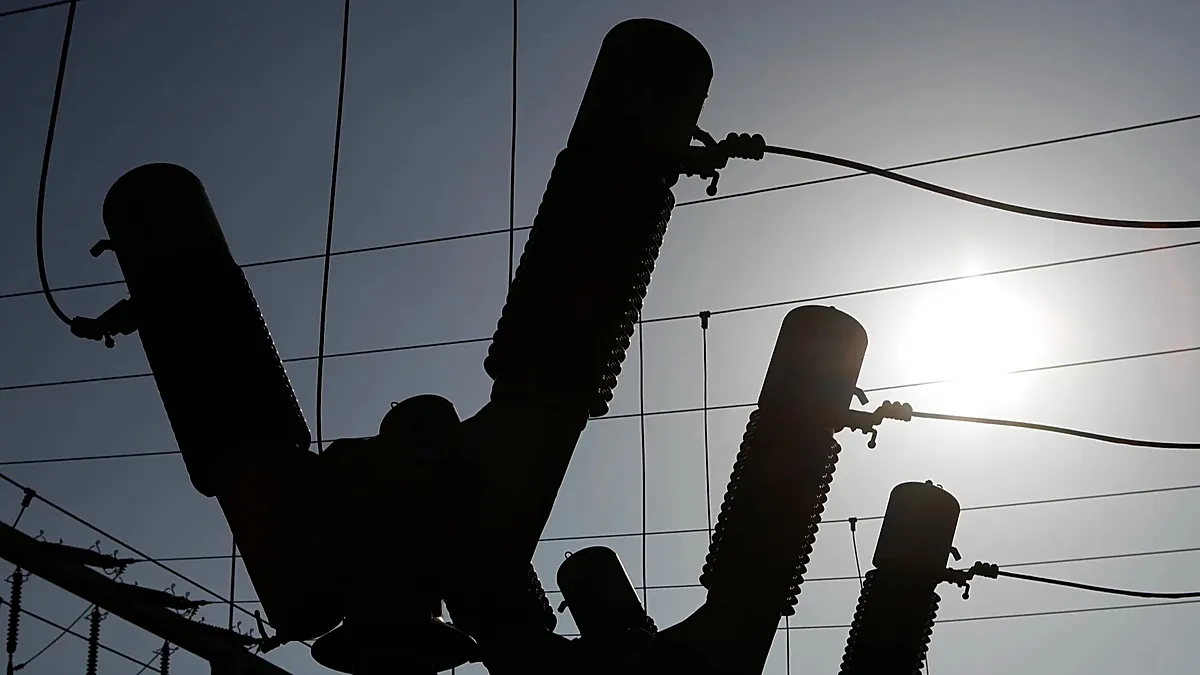
Germany Investigates Deliberate Disruption at Cologne Substation
Poinews.com – Germany investigates a deliberate act of disruption at an electricity substation in Bergheim, a town just west of Cologne, after police ruled out a simple equipment failure. Officers responded to a short-circuit event on Tuesday evening that briefly severed several distribution lines feeding the local grid. Neighbouring households did not experience a blackout, but investigators concluded the signature of the fault was inconsistent with normal component wear and opened a formal probe into possible sabotage.
“We are not assuming a technical failure but a deliberate act,” a local police spokesperson told reporters, framing the Bergheim event as an intentional intervention rather than an accident.
The distinction carries weight in a grid that serves hundreds of thousands of homes and industrial loads. Whether a transformer blows from age or from a targeted strike changes everything from insurance underwriting to national-security posture. German authorities have signalled that the Bergheim case will be examined alongside a wider sequence of incidents aimed at stressing the country’s power and transport networks.
A Second Incident at Preilack Within Hours
The Bergheim probe opened just one day after a separate episode at the Preilack substation, which carries output from the nearby Jänschwalde coal-fired power plant. On Tuesday, site workers discovered several improvised explosive devices at the facility, and multiple overhead lines sustained physical damage. Grid operator 50Hertz confirmed a brief interruption of service before restoring all affected circuits to full operation.
Preilack sits close to one of Germany’s largest thermal generation assets, feeding regional transmission corridors that serve millions of consumers across eastern Germany. Even a short outage at such a node can ripple through interconnected substations. The presence of improvised charges at the site suggested an actor wanted to gauge how quickly operators and emergency services could respond under pressure.
Leipzig Drone Strike and the Wider Hybrid Picture
Also on Tuesday, Interior Minister Alexander Dobrindt publicly attributed an attempted drone strike at Leipzig/Halle Airport last month to Moscow. Speaking at a press conference, Dobrindt said the official assessment of the incident “fits the known pattern of Russian hybrid operations in Europe.”
The Leipzig event, which unfolded on the night of 4–5 August, carried explosives aboard the recovered drone — a detail that elevated it from a routine sighting to a potential kinetic strike. In the months preceding that night, German authorities had logged a series of unexplained drone appearances over military installations, industrial zones, and airfields. None had been confirmed hostile until the Leipzig find.
As a NATO member and one of Europe’s largest contributors to Ukraine’s defence effort, Germany has spent the past two years describing a sustained campaign of hybrid operations — blending espionage, electronic interference, cyber intrusions, and physical sabotage — aimed at the Federal Republic. The Kremlin has consistently rejected that framing, calling it politically motivated. The cumulative effect of incidents at Bergheim, Preilack, and Leipzig is to push German planners to remap infrastructure assumptions against a foreign-adversary playbook. Grid operators including 50Hertz and Tennet have tightened physical security at substations, the Bundeswehr has expanded its air-surveillance posture over sensitive sites, and insurance markets have begun pricing in a higher probability of non-accidental outages.
For ordinary consumers the practical impact so far has been minimal: no sustained blackouts followed the Bergheim or Preilack events, and all lines were restored within hours. Yet the signal sent by investigators treating a short-circuit as a deliberate act of disruption is that the threshold for a national-security response has lowered. A single damaged transformer or a set of improvised charges at a substation no longer files under routine maintenance; it enters a chain of custody and countermeasure protocols that did not exist a year ago.
Frequently Asked Questions
Did residents near the Bergheim substation lose power? No. The short-circuit event temporarily knocked out several distribution lines at the facility, but surrounding households experienced no blackout. All affected circuits were restored quickly.
What happened at the Preilack substation? Workers found improvised explosive devices and damaged overhead lines at the Preilack site, which channels electricity from the Jänschwalde coal plant. Grid operator 50Hertz confirmed a brief service interruption before restoring full operation.
Has Germany linked these incidents to Russia? Interior Minister Dobrindt attributed the Leipzig drone strike to Moscow and described it as fitting a pattern of Russian hybrid operations. Authorities have not publicly confirmed a direct link between the Bergheim or Preilack events and a specific foreign actor, but they are investigating both within the broader context of deliberate act of disruption targeting critical infrastructure.
What steps are being taken to protect the grid? Grid operators have increased physical security at substations, the Bundeswehr has expanded air-surveillance over sensitive sites, and insurers are adjusting premiums to reflect a higher likelihood of non-accidental outages.