EU institutions pile on pressure for ‘ambitious’ budget with new resources
EU Institutions Intensify Demands for Ambitious Budget with New Revenue Measures EU institutions pile on pressure for ambitious - At a pivotal gathering in

EU Institutions Intensify Demands for Ambitious Budget with New Revenue Measures
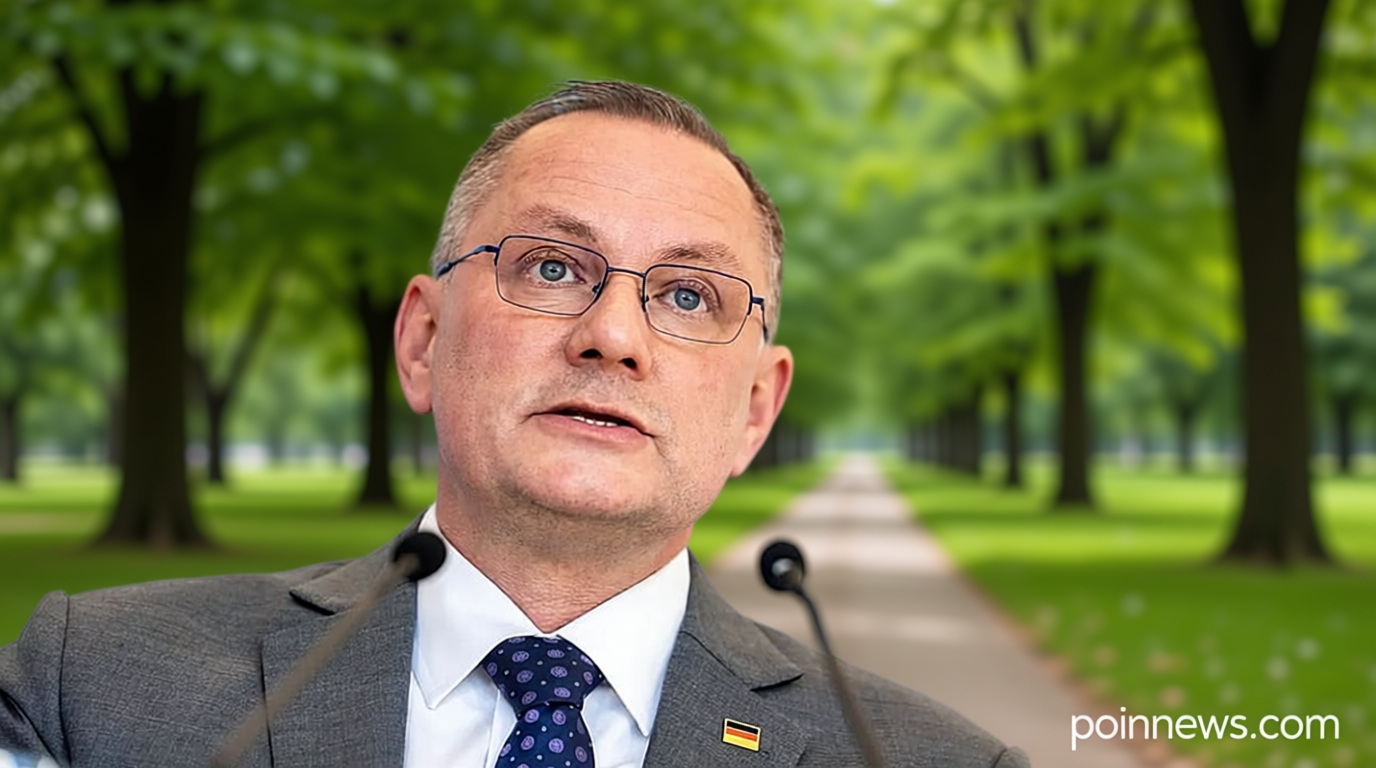
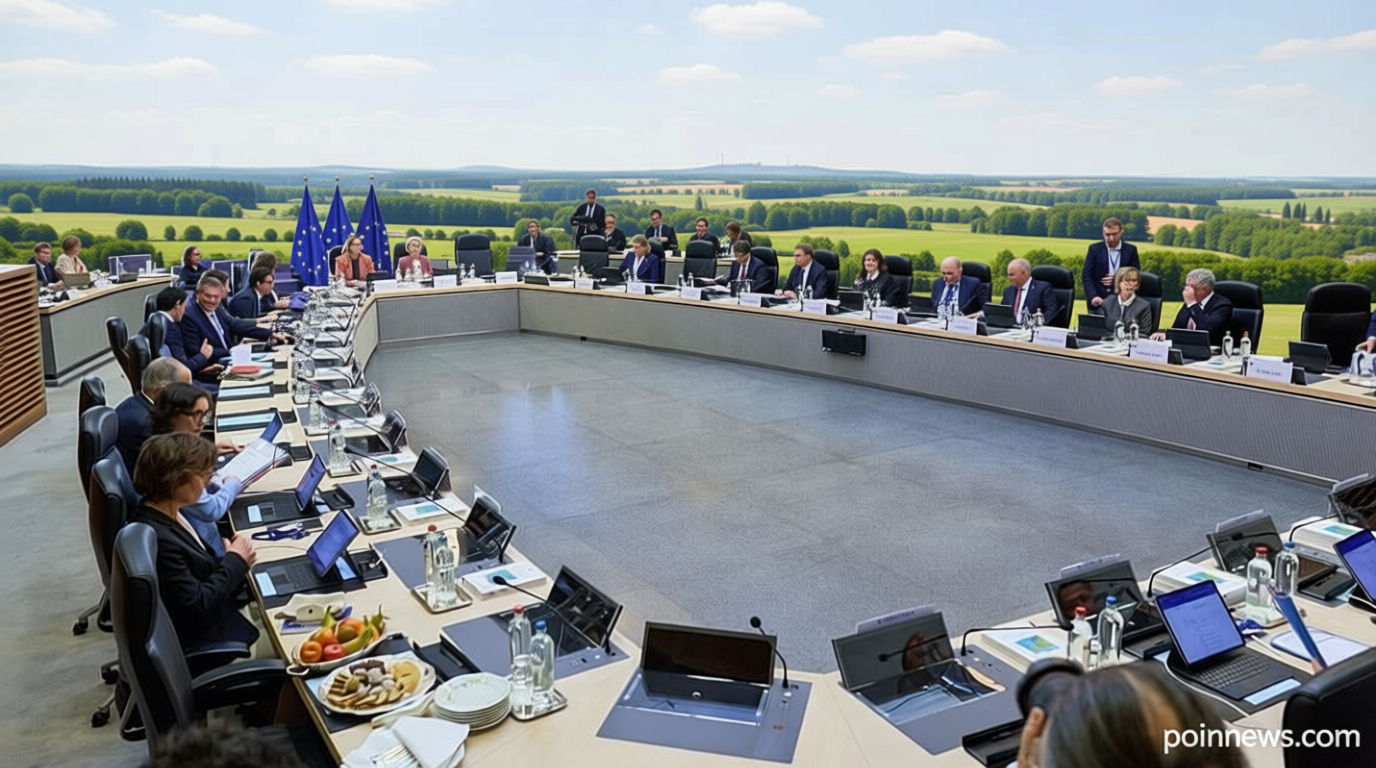
Poinews.com – At a pivotal gathering in Brussels, EU representatives emphasized the need for a bold, long-term financial plan, urging member states to commit to expanded funding through innovative revenue sources. European Commissioner for Budget Piotr Serafin highlighted the tension between fiscal restraint and modernization during the Annual EU Budget Conference, a key platform for shaping the bloc’s financial strategy.
Budget Debate and Own Resources
The discussion centered on the concept of “own resources”—EU-wide taxes designed to fund the bloc independently, rather than relying solely on national contributions. Serafin argued that a frugal budget could hinder progress, stating,
“We need to be mindful of the link between having a frugal budget and having a modern budget.”
He cautioned that a smaller EU budget might not reduce taxpayer costs, as funds redirected from national coffers could lead to inefficiencies and overlapping expenditures.
Despite the focus on own resources, member states have yet to reach concrete agreements. With France, Italy, and Poland approaching elections in 2027, pressure is growing to finalize negotiations by year-end. The European Commission initially proposed a €2 trillion budget in July 2025, prioritizing economic resilience and security while reducing support for agriculture and regional programs.
Split Between Fiscal Priorities
Since the proposal, nations have divided into two groups: those advocating for tighter spending and new priorities, and others pushing to maintain funding for traditional sectors like agriculture. The Commission has since introduced additional revenue ideas, including a gambling tax, a digital levy, and a cryptocurrency capital gains tax, which could generate up to €11 billion annually. However, these measures face resistance, particularly from Sweden, which opposes any shift toward own resources, fearing unfair burdens on wealthier nations.
As the next critical meeting looms in October, EU leaders are rallying support for ambitious reforms. Defence Commissioner Andrius Kubilius challenged members with a pointed question:
“Are we serious about a potential war?”
He urged alignment of financial commitments with Europe’s escalating security needs. Ursula von der Leyen and Serafin have repeatedly called for approval of a new revenue framework, insisting it is essential to match the bloc’s strategic goals.
Towards a Balanced Approach
Experts suggest a compromise might emerge through a bundled solution that reconciles differing national interests. EU lawmaker Danuše Nerudová, a proponent of own resources, stated on Thursday,
“We must continue to support our traditional priorities while also addressing new ones, such as competitiveness and defence.”
She noted that own resources could help sustain existing programs while funding emerging challenges, reinforcing the Commission’s push for a transformative budget structure.