US Democrats urge Brussels to stick to methane rules
US Democrats Urge Brussels to Uphold Methane Regulations US Democrats urge Brussels to stick - Five U.S.

US Democrats Urge Brussels to Uphold Methane Regulations
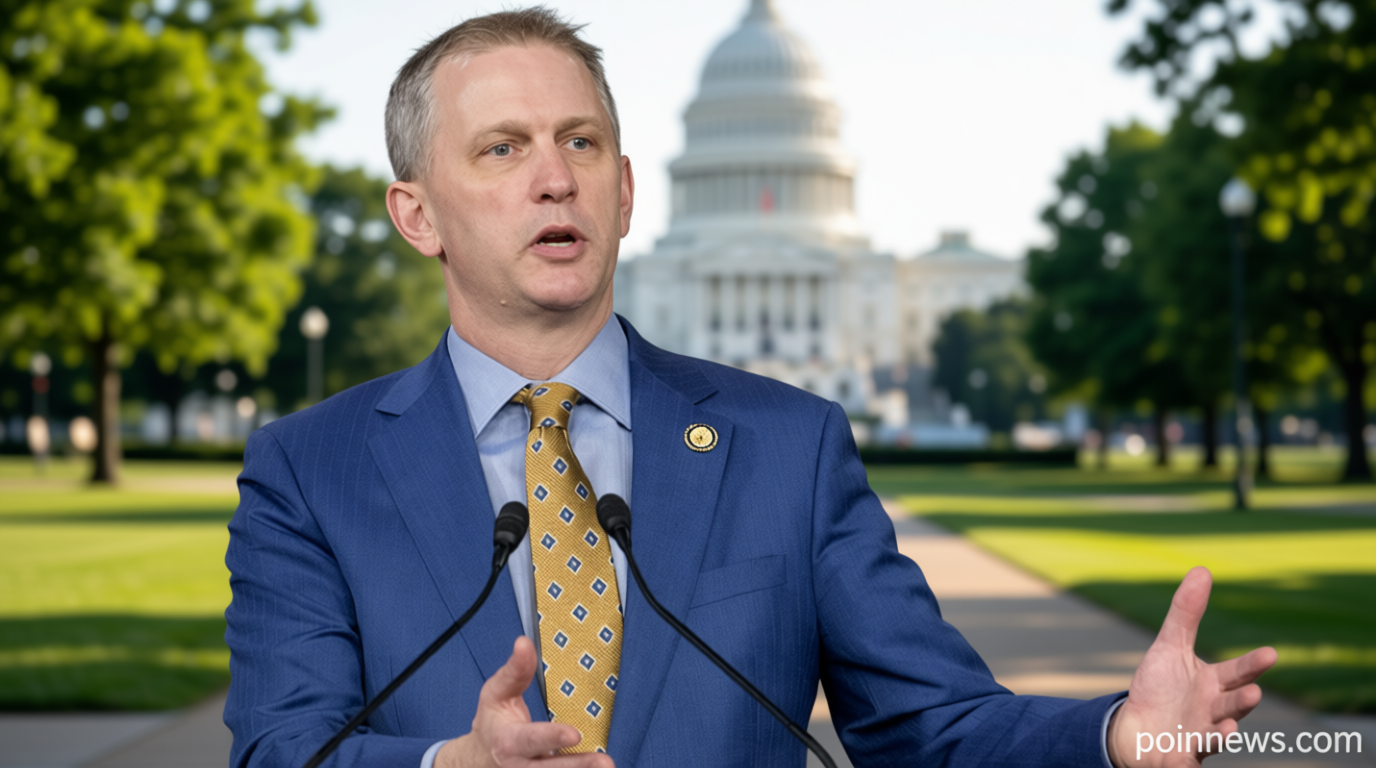
Poinews.com – Five U.S. lawmakers have written to the European Commission, advocating for the retention of methane regulations amid growing commercial pressure and demands from the Trump administration to abolish them. Their letter, dated July 1, highlights the importance of maintaining clear and consistent standards for all energy suppliers to bolster Europe’s energy security and cut down emissions of a potent greenhouse gas.
Pressure on EU Methane Rules
As fossil fuel industries intensify their push to delay or soften the upcoming methane rules, the European Commission is set to propose a three-year pause on penalties for non-compliance. This development has sparked concern among U.S. representatives, who stress the need for steadfast adherence to the regulations.
“Maintaining robust methane standards is crucial for reinforcing Europe’s energy resilience and addressing emissions that contribute significantly to climate change,” the lawmakers stated in their July 1 letter.
Climate Groups Challenge Fossil Fuel Claims
A coalition of 28 climate organizations recently disputed arguments from several EU nations seeking to eliminate the methane rules. They contended that the rationale for scrapping the regulations is based on misleading data and overstates energy security risks linked to cost impacts.
“The non-paper contains inaccurate claims about cost and energy security, relying on flawed assumptions regarding fuel traceability requirements,” the group’s letter emphasized.
EU’s Methane Rule Framework
In May 2024, EU member states implemented methane regulations, marking the first comprehensive framework for measuring, reporting, and verifying methane emissions in the energy sector. Methane, primarily emitted through fossil fuel production and livestock digestion, has a warming effect over 20 years more than 80 times greater than carbon dioxide.
The International Energy Agency (IEA) estimates that methane is responsible for about 30% of the global temperature rise since the Industrial Revolution. Despite this, critics argue that strict environmental compliance could lead to energy price volatility, a claim US lawmakers have refuted with new data from Rystad Energy.
Energy Market Implications
According to Rystad Energy, there is no credible link between the EU’s methane rules and recent oil or gas price increases. The lawmakers assert that the rules act as a key “waste prevention measure,” potentially saving 200 billion cubic meters of natural gas annually by curbing operational leaks and non-emergency flaring.
They also pointed out that geopolitical events, such as the closure of the Strait of Hormuz, previously disrupted about 20% of global energy flows. Methane regulations could mitigate such losses, reinforcing the bloc’s strategic energy position.
Global Climate Goals at Risk
The call to preserve methane rules coincides with a worrying trend: global emissions of the gas continue to rise despite a 2021 commitment by multiple countries. The COP30 climate summit has warned that this trajectory threatens a major climate target.
At the London Climate Action Week, UN Secretary-General António Guterres echoed this urgency, urging swift action to cut methane emissions as a critical short-term solution to combat global warming.
Strategic Consensus in Brussels
Recent high-level meetings in Strasbourg and Brussels revealed a growing agreement among EU lawmakers: climate policy is now intertwined with broader geopolitical and industrial priorities. The methane rules are seen as a pivotal test of the bloc’s ability to balance environmental goals with energy market stability.
By imposing carbon pricing on high-emission imports, the EU aims to set a precedent for global markets, encouraging innovation, transparency, and protection against carbon-heavy vulnerabilities.
U.S. representatives argue that wavering on methane regulations would send a negative message to international investors who have already invested heavily in CO2 monitoring technologies. They reaffirm their commitment to supporting the implementation of these rules, urging the European Commission to remain resolute in its stance.