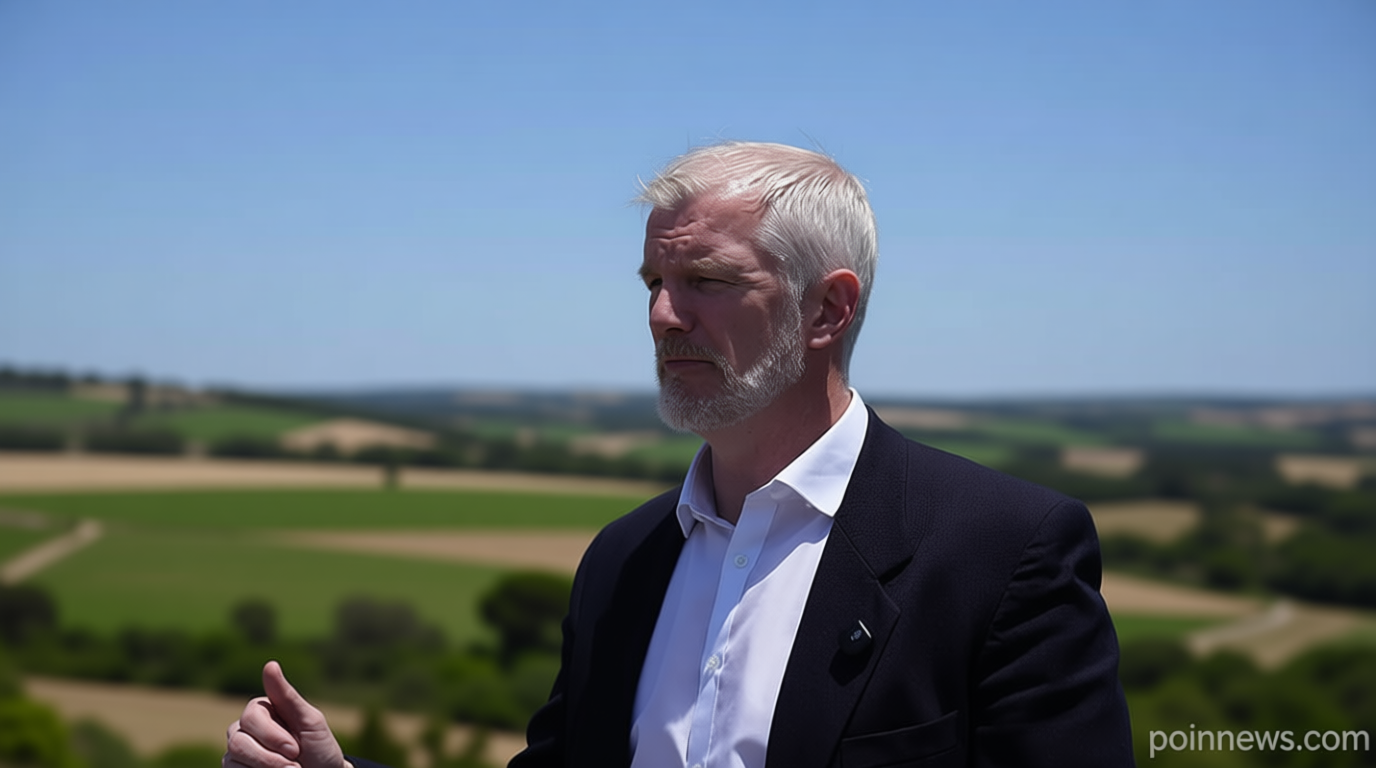
Moldovan prime minister Alexandru Munteanu resigns after eight months in office
Moldovan Prime Minister Alexandru Munteanu Resigns Amid Reforms and Corruption Scrutiny Moldovan prime minister Alexandru Munteanu resigns - On July 3, 2026

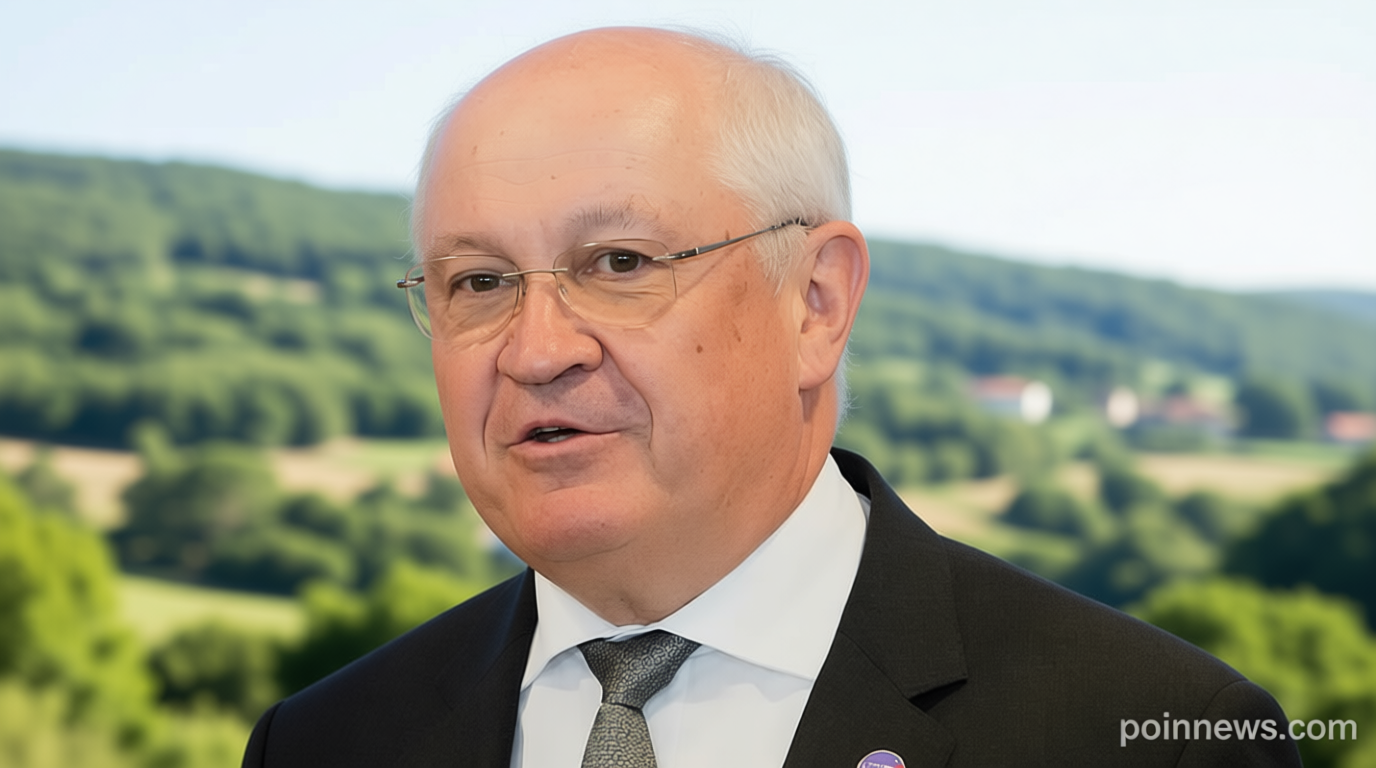
Moldovan Prime Minister Alexandru Munteanu Resigns Amid Reforms and Corruption Scrutiny
Poinews.com – On July 3, 2026, Moldovan Prime Minister Alexandru Munteanu announced his resignation after eight months in office, marking a pivotal moment in the country’s political landscape. His decision to step down came as part of a broader debate over leadership accountability, EU integration progress, and the ongoing scrutiny of corruption within Moldova’s government. Munteanu, who took office in November 2025, cited a conflict between his leadership and personal values as the primary reason for his departure, emphasizing his commitment to transparency and reform. This move has sparked discussions about the future direction of Moldova’s policies and the implications of his resignation on the nation’s path toward European Union membership.
Reasons Behind the Resignation
Munteanu’s resignation statement, shared on social media, highlighted his belief that he could no longer align his governance with his moral principles. “I accepted the responsibility of serving as Moldovan prime minister Alexandru Munteanu with a deep sense of duty and the firm conviction that I could help bring about positive change,” he wrote. “The moment I realized that I could no longer carry out my mandate in accordance with my principles and convictions, I chose to step down.” His departure follows months of intense scrutiny over the government’s handling of corruption cases, particularly those involving MoldATSA, the state-owned air navigation service. Critics have accused the agency of awarding excessive pay packages to its executives, which Munteanu’s administration was initially linked to.
“I accepted the responsibility of serving as Moldovan prime minister Alexandru Munteanu with a deep sense of duty and the firm conviction that I could help bring about positive change,” Munteanu wrote in a social media post. “The moment I realized that I could no longer carry out my mandate in accordance with my principles and convictions, I chose to step down.”
His resignation also comes amid debates over his leadership style and the effectiveness of his policies. While Munteanu was known for his pro-EU stance and efforts to streamline public administration, some political analysts argue that his tenure was marked by internal conflicts and a lack of consensus on key reforms. His decision to resign may signal a shift in priorities, with the next government expected to focus on maintaining momentum in EU accession talks while addressing systemic issues within state institutions.
Presidential Response and Political Context
Moldova’s President Maia Sandu swiftly acknowledged Munteanu’s resignation, expressing support for his contributions to the country’s development. “Moldova’s path remains unchanged: reforms and EU accession,” Sandu stated in a subsequent X post, underscoring her commitment to the nation’s strategic goals. However, she also addressed rumors that Munteanu had resigned under external pressure, clarifying that he had “a free hand to lead the government as he saw fit.” Sandu’s reassurance aimed to reassure the public that the political process would continue without disruption, despite the internal tensions that led to Munteanu’s exit.
“The Prime Minister had a free hand to lead the government as he saw fit,” Sandu told reporters. “The moment I realized that I could no longer carry out my mandate in accordance with my principles and convictions, I chose to step down.”
The resignation highlights the complex dynamics within Moldova’s political system. Munteanu’s brief tenure as Prime Minister was characterized by efforts to modernize public services and reduce bureaucratic inefficiencies. However, his approach also faced criticism from opposition parties, who argued that his leadership was too centrist and failed to address deep-seated corruption in the country’s financial and administrative sectors. Analysts suggest that the decision to resign reflects a strategic move to avoid further political fallout while allowing for a smoother transition to new leadership.
Legacy and Future Implications
Munteanu’s career prior to his political role included significant contributions to Moldova’s financial sector. As a former executive at the National Bank of Moldova and a co-founder of 4i Capital Partners, an investment firm operating in Moldova, Ukraine, and Belarus, he was well-versed in economic policy and private sector collaboration. His resignation has raised questions about the continuity of his reforms and the potential impact on Moldova’s economic stability. Political observers note that his departure could lead to a power vacuum, but it may also create opportunities for new leaders to prioritize EU alignment and anti-corruption measures.
“Munteanu’s tenure as Moldovan prime minister Alexandru