River cruise boom: why holidays on the water are trending
om: why holidays on the water are trending River cruise boom - Over the past few years, the cruise industry has evolved beyond traditional ocean voyages, with

River cruise boom: why holidays on the water are trending
Poinews.com – Over the past few years, the cruise industry has evolved beyond traditional ocean voyages, with river travel gaining significant traction. Travelers appreciate the ability to explore multiple locations without the hassle of frequent hotel changes, as onboard accommodations streamline logistics and budgets. This growing interest has extended to both coastal and inland waterways, and the trend shows no signs of slowing in 2026.
Europe’s Waterway Appeal
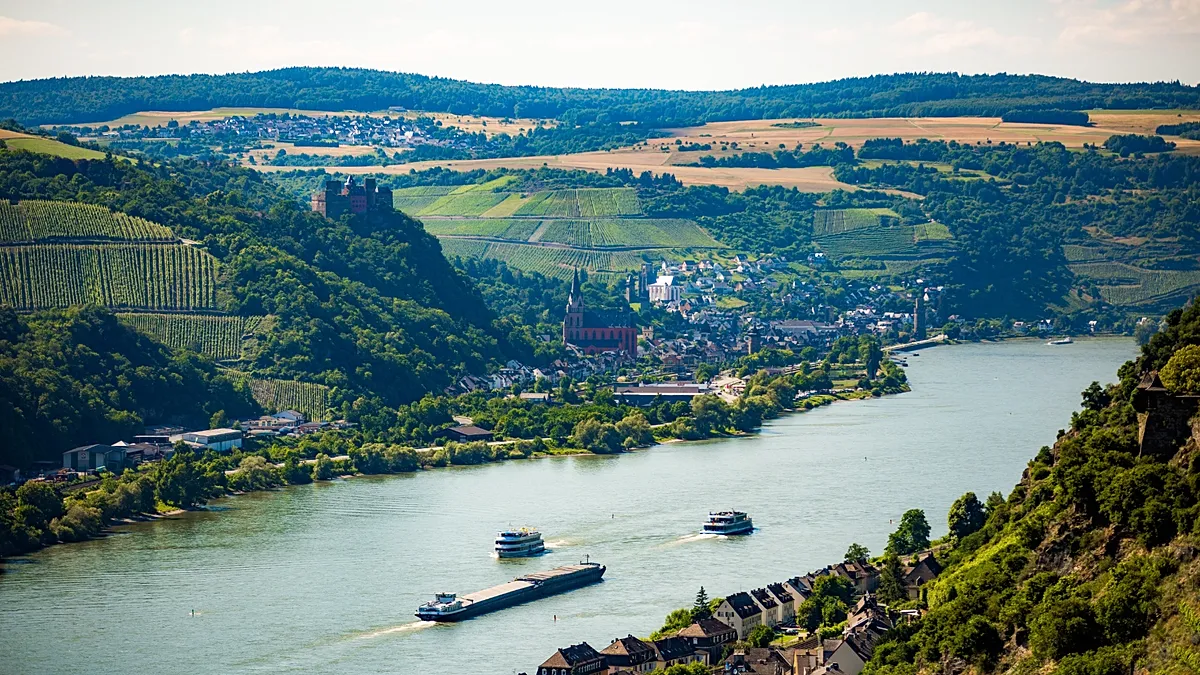
According to a recent study by IG RiverCruise, Europe’s river cruise sector attracted 1.39 million passengers in 2024, generating over 3.5 billion euros in revenue and nearly 10 million overnight stays. The analysis spans 358 vessels operating across major European rivers. While the Rhine and its tributaries remain the most popular routes, the Danube, French waterways, and the Nile are also experiencing notable growth.
Benjamin Krumpen, head of the German Travel Association’s cruise committee, highlighted the sector’s momentum: “River cruising continues to show very positive development and, together with ocean cruising, remains an important growth driver for the travel industry.” This expansion has drawn attention from international visitors, who often associate the Rhine with Germany’s cultural and historical identity. The Middle Rhine Valley, recognized for its UNESCO status, is particularly sought after for its castles, vineyards, and the iconic Lorelei rock.
Infrastructure and Opportunities
The A-ROSA Flussschiff company, a key player in European river tourism, emphasized the appeal of relaxed pace and diverse itineraries. These factors have broadened the market’s appeal, attracting younger travelers and moving it from a niche offering to a mainstream choice. However, the sector’s rapid growth has also exposed infrastructure gaps.
In Weil am Rhein, a local port authority is pushing to expand its capabilities by allowing passenger ships to dock. Two new berths are set for completion, which could eventually accommodate up to 15 vessels weekly. This development promises to boost regional tourism, enabling excursions to nearby attractions like the Black Forest or Switzerland. Yet, it also underscores the need for improved facilities across inland waterways.
“Infrastructure development in many places cannot keep pace with the growth of the sector and its requirements,” Krumpen added. Technical delays and outdated facilities often disrupt planning for cruise operators and passengers alike. The association warns that insufficient investment could lead to operators shifting focus to other European cruising regions.
While growth is promising, the DRV stresses that sustainable expansion depends on seamless integration with existing systems. As TUI River Cruises, part of the TUI Group, notes, the challenge lies in balancing development with practicality. This evolving landscape highlights how river cruises are not just about leisure—they’re also shaping the future of travel infrastructure.