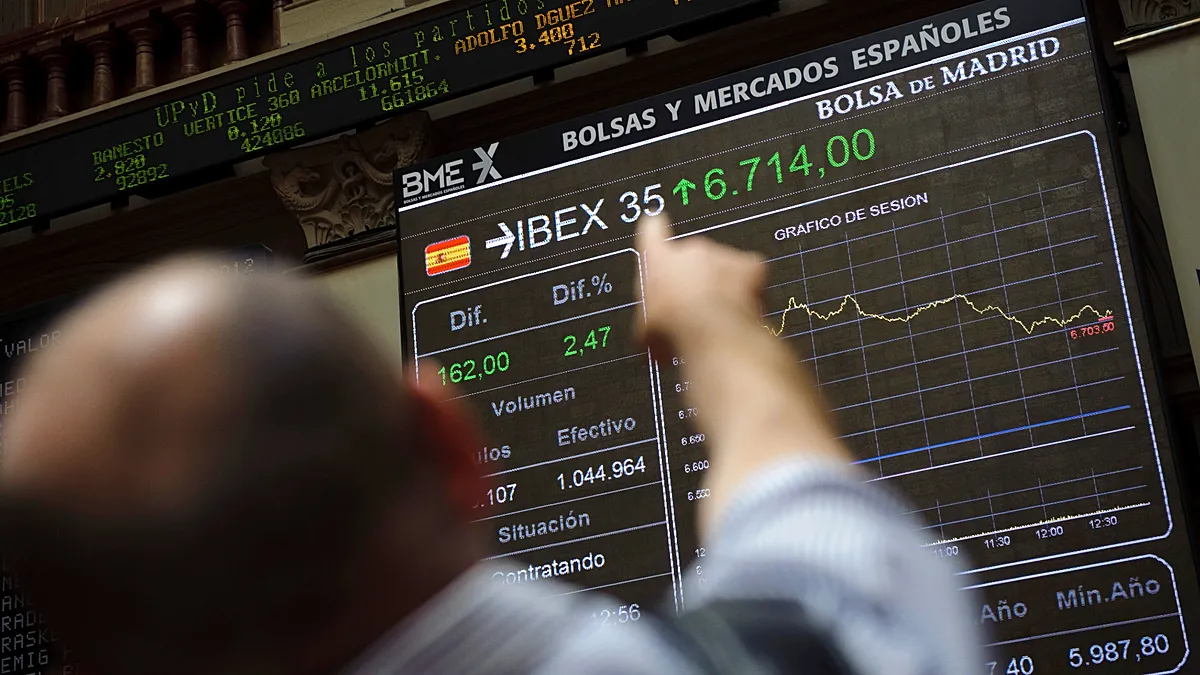
China’s economic growth hits slowest pace in more than three years
Than Three Years China s economic growth hits slowest - China's economic growth hits a historic low, with official data from the second quarter of 2026

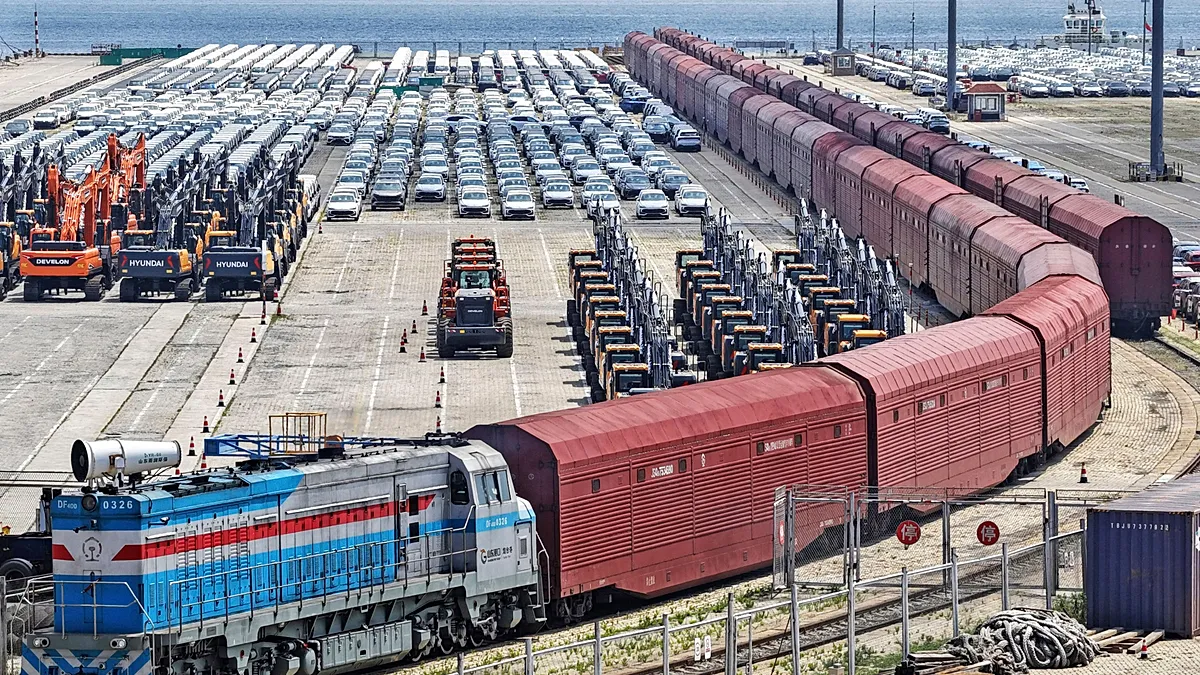
Table of Contents
China’s Economic Growth Hits Slowest Pace in More Than Three Years
Poinews.com – China’s economic growth hits a historic low, with official data from the second quarter of 2026 revealing a year-on-year expansion rate of 4.3%. This marks the weakest quarterly performance since the lockdown-driven fourth quarter of 2022, highlighting a significant slowdown in the country’s economic trajectory. The National Bureau of Statistics reported the figure, raising questions about the sustainability of China’s growth model amid shifting global dynamics and domestic challenges.
Factors Behind the Deceleration
Despite a surge in exports—driven by the AI industry and rising demand for Chinese electric vehicles—the overall growth rate still fell short of expectations. Exports saw a 17.6% increase in the first half of 2026, with June alone recording a 27% jump compared to the same period in 2025. However, this growth did not translate into a stronger overall economic performance, as other key sectors struggled to keep pace. The disparity between export strength and domestic demand has become a central concern for analysts and policymakers.
Consumer Spending and Industrial Output
Consumer spending showed modest resilience, with retail sales rising 1.0% in June, a rebound from a 2.5% decline in May. While this suggests some recovery in consumer confidence, the demand for durable goods like cars remained weak, indicating a lack of broader economic momentum. Meanwhile, industrial output exceeded forecasts, growing 5.3% year-on-year in June, fueled by heightened manufacturing activity and government stimulus efforts. This mixed performance underscores the complex nature of China’s economic slowdown.
“The slowest growth in any quarter since the lockdown period in 2022 highlights a structural shift in China’s economy,” remarked Lynn Song, chief economist at ING Bank. “With traditional sectors facing headwinds, the reliance on high-tech exports may not be enough to sustain long-term growth.”
Analysts are also pointing to the growing imbalance in China’s economic sectors as a critical issue. State subsidies for high-tech industries such as semiconductors and robotics have been diverting resources away from traditional manufacturing and service sectors. This has sparked debates about whether the focus on innovation is fostering sustainable development or creating vulnerabilities in other parts of the economy. The trend has raised concerns about employment, as automation threatens to reduce jobs in lower-value industries.
Trade Surplus and Global Implications
China’s trade surplus reached a record $1.2 trillion in 2025, driven by state support for export-oriented industries. While this surplus reflects strong production capacity and global demand for Chinese goods, it has drawn scrutiny from international policymakers. Some argue that the focus on exports has exacerbated trade tensions and created an uneven playing field for other economies. The surplus also highlights a mismatch between China’s supply capabilities and domestic demand, a problem that remains unresolved.
For 2026, Chinese leaders have set a growth target of 4.5% to 5%, slightly below the 5% growth recorded in 2025. The first half of the year achieved a 4.7% growth rate, which is close to the target but still signals a broader trend of moderation. The International Monetary Fund (IMF) recently revised its 2026 growth forecast to 4.6%, projecting 4.1% for 2027. These adjustments reflect growing uncertainty about China’s ability to maintain momentum in the face of structural and external pressures.
Wei Li, head of Multi-Asset Investments at BNP Paribas Securities (China), described the economic landscape as undergoing a “major transformation.” While high-tech industries continue to drive innovation and exports, the challenge lies in stimulating domestic demand to ensure balanced growth. The government is now exploring measures to boost consumer spending, such as tax incentives and infrastructure investment, to counteract the slowdown and maintain economic stability.