Tashkent turns 120 investor proposals into economic reform roadmap
Tashkent Turns 120 Investor Proposals into Economic Reform Roadmap Tashkent turns 120 investor proposals into - Uzbekistan has transformed 120 investor

Tashkent Turns 120 Investor Proposals into Economic Reform Roadmap
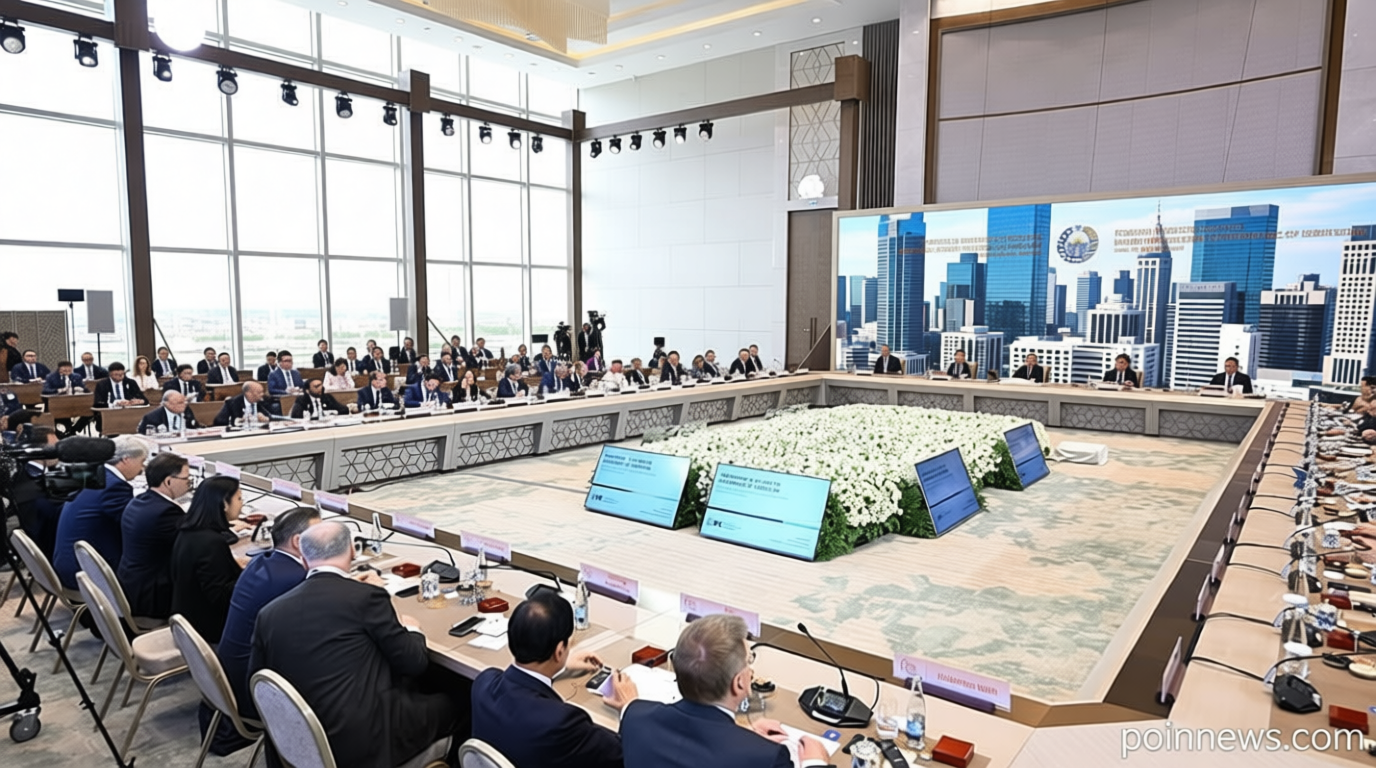
Poinews.com – Uzbekistan has transformed 120 investor proposals into a comprehensive economic reform roadmap, signaling a strategic shift to align its policies with global market demands. At the closing of the Tashkent International Investment Forum, the government unveiled a plan that integrates feedback from international stakeholders to modernize key sectors and enhance investor confidence. This initiative, which drew participation from over 85 firms representing 23 industries, underscores Tashkent’s commitment to fostering a stable and predictable business environment. By incorporating these 120 investor proposals, Uzbekistan aims to address critical challenges in areas such as financial regulation, energy efficiency, and digital transformation.
Key Sectors Identified for Reform
The reform agenda was shaped by a wide range of insights from foreign investors, covering critical areas like banking, energy, and technology. Officials emphasized that the government will prioritize the implementation of these proposals to create a more transparent and competitive framework. For instance, in the banking sector, discussions centered on streamlining regulatory processes and improving financial transparency. Meanwhile, energy reforms included plans to modernize infrastructure and promote renewable energy sources, reflecting the growing interest in sustainable development. The proposals also highlighted the need for advancements in artificial intelligence and data management to support long-term economic growth.
President Shavkat Mirziyoyev reiterated that the 120 investor proposals will serve as a foundation for future policy decisions. He pointed to the progress already made in updating tax laws and corporate reporting standards, which were directly influenced by investor input. These changes are expected to attract more foreign direct investment and position Uzbekistan as a more attractive destination for multinational enterprises. Additionally, the reform roadmap includes measures to strengthen capital markets and improve governance structures, ensuring alignment with international best practices.
International Collaboration and Institutional Support
The expansion of the Foreign Investors Council from 54 to 85 member firms has played a pivotal role in refining the reform plan. The council now includes representatives from prominent financial institutions such as the European Bank for Reconstruction and Development (EBRD), the Asian Development Bank, and the International Finance Corporation. This collaboration has enabled Uzbekistan to access global expertise, particularly in shaping its financial regulations and infrastructure development strategies. Discussions also focused on the establishment of the Tashkent International Financial Centre, which will act as a hub for financial innovation and regulatory coordination.
During the forum, Uzbekistan took a significant step toward integrating into global economic frameworks by initiating its membership in the OECD Declaration on International Investment and Multinational Enterprises. This move reflects the country’s ambition to harmonize its investment policies with international standards. The EBRD, which has a $7 billion partnership portfolio with Uzbekistan, reiterated its support for the nation’s growth trajectory, highlighting its role as a key player in Central Asia’s economic development. These institutional partnerships are expected to accelerate the implementation of the 120 investor proposals and ensure sustainable progress.
Strengthening Legal Frameworks for Investor Trust
A central theme of the reform roadmap is the enhancement of legal certainty, a major concern raised by international firms. Eduards Stiprais, the EU’s Special Representative for Central Asia, stressed that the frequent changes in legislation have created uncertainty for businesses. He noted that companies often cite inconsistent regulatory frameworks as a barrier to long-term investments. To address this, the government has committed to stabilizing legal processes and improving the efficiency of independent courts, which are essential for resolving disputes and enforcing contracts.
“The 120 investor proposals emphasize the need for a robust legal system that ensures predictability and fairness,” Stiprais remarked. He further highlighted that reliable legal structures are critical for attracting capital and fostering trust in Uzbekistan’s business environment.
Julia Hoggett, CEO of the London Stock Exchange, underscored that investors evaluate emerging markets based on stability and regulatory consistency. She stated, “What investors truly want is assurance that their investments are secure and that returns will materialize.” The reforms, including updated corporate governance standards and transparent reporting mechanisms, are designed to meet these expectations. As the forum concluded, the dialogue highlighted the growing influence of global investors in shaping Uzbekistan’s economic future.
Future-Proofing the Economy with AI and Innovation
Artificial intelligence emerged as a key focus area in the investor proposals, with experts urging Uzbekistan to embrace technological advancements for long-term growth. Benedict Macon-Cooney, a policy analyst, argued that nations must not only adopt AI technologies but also invest in infrastructure to support their integration. He explained, “Companies treat data as a competitive asset, while countries should view it as a strategic resource.” This perspective aligns with the government’s plans to leverage AI in improving public services, optimizing supply chains, and enhancing economic efficiency.
The reform roadmap also includes initiatives to strengthen the digital economy, such as improving internet connectivity and promoting tech startups. These measures are part of a broader strategy to position Uzbekistan as a leader in innovation and attract investment in high-tech industries. By incorporating AI into its economic strategy, the country aims to create a more resilient and adaptive economy, capable of meeting future challenges while maintaining stability and growth.
Looking Ahead: A Path to Sustainable Development
As the Tashkent International Investment Forum draws to a close, the government has set a clear path for implementing the 120 investor proposals. These reforms are not just about immediate economic gains but also about building a sustainable foundation for long-term development. President Mirziyoyev emphasized that the success of these initiatives will depend on continuous dialogue with international stakeholders and the ability to adapt to evolving market needs. With the support of development banks and financial entities, Uzbekistan is poised to achieve its economic goals and solidify its position as a regional leader.