Trump administration refunds $100 billion in “Liberation Day” tariffs
Under the direction of President Donald Trump, American enterprises are receiving substantial financial relief as customs authorities process approximately

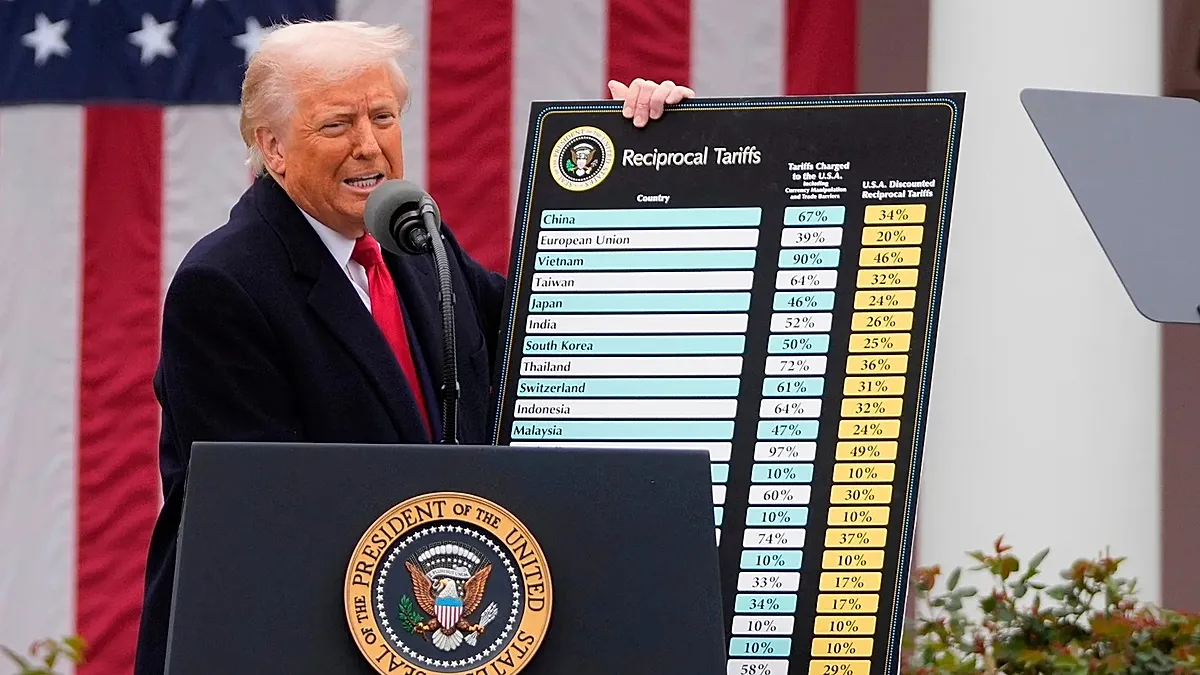
Table of Contents
Customs Officials Return $100 Billion to Businesses Following Tariff Refund Initiative
Poinews.com – Under the direction of President Donald Trump, American enterprises are receiving substantial financial relief as customs authorities process approximately $100 billion in tariff reimbursements. The Trump administration refunds 100 billion in Liberation Day duties, representing roughly 60 percent of all revenue gathered through this particular program, according to documentation recently submitted to courts by US Customs and Border Protection. This landmark decision marks one of the largest single refund operations in American trade history, providing critical cash flow to businesses that have been waiting months for resolution.
Financial Times reports indicate that total collections under the Liberation Day framework now stand at $165 billion. Nevertheless, trade regulators continue examining nearly $29 billion in potential returns, while an additional $1.6 billion remains unprocessed because certain importers failed to provide necessary banking information. The complexity of these calculations stems from the sheer volume of transactions involved, with customs officials working through millions of individual shipment records to ensure accurate reimbursement amounts for each qualifying business.
Legal Challenges Prompt Widespread Refunds
The refund mechanism gained momentum following a February decision by the US Supreme Court, which determined that the president exceeded congressional authority when implementing these import taxes. The court found that Trump lacked constitutional power to levy such charges under the International Emergency Economic Powers Act, commonly known as IEEPA. This landmark ruling created the legal foundation for the massive refund program that has since been implemented across multiple ports of entry throughout the United States.
Enacted in 1977, this legislation empowers the executive branch to manage commerce during periods of crisis. However, the statute offers no precise definition of what qualifies as an emergency. Instead, it grants the president considerable latitude under 50 U.S.C. § 1701 to declare national emergencies whenever an “unusual and extraordinary threat” emerges, provided the danger originates abroad and potentially jeopardizes either national security or economic stability. Legal experts note that this ambiguity has been central to ongoing debates about presidential trade powers.
Businesses File Claims Through New Portal
In April, a dedicated online platform opened for American companies seeking reimbursement for what they characterized as unlawfully imposed duties. By that time, importers representing more than 330,000 entities had submitted approximately $127 billion in eligible claims, including accrued interest. These applications covered over 53 million shipments according to Associated Press data, against a total of $166 billion in duties already collected. The digital submission system has streamlined what would otherwise have been an overwhelming manual process for customs officials.
While the Supreme Court ruling established that IEEPA did not authorize tariff imposition, the law’s vague parameters have allowed the administration to continue relying heavily on import taxes as both an economic tool and diplomatic lever. This approach has generated considerable frustration among domestic enterprises, which bear the financial burden rather than foreign exporters or overseas governments. Many industry groups have called for clearer legislative guidance to prevent similar legal challenges in the future.
Companies Pass Savings to Consumers
For years, American businesses have absorbed these costs and subsequently transferred them to shoppers through elevated retail pricing. Some corporations have chosen to redirect portions of their refund payments toward customer benefits. Amazon, for instance, has secured approximately $600 million in reimbursements and elected to use part of those funds to reduce store prices. Such decisions remain voluntary and are not required under existing customs regulations, though consumer advocacy groups have encouraged companies to share these windfalls with shoppers.
Despite receiving billions in returns, the Trump administration has maintained its aggressive tariff posture. Recent actions include a 50 percent levy on Canadian goods and fresh duties targeting 60 trading partners, justified by allegations that these nations have not sufficiently addressed forced labor concerns. Trade analysts suggest that while the refund program addresses past overreach, future trade policy may need to balance executive authority with congressional oversight to avoid repeated legal challenges.
Frequently Asked Questions
How long will the tariff refund process continue? Customs officials estimate that processing all pending claims will extend through late 2026, with priority given to businesses that submitted applications before the April deadline.
Which industries benefit most from the refunds? Manufacturing and retail sectors have received the largest share of reimbursements, with automotive and electronics companies among the top recipients.
Do foreign exporters receive any portion of the refunds? No, the refunds go directly to American importers and businesses that paid the duties, though some companies have voluntarily shared savings with international suppliers.
Will new tariffs be implemented while refunds are processed? Yes, the administration continues to impose fresh duties on select trading partners even as it distributes billions in refunds to domestic businesses.