Spain praises public education but slashes nearly €309m from its funding for Presidency staff pay
Praises Public Education But Slashes €309M in Staff Pay Funding Spain praises public education but slashes — a bold move that has sparked debate over the

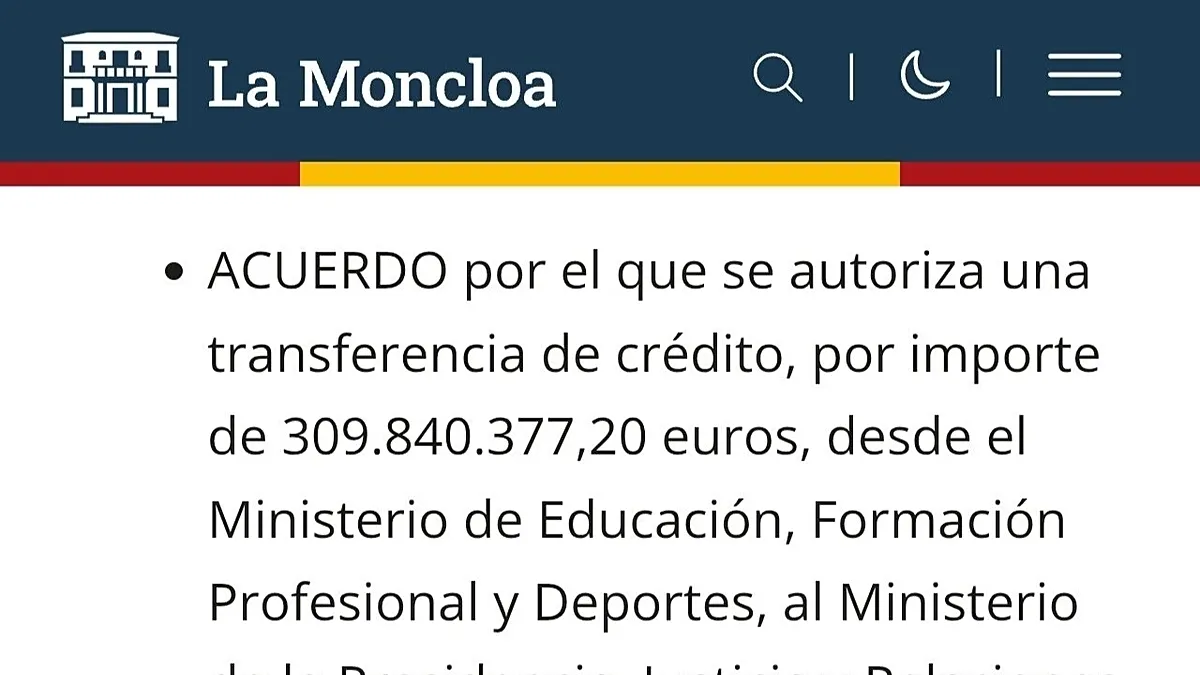
Spain Praises Public Education But Slashes €309M in Staff Pay Funding
Poinews.com – Spain praises public education but slashes — a bold move that has sparked debate over the allocation of resources within the government. On July 14, the Spanish government announced a significant reallocation of over €309.84 million from the Ministry of Education, Vocational Training, and Sport to the Ministry of the Presidency, Justice, and Relations with Parliament. This decision, made during the Council of Ministers meeting, was part of an effort to address rising staff costs in the presidency department, led by Félix Bolaños, while maintaining public education as a national priority. However, the transfer has raised questions about the balance between administrative expenses and long-term educational investment.
Funding Shifts and Operational Priorities
The redirected funds are intended to cover critical operational costs, including salaries, social security contributions, and incremental payments for civil servants in the presidency ministry. Unlike targeted educational investments, these expenses are general administrative costs, reflecting the government’s strategy to streamline spending across departments. This shift follows a trend of budget adjustments, with previous allocations from the education ministry under Pilar Alegría being used to support Justice-related initiatives. The decision underscores the ongoing need to manage financial constraints without formal parliamentary approval.
“The focus on immediate staff cost reductions is understandable, but it highlights a broader challenge: how to sustain public education funding without a comprehensive budget update,” remarked an economic analyst.
The Ministry of the Presidency, Justice, and Relations with Parliament currently allocates over 73% of its regular budget to staff salaries, a figure that has grown due to inflation and wage increases. With public-sector wages rising, the ministry’s expenses have become a significant portion of the overall state budget. By redirecting funds from education, the government aims to stabilize this allocation, but critics argue it may undermine the very system it claims to support.
Political Rhetoric vs. Fiscal Realities
Spain praises public education as a cornerstone of social equity, yet the recent funding cut signals a pragmatic shift in priorities. The Ministry of Education, currently headed by Milagros Tolón, has announced over €31 million in allocations for vocational training and European recovery projects, a move that aligns with its commitment to modernizing the education sector. However, the simultaneous reduction of €309 million for presidency staff pay has created a stark contrast between policy promises and budgetary actions.
Opposition parties have criticized the move as contradictory, pointing to the government’s public emphasis on education while cutting funds from its own operational budget. “This transfer demonstrates a lack of coherence in the administration’s fiscal strategy,” said a spokesperson from the opposition. “Public education is hailed as a priority, yet its funding is being redirected to support administrative needs.” The debate has intensified as the 2026 budget remains pending, leaving ministries to adapt to outdated financial frameworks.
“Without a new budget, we’re forced to make tough choices that may not align with long-term goals,” added a senior official.
The implications of the €309 million cut extend beyond immediate staff pay adjustments. Education experts warn that reduced funding could affect the quality of teaching, infrastructure maintenance, and student support programs. While the government argues that this reallocation ensures stability in the presidency department, the potential impact on public education’s development remains a concern. The situation also highlights the strain on the 2023 budget, which has been stretched across three years without revision.
Broader Impacts on Public Services
The funding shift reflects a growing trend of interdepartmental resource redistribution, a practice that has become more common as Spain grapples with financial pressures. Public education, a sector historically seen as a symbol of national progress, now faces the risk of being overshadowed by administrative priorities. With the Ministry of Education’s budget slashed, there is fear that long-term projects, such as digital transformation and teacher training, may be deprioritized in favor of short-term cost management.
Meanwhile, the presidency ministry’s staff pay adjustments are part of a larger effort to contain public-sector costs. While the move may help reduce inflationary pressures in the short term, it could also affect morale and efficiency among government employees. “The government’s decision to prioritize staff pay in the presidency department may lead to a more stable administrative function, but at what cost to education?” asked a policy expert. The challenge lies in maintaining both operational efficiency and strategic investment in key sectors.
“The 2026 budget will be crucial in determining whether this reallocation is a temporary fix or a long-term shift in priorities,” said a fiscal policy analyst.
Public Reaction and Future Outlook
Public reaction to the funding cut has been mixed. While some citizens support the government’s efforts to streamline expenses, educators and parents have expressed concern over the potential impact on educational quality. “We need to ensure that public education remains accessible and high-quality, not just a political tool,” said a teacher’s union representative. The Ministry of Education has promised to compensate for the loss by reallocating funds from other areas, but the extent of these adjustments remains unclear.
As the 2026 budget is finalized, the government will need to address these concerns and demonstrate a clear plan for balancing priorities. The decision to slash €309 million from education funding, while praising its importance, has placed the administration under scrutiny. With Spain’s economy still navigating challenges, the challenge is to maintain public education’s momentum without compromising other essential services. The outcome of this fiscal balancing act will shape the nation’s educational landscape for years to come.