Goose flock behind crash of Siemens CEO’s family in New York
emens CEO's Family in New York Goose flock behind crash of Siemens - On a seemingly routine morning in New York City, a tragic incident unfolded that would

Goose Flock Behind Crash of Siemens CEO’s Family in New York
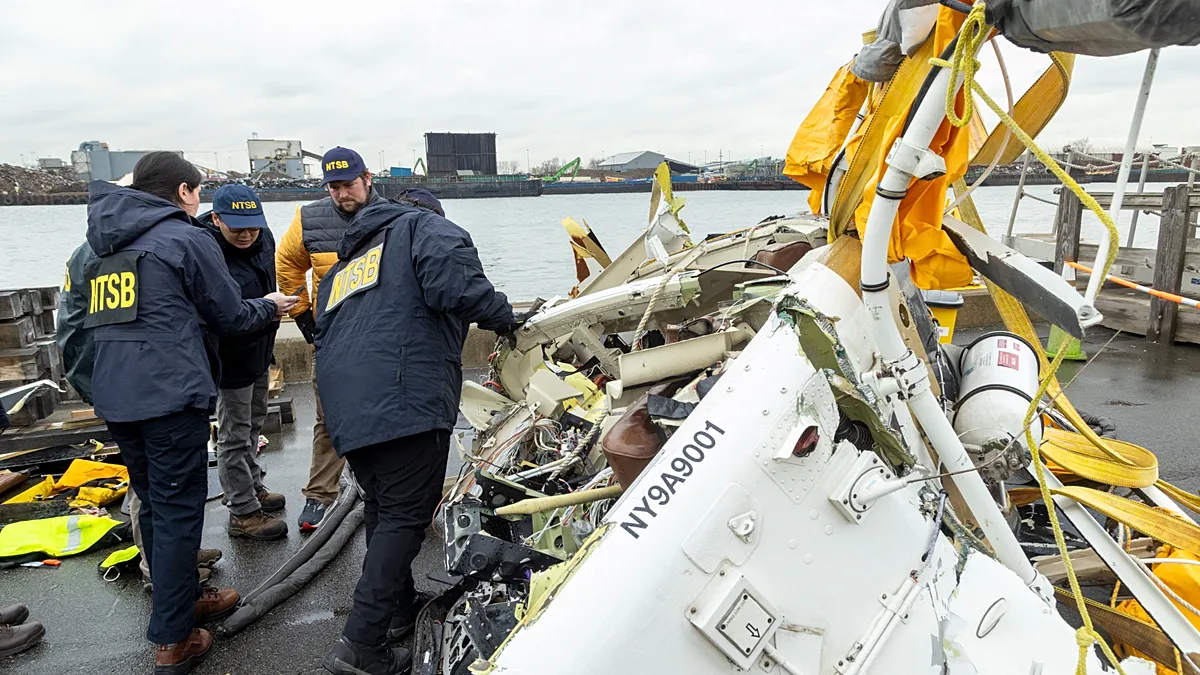
Poinews.com – On a seemingly routine morning in New York City, a tragic incident unfolded that would leave a lasting impact on the Siemens family. Less than an hour before their departure, Agustín Escobar, the head of Siemens’ Spanish division, along with his wife and their three children—aged 11, 7, and 4—were captured in a final family portrait. Moments later, the group plummeted into the icy waters of the Hudson River. A year after the crash, the US National Transportation Safety Board (NTSB) released its investigation report, confirming that remnants of multiple geese were found embedded in the helicopter’s rotor blades, pointing to a collision as a key factor in the disaster.
The Uncommon Danger of Goose Flocks
While bird strikes are a well-known hazard in aviation, incidents involving large flocks of geese are relatively rare. However, when they do occur, the consequences can be devastating. The NTSB report detailed how the helicopter, which was flying at a low altitude near the city’s skyline, encountered a sudden flock of geese. The collision, described as “a high-impact bird strike,” caused the helicopter to lose control and crash. Investigators emphasized that such events are often unpredictable, making them a critical area of focus for aviation safety experts. The focus keyword, goose flock behind crash of Siemens, highlights the unique role these birds played in the Siemens family tragedy.
The Human Toll of the Incident
The crash resulted in the loss of four lives immediately upon impact, with two additional family members succumbing to their injuries in the hospital. The victims included Escobar, his wife, and all three children. Police confirmed that the helicopter pilot, who was also on board, survived the initial crash but later passed away from severe trauma. The tragedy shocked the aviation community and the public, as it was the first time a Siemens executive had been involved in such an accident. The NTSB investigation revealed that the geese collision was the primary cause, underscoring the importance of understanding and mitigating such risks, especially for high-profile individuals.
According to the NTSB report, the helicopter’s rotor blades showed clear evidence of multiple goose collisions, leading to a loss of lift and subsequent crash.
The incident has sparked renewed discussions about aviation safety measures in urban areas. Experts note that geese are particularly dangerous due to their size and speed, which can cause catastrophic damage to aircraft. While anti-icing systems and bird detection technologies are in use, the Siemens family tragedy serves as a stark reminder of the limitations of current safeguards. The focus keyword, goose flock behind crash of Siemens, encapsulates the central theme of the event, which has since become a case study in aviation risk management.
Legacy of the Siemens Family Tragedy
In the aftermath of the crash, the Siemens family’s legacy was both honored and scrutinized. The event not only highlighted the vulnerability of even the most prepared individuals to nature’s unpredictable forces but also prompted aviation authorities to review safety protocols. The NTSB’s findings, which pointed to the goose flock as the main cause, have been cited in training programs and policy updates aimed at preventing similar incidents. The focus keyword, goose flock behind crash of Siemens, continues to be referenced in analyses of the crash, ensuring its relevance in both technical and public discourse.