Nine EU countries rebel against EU’s green targets for corporate cars and vans
Nine EU Countries Rebel Against EU's Green Targets for Corporate Cars and Vans Nine EU countries rebel against EU s - Nine EU countries have rebelled against

Nine EU Countries Rebel Against EU’s Green Targets for Corporate Cars and Vans
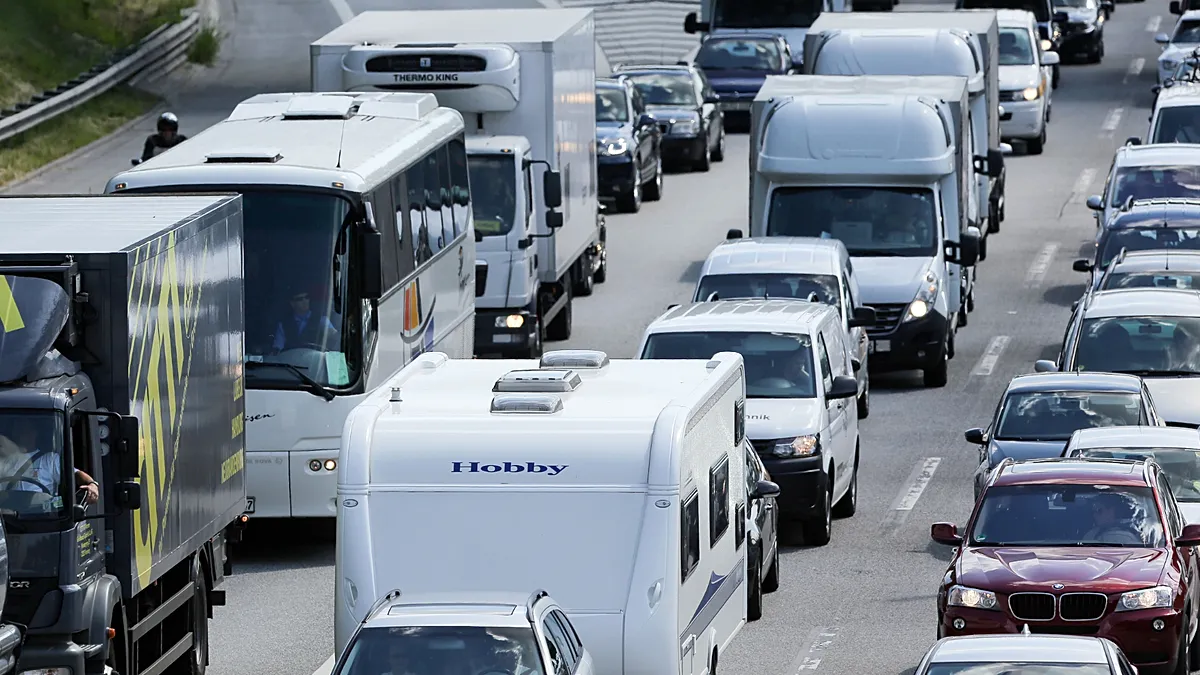
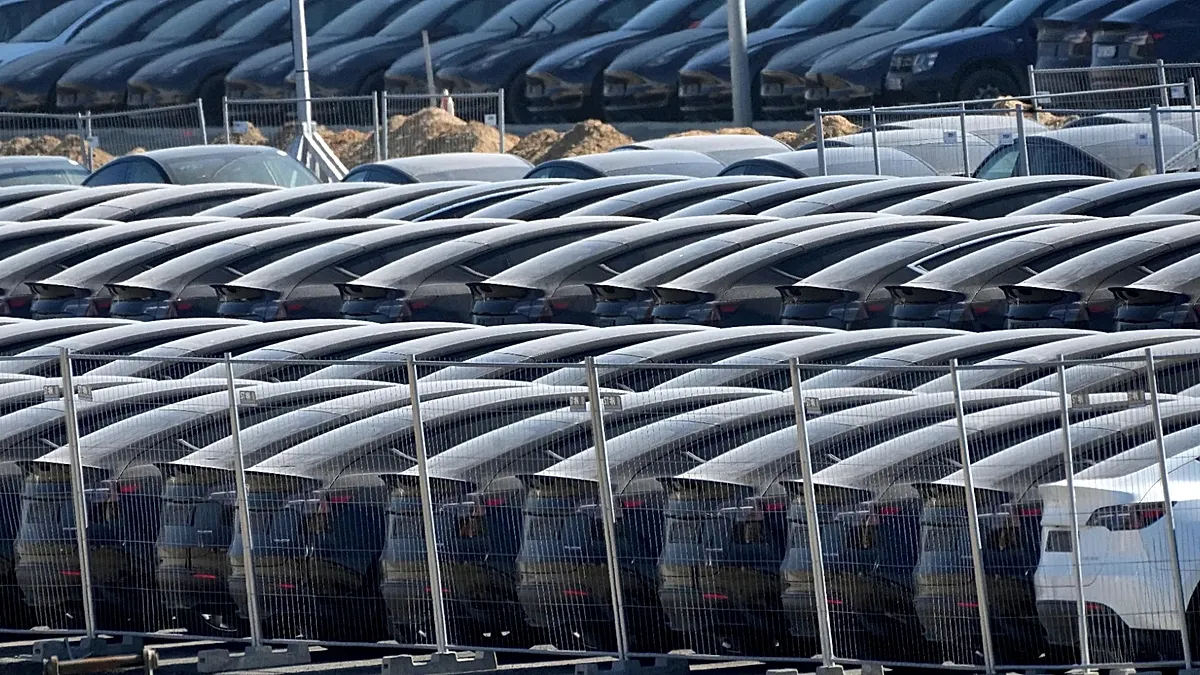
Poinews.com – Nine EU countries have rebelled against the European Commission’s ambitious green targets for corporate cars and vans, as revealed in a leaked document by Euronews. The coalition, led by Poland and including Bulgaria, the Czech Republic, Estonia, Hungary, Italy, Latvia, Slovakia, and Romania, argues that the proposed regulations will unfairly burden businesses and slow progress in the transition to cleaner transport. The targets, set for 2030, require 69% of new corporate vehicles to be plug-in hybrids and 45% to be battery-electric or hydrogen-powered, creating a complex landscape of obligations for companies with over 250 employees or €50 million in annual turnover.
Rebellion Over Environmental Quotas
The nine nations are united in their opposition to the binding quotas, which they claim fail to account for regional differences in infrastructure and market maturity. While the EU aims to reduce oil dependency and lower emissions, these countries believe the targets are too rigid for a diverse bloc. They emphasize that corporate fleets can still play a role in sustainability, but a more flexible framework is needed to ensure practical implementation. The document highlights the importance of adapting green policies to local conditions rather than imposing a one-size-fits-all solution.
Economic and Operational Concerns
The rebellion centers on the economic impact of the targets, particularly on small and medium-sized enterprises (SMEs). Many SMEs rely on leasing models rather than direct vehicle purchases, and the current legislation could shift the burden of compliance onto these businesses. The countries also stress that certain sectors—such as emergency services, public infrastructure, and logistics—require tailored flexibility to meet operational demands. Without adjustments, they argue, the EU’s green mandates risk creating obstacles rather than opportunities for sustainable growth.
“The EU’s fleets regulation is designed to create a uniform standard across all member states, but this approach overlooks the varying readiness levels of different countries,” the coalition stated. “A more adaptive strategy, combined with targeted incentives, would better support the transition to greener mobility.”
Industry Response and Market Readiness
Industry experts have weighed in on the debate, noting that electric vehicle adoption is still uneven across the EU. Transport & Environment (T&E), a European environmental group, highlighted that EVs remain more expensive than traditional models, with only 18 out of 27 EU nations offering significant tax incentives to offset the cost difference. The nine countries cite this as evidence that a regulatory push is premature without adequate financial support and infrastructure development. They also point to the need for updated leasing systems and charging networks to ensure the targets are achievable.
Global Implications and Geopolitical Tensions
The disagreement reflects broader tensions within the EU as it seeks to balance climate ambitions with economic resilience. With oil imports accounting for nearly 60% of the bloc’s total imports, the nine countries warn that overhauling corporate fleets too quickly could strain supply chains and increase costs. They argue that the current green targets may not align with the EU’s goals of maintaining economic stability amid global energy price fluctuations and geopolitical uncertainty. By advocating for a more gradual approach, the coalition aims to protect business interests while still contributing to environmental progress.
Call for Collaboration and Incentive-Driven Policy
In their document, the nine countries urge the EU to adopt a collaborative strategy that encourages rather than mandates green transitions. They propose a framework based on incentives, such as subsidies for electric vehicles, tax breaks for companies investing in sustainable fleets, and support for infrastructure upgrades. This approach, they believe, would foster innovation without compromising operational needs. By prioritizing flexibility, the coalition hopes to ensure that the EU’s climate goals remain achievable and inclusive for all member states, regardless of their current economic or technological capacity.
Broader Implications for EU Climate Strategy
The rebellion over corporate vehicle targets signals a growing debate about how best to achieve the EU’s environmental objectives. While the European Commission has pushed for stricter measures to reduce emissions, this push has faced resistance from nations concerned about the pace of change. The nine countries argue that a well-structured transition, supported by incentives and regional cooperation, will be more effective than binding quotas. Their stance highlights the need for a balanced approach that addresses both ecological and economic priorities in the EU’s climate strategy.