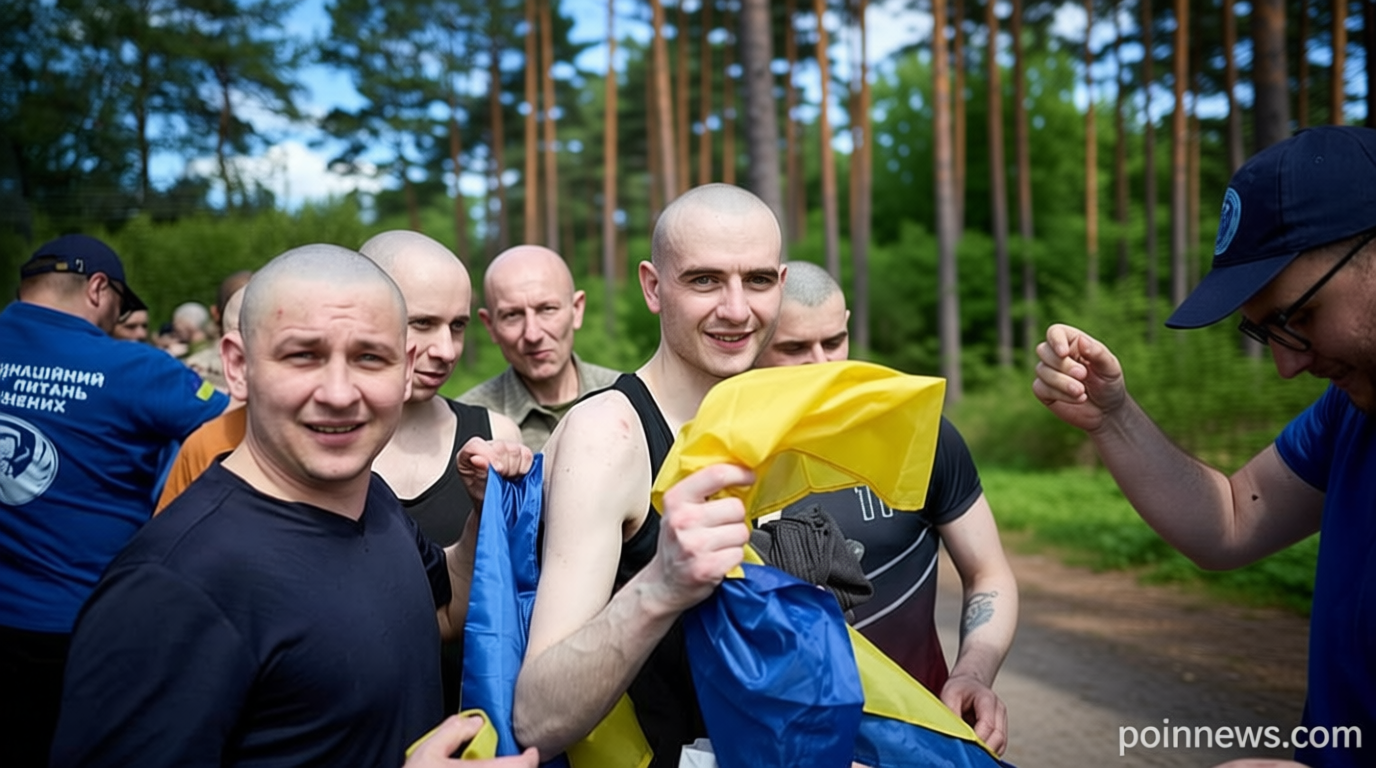
Russia and Ukraine swap 160 soldiers each in latest prisoner exchange
Russia and Ukraine Swap 160 Soldiers Each in Latest Prisoner Exchange Russia and Ukraine swap 160 soldiers - Amid the ongoing Russia-Ukraine conflict, a

Russia and Ukraine Swap 160 Soldiers Each in Latest Prisoner Exchange
Poinews.com – Amid the ongoing Russia-Ukraine conflict, a significant prisoner exchange took place, with both nations swapping 160 soldiers each in a coordinated effort to ease tensions. This agreement, the latest in a series of exchanges, highlights the persistent diplomatic efforts to address the human toll of the war. Ukrainian President Volodymyr Zelenskyy announced the deal through a social media post, emphasizing its importance as a step toward resolving the crisis and bringing captured troops back to their respective countries.
The History and Purpose of Prisoner Exchanges
Prisoner exchanges have long been a critical tool in managing the conflict, offering a rare moment of cooperation between Kyiv and Moscow. These agreements typically involve the release of captured soldiers in return for those held by the opposing side, often facilitated by neutral intermediaries. While the process is complex and requires careful negotiation, it serves as a vital means of maintaining morale among troops and reducing the number of prisoners held in captivity. The most recent exchange, involving 160 soldiers each, is part of this ongoing effort to balance military operations with diplomatic outreach.
We continue bringing Ukrainians home from Russian captivity. Today, 160 service members were released,” Zelenskyy wrote, noting that “all of them had been held captive since 2022.”
Logistics and Conditions of the Exchange
The details of the exchange reveal a meticulously planned operation. Ukrainian forces captured during the war’s escalation were returned to Russian territory, while their Russian counterparts were brought to Belarus for medical evaluation and recovery. This logistical arrangement underscores the challenges of managing prisoners in a conflict zone, where supply chains and communication lines are often disrupted. The involvement of Belarus as a temporary transit point adds an interesting dimension to the diplomacy, reflecting its strategic role in facilitating such agreements.
Russian officials confirmed the exchange, stating that the 160 troops released had been taken during the full-scale invasion that began over four years ago. The swap is seen as a way to acknowledge the suffering of soldiers on both sides and to demonstrate a willingness to engage in dialogue. However, the numbers involved—160 each—raise questions about the scale of the conflict and the ongoing need for such exchanges. Analysts suggest that this move may signal a shift in tactics, with both sides prioritizing the recovery of their personnel over immediate military advances.
The Role of Intermediaries in Negotiations
Abu Dhabi has remained a key player in these exchanges, acting as a neutral mediator between Kyiv and Moscow. The UAE’s involvement dates back to earlier agreements, such as the 205-person swap in May and the 314-person exchange in February, which have set a precedent for future negotiations. Other countries, including Turkey and Poland, have also played roles in facilitating these deals, highlighting the international community’s interest in de-escalating the war. The choice of intermediaries often reflects their geopolitical influence and ability to navigate the complex dynamics of the conflict.
The latest exchange is part of a broader trend of diplomatic engagement, even as the war continues to intensify. While the focus remains on the frontlines, where both sides have made significant territorial gains and losses, the prisoner swaps are a reminder that diplomacy can still play a role in managing the war. These exchanges not only help in recovering soldiers but also provide a platform for discussing broader issues, such as the humanitarian situation, the fate of civilians, and the potential for a ceasefire.
Impact on Military and Civilian Life
The prisoner exchange is expected to have a positive impact on both military and civilian morale. For Ukrainian forces, the return of 160 soldiers is a symbolic victory, reinforcing the government’s commitment to protecting its troops. Similarly, the release of Russian soldiers may help alleviate pressure on their families and highlight the shared experience of captivity. This gesture also provides an opportunity for both sides to showcase their ability to engage in meaningful dialogue, even amidst fierce combat.
As the war enters its fourth year, the human cost has become increasingly evident. Millions of civilians have been displaced, and thousands of soldiers have been captured or killed. The latest exchange involving 160 soldiers each is a small but significant step in addressing these losses. It may also encourage further negotiations, as both sides seek to reduce the number of prisoners held in captivity and find common ground on the war’s future direction. The success of this agreement could pave the way for larger peace talks, potentially leading to a more comprehensive resolution of the conflict.