Giorgia Meloni fires back at Trump’s ‘completely made-up claims’
Giorgia Meloni Fires Back at Trump's Fabricated Allegations Giorgia Meloni fires back at Trump - In a sharp rebuttal, Giorgia Meloni, the leader of Italy’s

Giorgia Meloni Fires Back at Trump’s Fabricated Allegations
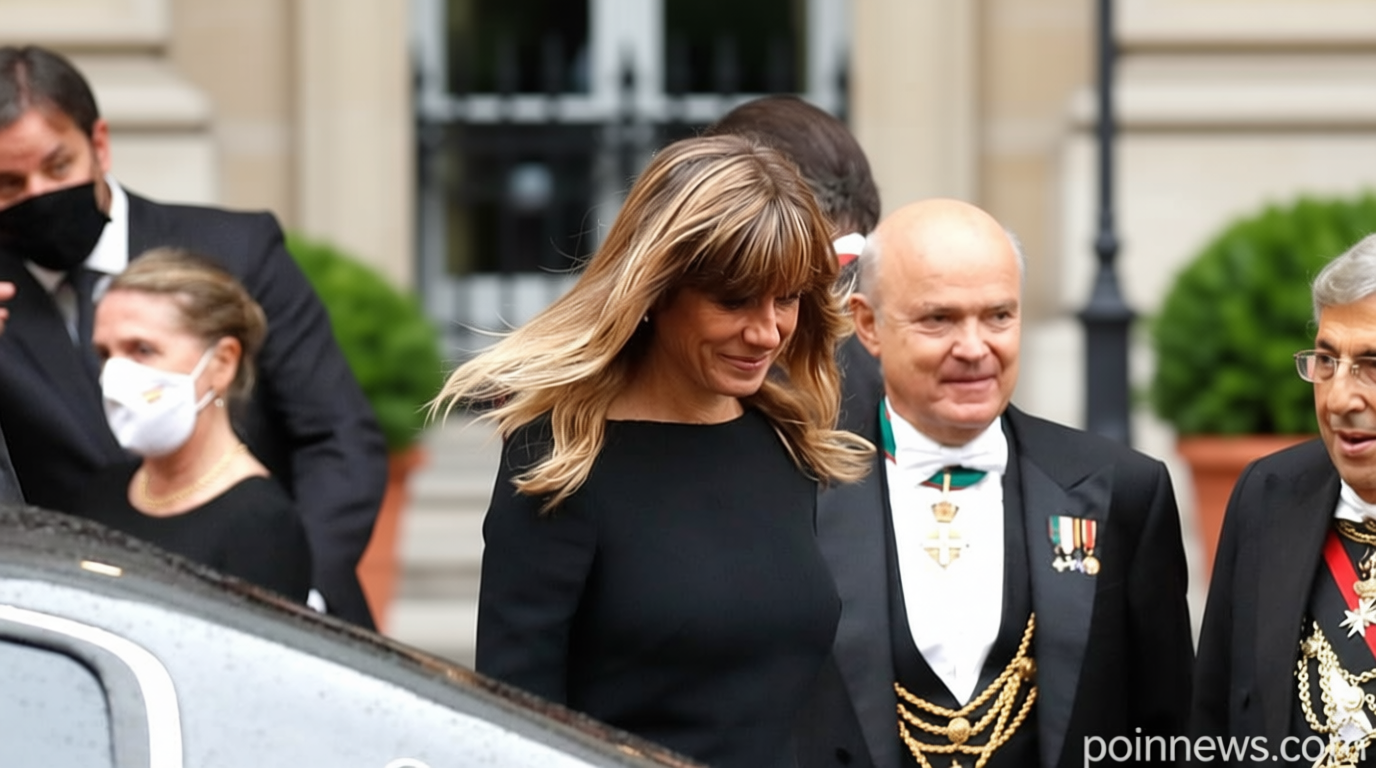
Poinews.com – In a sharp rebuttal, Giorgia Meloni, the leader of Italy’s far-right Brothers of Italy party, fired back at Donald Trump’s “completely made-up claims” regarding their interactions at the G7 summit in France. The Italian prime minister took to social media to address the controversy, expressing frustration over the former US president’s alleged distortions of their meeting. Meloni’s office released a video of the exchange, which underscores her determination to defend her reputation and challenge what she described as “exaggerated” narratives. The episode has sparked widespread discussion, with analysts noting the significance of Meloni’s response in highlighting her political positioning on the global stage.
Trump’s Claims About the Photo Session
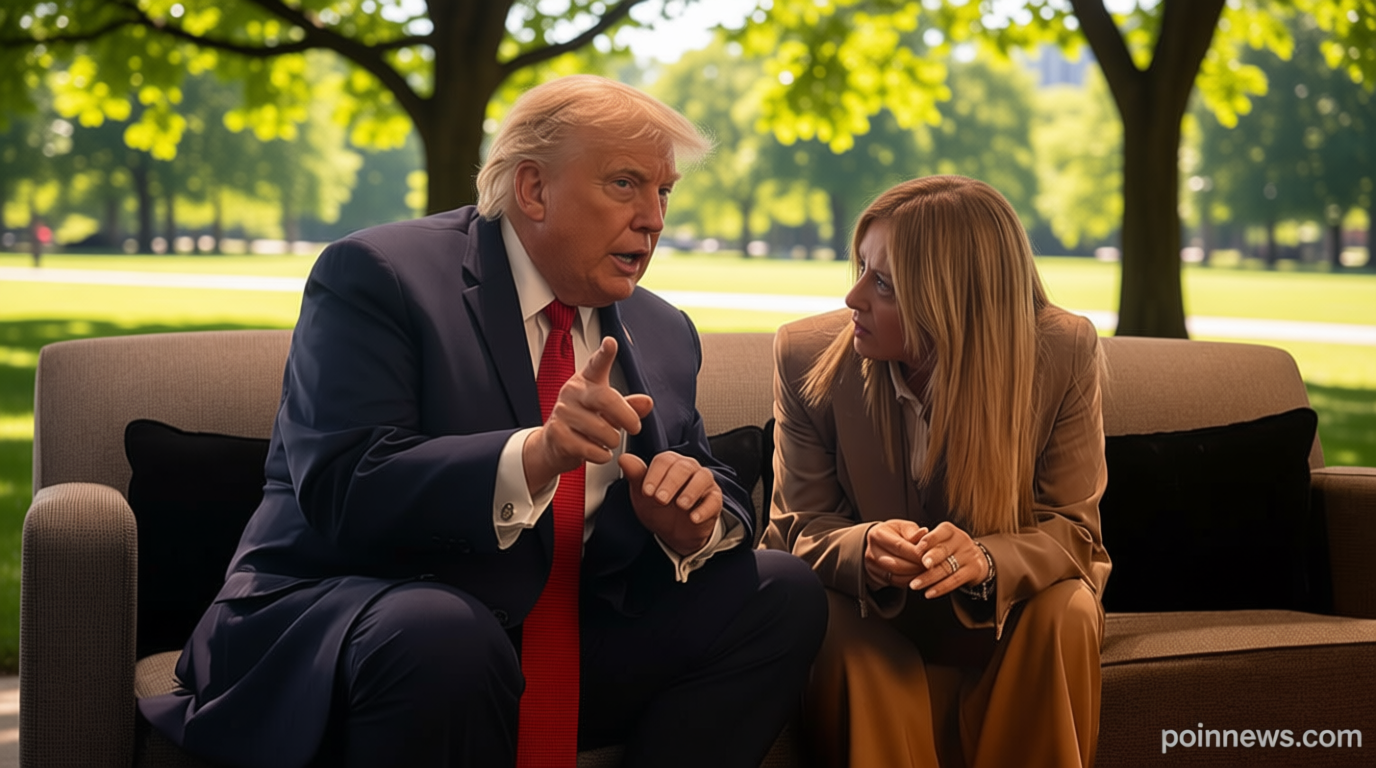
“I don’t know why the US president acts this way toward his allies,” Meloni said in the clip, emphasizing her surprise at Trump’s description of their meeting. She added that Trump had claimed she “pleaded” for a photograph, a statement she dismissed as a distortion of the event.
According to reports, Trump had told Italian journalist Daniele Compatangelo that Meloni was “probably happy” about their conversation, and that he “didn’t have to talk to her.” He reportedly stated, “She begged me to take a picture with her. She wanted it so badly. I wouldn’t have done it, but I felt sorry for her.” These remarks, published by the Italian media, were interpreted by Meloni as an attempt to undermine her credibility and project a narrative of American dominance in the G7 discussions. The prime minister’s response not only targets Trump’s allegations but also reflects her broader strategy to assert Italy’s independence in foreign policy.
Strained Ties Between Rome and Washington
The relationship between Italy and the United States has grown increasingly tense, with Rome withholding support for US military operations in Iran and Trump openly criticizing Pope Leo XIV. During the G7 summit, Meloni addressed media speculation about their disagreement, highlighting the underlying differences in approach between the two nations. “We are both strong individuals who prioritize national interests,” she stated, underscoring that their dynamic is defined by mutual respect but not by consensus on every issue.
Despite the reported friction, Meloni affirmed that the relationship remains “intact,” stating, “We simply returned to discussing necessary actions with the same ease as before.” Her office later released two images of the meeting, capturing their interaction during an artificial intelligence session. A media video also showed the two leaders exchanging a handshake, reinforcing the official stance of mutual respect. These visual elements serve as a counterpoint to Trump’s verbal claims, emphasizing the importance of appearances in diplomatic relations.
The Political Context of the G7 Summit
The G7 summit, held in France, brought together leaders from the world’s most advanced economies to address pressing global issues, including climate change, trade, and geopolitical tensions. For Meloni, the event was an opportunity to showcase Italy’s role in shaping international priorities. Her office highlighted the summit as a platform for reaffirming Italy’s commitment to European unity and its strategic alignment with other G7 members. However, the tension with Trump’s remarks has raised questions about the effectiveness of such alliances and the potential for domestic political agendas to influence international diplomacy.
Public Reaction and Media Amplification
The public reaction to Meloni’s response has been mixed, with some supporters praising her assertiveness and others questioning whether her stance risks alienating key allies. Social media platforms have become battlegrounds for the debate, with Meloni’s video gaining traction among Italian nationalists and critics of US influence in European affairs. Conversely, Trump’s side has emphasized the importance of his comments in framing the narrative around Italy’s role in the summit. The media’s role in amplifying these claims has further complicated the situation, as different outlets highlight varying perspectives on the incident.
Analysts suggest that the incident reflects a broader trend in international politics, where leaders often use public disputes to project strength and influence. Meloni’s decision to respond publicly demonstrates her awareness of the importance of media presence in modern diplomacy. By addressing Trump’s allegations directly, she aims to solidify her image as a confident and independent leader, capable of standing up to external pressures. This approach also serves to rally domestic support, as it positions her as a defender of Italian sovereignty against perceived American interference.
Implications for Future Diplomatic Engagements
The fallout from Trump’s remarks and Meloni’s rebuttal may have long-term implications for future diplomatic engagements. As the world continues to shift toward multipolarity, leaders like Meloni are increasingly vocal in challenging US dominance. Her response at the G7 summit could set a precedent for how Italian leaders engage with American counterparts, emphasizing transparency and direct confrontation over diplomatic subterfuge. Meanwhile, Trump’s continued criticism of European institutions may also highlight the challenges of maintaining a cohesive alliance system in the face of diverging interests.
With the G7 summit now in the rearview, the focus shifts to how this incident will influence the upcoming European elections and Italy’s foreign policy trajectory. Meloni’s ability to navigate such controversies could play a crucial role in her party’s appeal to voters who value national autonomy. As the situation unfolds, the broader implications for transatlantic relations will depend on how both sides manage the narrative, ensuring that their positions are clearly communicated to the public and their counterparts in other nations.