Newsletter: Push for sanctions on Russia goes to the wire
ctions on Russia Newsletter - As the deadline for the EU’s 21st round of sanctions against Russia looms, the newsletter brings you the latest updates on the

Newsletter: The Final Stretch in Sanctions on Russia
Poinews.com – As the deadline for the EU’s 21st round of sanctions against Russia looms, the newsletter brings you the latest updates on the geopolitical tensions shaping the continent. With diplomats in Brussels still locked in tense negotiations, the push to impose new restrictions on Moscow has reached its critical juncture. The decision-making process, which has already seen multiple failed attempts to reach consensus, now hinges on the final hours of deliberation. Key figures in the European Union are preparing for an intense session, where a vote could determine the fate of a potential package of measures targeting Russia’s energy and financial sectors. This newsletter provides a comprehensive look at the stakes, the political challenges, and the potential consequences of these sanctions.
The Energy Price Cap Debate Intensifies
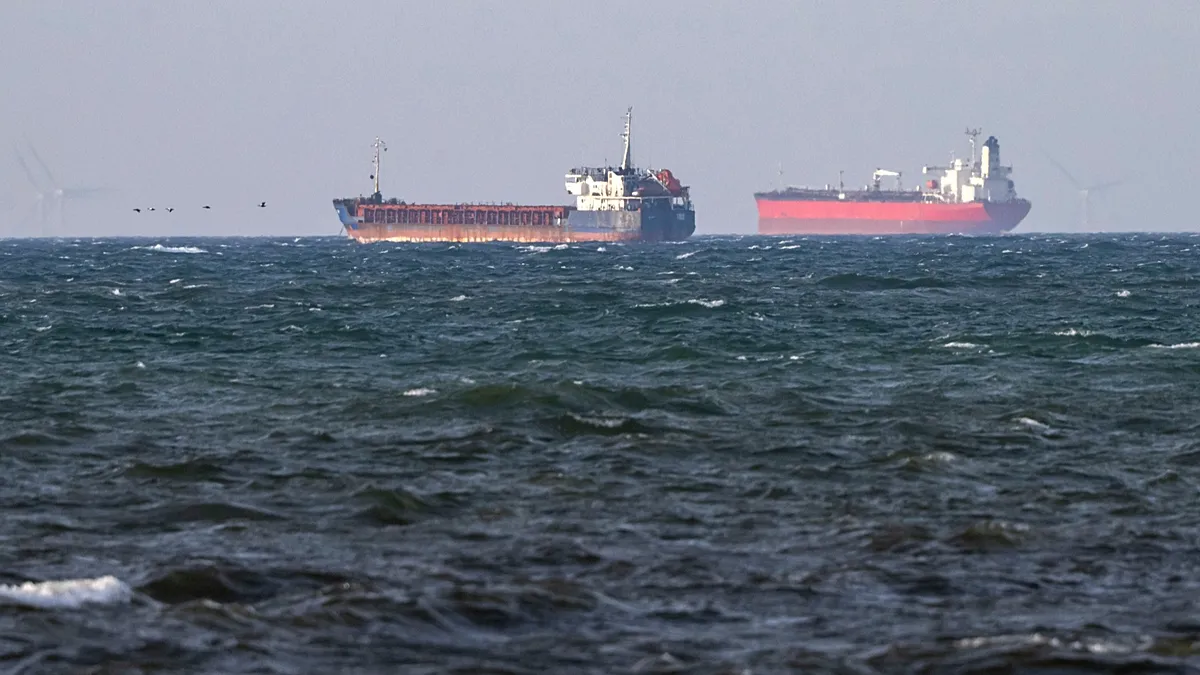
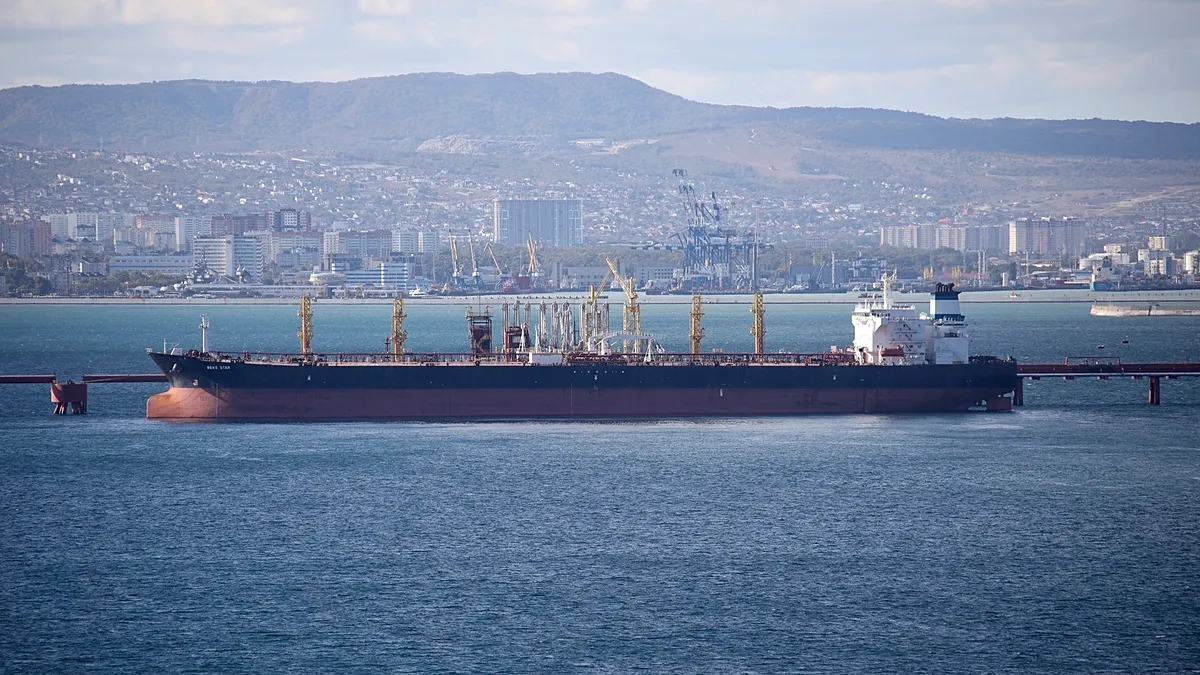
The centerpiece of the current sanctions discussion is the oil price cap, a mechanism designed to limit Russia’s revenue from its energy exports. If the cap is raised to €58 per barrel by July 15, it could significantly impact Moscow’s ability to fund its military operations in Ukraine. However, the proposal has sparked controversy, particularly regarding the exclusion of Russian liquefied natural gas (LNG) from EU waters. Member states like Greece and Bulgaria are pushing for exemptions to protect their maritime industries, which have been crucial for energy exports to Russia. Despite these disagreements, the price cap remains a symbol of the EU’s unified stance against Russian economic gains. The newsletter highlights how this measure is seen as a balancing act between economic pragmatism and geopolitical leverage.
“The oil price cap is vital for ensuring we don’t reward Russia’s aggression. But the LNG ban creates friction, as it could jeopardize the livelihoods of our coastal regions,” noted Bulgaria’s Foreign Minister Velislava Petrova-Chamova during a recent interview. Her remarks underscore the complexity of the issue, where the EU must navigate both strategic goals and domestic interests. The newsletter also reveals that the price cap’s success depends on the EU’s ability to maintain cohesion, even as some nations advocate for more stringent measures.
Sanctions on Russia: A Test of Unity
The EU’s push for sanctions on Russia is not just about economic pressure; it’s also a test of unity among its 27 member states. While the price cap enjoys broad support, the LNG ban has exposed divisions, with countries like Greece arguing for exceptions. The newsletter explains that these differences reflect broader debates over the EU’s approach to foreign policy. Some nations prioritize immediate financial consequences for Russia, while others emphasize the need to protect their own industries. This tension is compounded by the fact that the July 15th deadline is only a few hours away, leaving little room for compromise. The newsletter underscores that the final decision will require a delicate balance of compromise and conviction.
“We’ve been working tirelessly to align our positions. The challenge is to maintain pressure on Russia without undermining our economic stability,” said a senior EU diplomat in a statement to the newsletter. This sentiment is echoed by many within the bloc, who recognize that the sanctions must be both effective and sustainable. The newsletter also notes that the upcoming vote will be watched closely by global markets, as the EU’s actions could influence the pace of energy price increases and Russia’s response to the new measures.
EU Enlargement Talks and the Role of the Newsletter
Amid the sanctions debate, the EU’s enlargement talks continue to be a focal point for the newsletter. Discussions with potential new members, such as Ukraine and Moldova, have taken a backseat to the urgency of the Russia sanctions. However, the newsletter highlights that the current geopolitical climate has highlighted the importance of strengthening ties with neighboring countries. The EU’s internal divisions over sanctions may also affect its ability to present a united front in expansion negotiations. The newsletter suggests that the outcome of the July 15th vote could serve as a barometer for the bloc’s commitment to both sanctioning Russia and integrating new members into its fold.
“The sanctions on Russia are a critical moment for the EU. They reveal how much we can stand together when the stakes are high,” wrote an analyst in the newsletter. This assessment is particularly relevant as the EU faces pressure to demonstrate solidarity in its foreign policy. The newsletter also points out that the success of these measures may depend on the bloc’s ability to coordinate across diverse national interests, a challenge that will require more than just a final vote.
Global Implications of the EU’s Sanctions
The newsletter emphasizes that the EU’s decision on Russia’s sanctions will have far-reaching implications beyond Europe. Global energy markets are closely monitoring the oil price cap, as any increase could lead to higher prices for consumers worldwide. Additionally, the potential LNG ban may affect international supply chains, particularly for countries reliant on Russian energy imports. The newsletter also notes that the EU’s actions could influence other global powers, such as the United States and China, to adopt similar measures. This interconnectedness underscores the importance of the EU’s role as a leader in the global fight against Russia’s economic leverage.
“The EU’s sanctions are not just a domestic issue—they are a signal to the world. A strong response could deter further Russian aggression and reinforce our alliances,” the newsletter states in its editorial. With the deadline fast approaching, the focus is on ensuring that the final package of measures is both robust and politically viable. The newsletter concludes that the upcoming decision will be a defining moment for the EU’s ability to unite behind a common strategy in the face of mounting challenges.