SpaceX IPO: How European retail investors can buy shares and the risks to be aware of
SpaceX IPO: A Game-Changer for European Retail Investors SpaceX IPO - Elon Musk’s groundbreaking space exploration company, SpaceX, is set to go public in a

SpaceX IPO: A Game-Changer for European Retail Investors
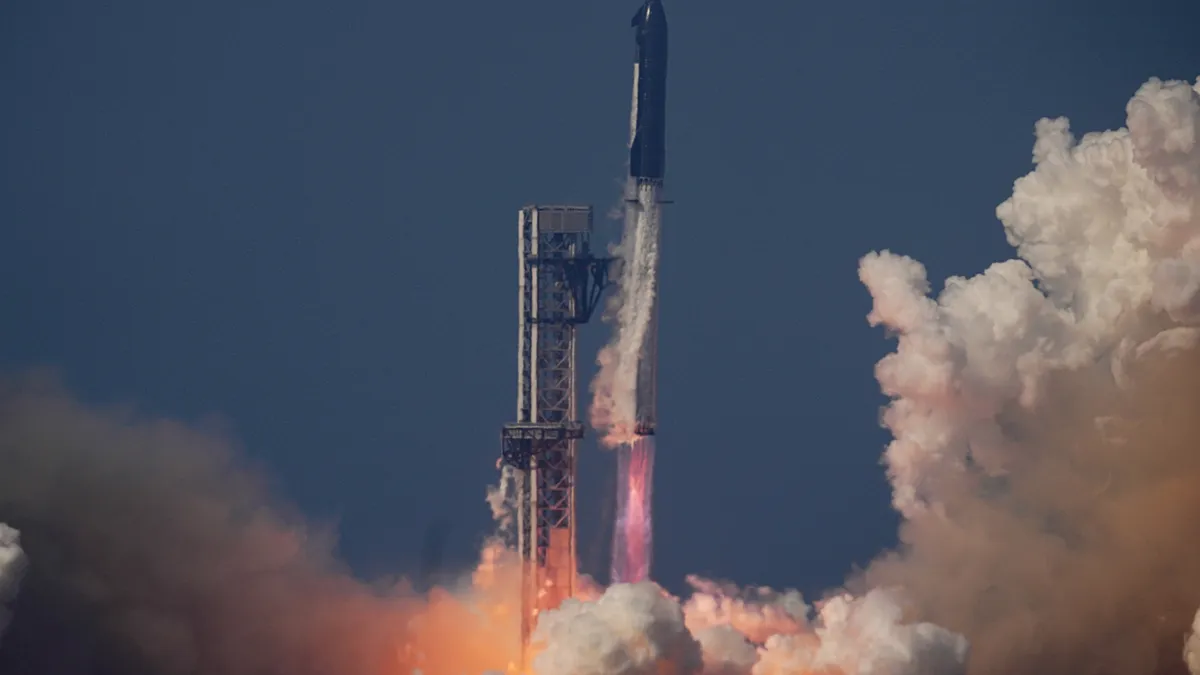
Poinews.com – Elon Musk’s groundbreaking space exploration company, SpaceX, is set to go public in a landmark initial public offering (IPO) that could redefine investment opportunities for European retail investors. The IPO, priced at $135 per share, is anticipated to value the company at nearly $1.75 trillion (€1.5 trillion), making it one of the most significant listings in recent history. This move marks a pivotal moment for individual investors in Germany, France, the Netherlands, Denmark, Norway, Spain, and Sweden, who may gain access to shares through a special allocation reserved for retail participants. With 30% of shares allocated to retail investors, SpaceX’s IPO stands out as a rare opportunity for ordinary investors to partake in a high-growth tech enterprise.
Understanding the Allocation and Geographic Reach
While institutional investors typically dominate major IPOs, SpaceX has taken an unconventional approach by offering a substantial portion to retail investors. This strategy aims to democratize access to the company’s equity, which is expected to raise approximately $75 billion (€64.5 billion) in new capital. The inclusion of European markets in the offering reflects SpaceX’s global ambitions and its recognition of the region’s growing interest in tech stocks. Regulatory approvals, such as Germany’s Federal Financial Supervisory Authority (BaFin) clearance on June 5, have enabled investors in several European countries to apply for shares. However, it’s crucial to note that regulatory approval does not equate to endorsement of the investment.
The IPO’s geographic scope extends beyond the initial seven countries, with potential for further expansion as the offering progresses. European investors are encouraged to monitor updates from their local financial authorities and brokerage platforms. For instance, TradeRepublic, a prominent German digital broker, confirmed that retail clients could access the SpaceX IPO just days before the listing, signaling the ease of participation for individuals. This accessibility is a key factor in attracting a broader investor base, especially as the space industry continues to gain momentum.
How to Participate: Platforms and Requirements
European retail investors can access the SpaceX IPO through a variety of brokerage platforms, each with its own application process and minimum investment thresholds. In the UK, platforms like AJ Bell, CMC Markets, eToro, Freetrade, Interactive Brokers, and Interactive Investor have confirmed their involvement in the offering. For example, eToro requires a minimum application of $750 (€650), while Hargreaves Lansdown sets the bar higher with a minimum of £1,000 (€1,157). These requirements highlight the competitive nature of the IPO and the need for investors to prepare adequately.
Germany, as a key market, has seen significant retail engagement. TradeRepublic’s announcement that its clients can participate in the IPO underscores the growing trend of platforms facilitating broader access to high-profile listings. Similarly, other European brokerages are likely to follow suit, offering tailored guidance to help investors navigate the process. The timing of the IPO, coinciding with a period of heightened market activity, means that the application window is expected to be highly sought after. Investors should stay informed about deadlines and potential allocation rules to maximize their chances.
Investor Demand and Allocation Challenges
The SpaceX IPO has generated unprecedented demand among European retail investors, with brokerages reporting a surge in interest since its announcement in April. Hargreaves Lansdown’s Chief Client Officer, Simon Belsham, noted that “significant interest has emerged from both new and existing clients,” emphasizing the IPO’s appeal as a high-profile tech investment. Over 35,000 clients have already registered for IPO alerts, indicating the level of anticipation surrounding the event. However, securing shares is not guaranteed, as the allocation process will determine who gets the limited number of shares available.
Brokers are managing the influx of applications by implementing strict criteria, such as minimum investment amounts and order placement rules. For example, some platforms may require investors to submit their orders through specific channels or meet certain account thresholds. Additionally, “flipping” – the practice of selling shares shortly after purchase – is a concern for brokers, who may impose penalties to discourage short-term trading. This could limit retail investors’ ability to capitalize on the IPO immediately, but it also ensures a more stable market environment for long-term growth.
Risks and Market Dynamics
Despite the excitement, the SpaceX IPO carries notable risks that European investors should carefully evaluate. Currency risk is a critical factor, as shares are priced in US dollars, exposing investors to potential losses due to exchange rate fluctuations. For example, if the euro weakens against the dollar post-IPO, European investors may see reduced returns on their investments. Another key risk is the stock’s volatility, which is expected to rise during the initial trading period as market participants adjust to the company’s valuation.
Market dynamics also play a role in the IPO’s success. The inclusion of SpaceX in major indices like the MSCI could trigger automatic purchases by passive investment funds, influencing short-term price movements. However, this may not necessarily reflect the company’s long-term fundamentals, which could be affected by factors such as regulatory hurdles, operational challenges, and competition in the aerospace sector. Investors must remain vigilant and assess their risk tolerance before committing to the IPO, especially given its high valuation and speculative nature.
Broader Implications for Retail Investment Trends
The SpaceX IPO could signal a shift in the landscape of retail investing, particularly in Europe. BNP Paribas highlighted that the participation of retail investors in tech IPOs has increased, with their share of order books rising from around 15% to 30%. This trend reflects growing confidence in the sector and the increasing role of individual investors in shaping market dynamics. However, the IPO also underscores the importance of due diligence, as European retail investors must balance the allure of high-growth potential with the inherent risks.
As the aerospace industry continues to evolve, the SpaceX IPO may serve as a catalyst for further innovation and investment. While the company’s success is tied to its ability to sustain profitability and expand its operations, European investors must consider the broader market environment. The IPO’s impact could extend beyond the immediate financial returns, influencing perceptions of the space sector and encouraging more participation in emerging technologies. With careful planning and a clear understanding of the risks, retail investors have the potential to benefit from SpaceX’s next phase of growth.