Volkswagen’s Chinese branch doubles down on self-driving technology
Volkswagen s Chinese branch doubles down on its commitment to cutting-edge mobility solutions, as the German automotive giant announces a significant

Volkswagen s Chinese branch doubles investment in autonomous driving capabilities
Poinews.com – Volkswagen s Chinese branch doubles down on its commitment to cutting-edge mobility solutions, as the German automotive giant announces a significant expansion of its self-driving technology initiatives within the world’s largest electric vehicle market. The corporation revealed on Wednesday that its dedicated automated driving subsidiary CARIZON, headquartered in China, would be substantially strengthening its strategic partnership with Horizon Robotics, according to reports from Yahoo Autos. This collaborative effort aims to accelerate Volkswagen’s development of proprietary autonomous driving systems by leveraging Horizon Robotics’ advanced artificial intelligence platform.
Accelerated timeline for autonomous vehicle deployment
The enhanced partnership encompasses multiple levels of autonomous driving capabilities, including Level 3 technology that permits drivers to temporarily remove their attention from the roadway, alongside Level 4 systems designed for fully driverless robotaxi operations. Volkswagen has committed to introducing its inaugural Level 3 autonomous vehicles to Chinese consumers in 2027, responding to intensifying global competition within the rapidly evolving self-driving technology sector. These forthcoming vehicles will enable passengers to transfer complete vehicle control to the autonomous system under predetermined conditions, particularly during highway travel scenarios.
Commercial deliveries for the Level 3 autonomous fleet are scheduled to commence during the latter half of next year. Concurrently, Volkswagen will begin deploying Level 2++ technology vehicles throughout the Chinese market this calendar year, specifically engineered for urban assisted driving applications. These advanced vehicles possess the capability to navigate complex traffic scenarios including signal-controlled intersections, stop signs, circular junctions, and automated turning maneuvers without continuous driver intervention.
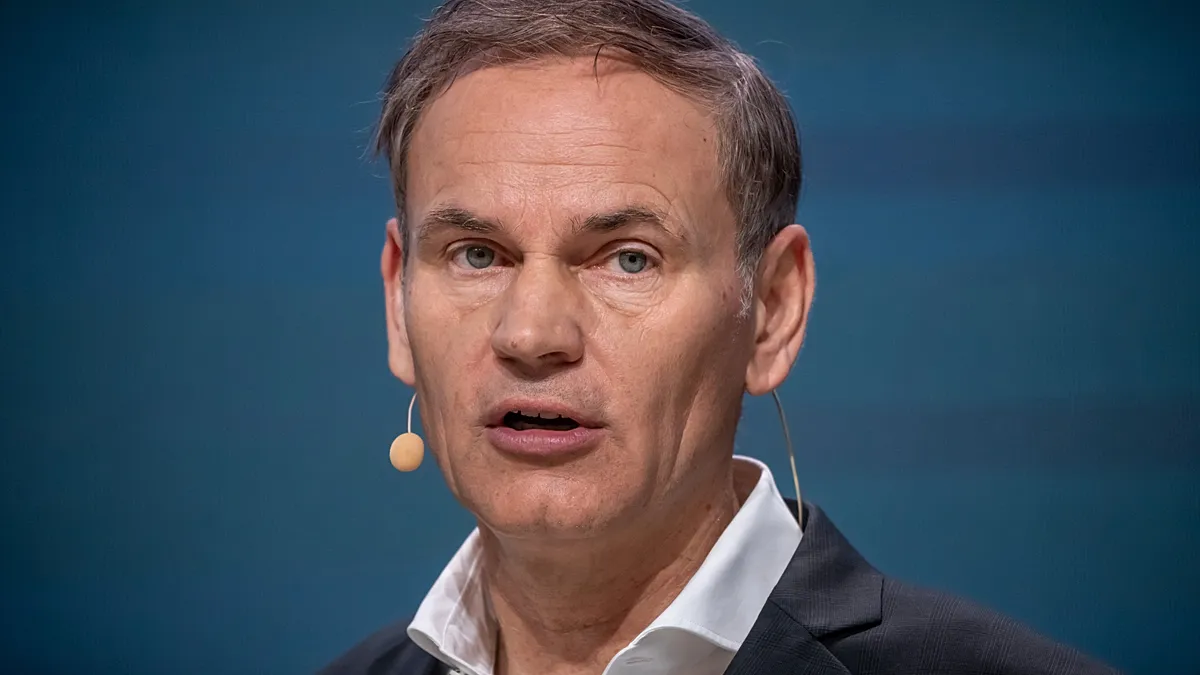
Volkswagen’s Chief Executive Officer, Oliver Blume, emphasized that this strategic initiative would significantly enhance the company’s competitive positioning within China while simultaneously creating expanded opportunities across international markets. The German automotive manufacturer has additionally established a partnership with Xpeng, a prominent Chinese electric vehicle producer, to reinforce its regional market presence and develop an innovative electronics platform tailored for Chinese models. This integrated approach will complement the AI-enhanced autonomous driving technology and facilitate broader adoption across Central and Southeast Asian regions, as well as Middle Eastern markets, as Volkswagen pursues increased export volumes from its Chinese manufacturing operations.
The past several years have presented considerable challenges for German automotive manufacturers, with declining sales figures, evolving European regulatory frameworks, and the global pandemic creating compounding pressures simultaneously. Intensifying competition from Chinese automotive producers, particularly those specializing in electric vehicles, has substantially contributed to this industry turbulence. Additionally, escalating trade and tariff tensions between the European Union and China have further complicated the operational landscape for European automakers operating in the region.
China has progressively reduced various incentives previously extended to German automotive companies including Volkswagen, Mercedes-Benz, Audi, and BMW, which maintained substantial manufacturing operations within the country during recent years. These advantages encompassed preferential land pricing and reduced taxation rates among other benefits. European manufacturers now face heightened pressure from China’s accelerated technology implementation for mass-market vehicles, with numerous Chinese metropolitan areas already operating fully autonomous robotaxi services.
European consumers increasingly favor Chinese electric vehicle manufacturers such as BYD, attracted by comparatively affordable pricing, contemporary design aesthetics, and advanced technological features. Meanwhile, premium brands like Mercedes-Benz and BMW have temporarily suspended their Level 3 autonomous offerings in select flagship models following limited deployment periods. Volkswagen has additionally encountered increased regulatory scrutiny recently due to evaluating a comprehensive restructuring proposal that could potentially eliminate up to 100,000 positions and close four manufacturing facilities across Germany.
“This strategic expansion represents a pivotal moment for Volkswagen’s global competitiveness, particularly as we strengthen our position in the critical Chinese market while preparing for international expansion,” said a company spokesperson.