French environment minister convinced to stay on after announcing resignation
Monique Barbut has made the surprising decision to remain in her position as France's Minister for Ecological Transition, reversing her earlier announcement

French Environment Minister Convinced to Stay After Resignation Shock
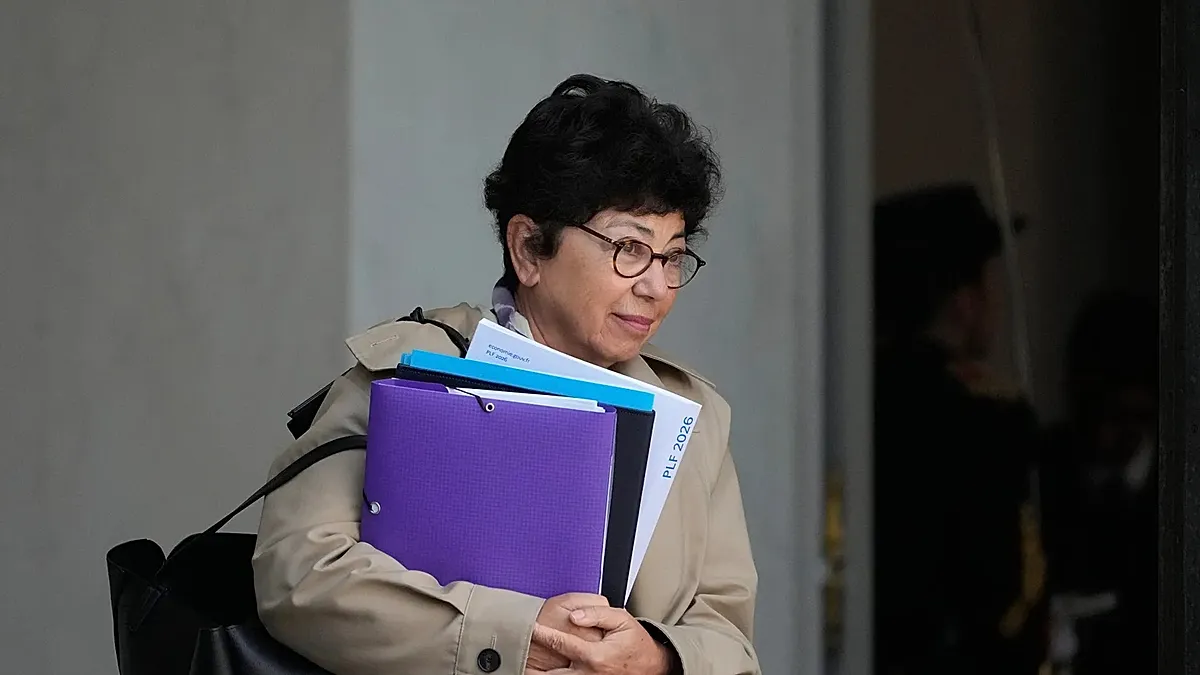
Poinews.com – Monique Barbut has made the surprising decision to remain in her position as France’s Minister for Ecological Transition, reversing her earlier announcement to step down. The dramatic turnaround occurred after President Emmanuel Macron personally intervened and requested that she continue leading the ministry. According to official statements released from her office, the minister ultimately chose to continue her crucial work “because of the urgent need to tackle the impacts of climate change, which are already hitting France hard, and to address pressing environmental health issues affecting millions of citizens.”
Presidential Intervention Leads to Continued Service
During Wednesday’s cabinet meeting, government spokesperson Maud Bregeon explained the complex situation that unfolded: “French President Emmanuel Macron and Monique Barbut ‘agreed to disagree on the agriculture bill as passed by parliament.'” She further clarified the resolution: “The president refused to accept her resignation; and they agreed on three fundamental pillars – water, forests and environmental health – three areas in which she has agreed to remain fully committed to her mission.”
This agreement represents a significant moment for French environmental policy, as Barbut’s continued presence ensures stability in the ministry during critical climate negotiations. The minister’s decision to stay demonstrates her dedication to France’s environmental goals despite political disagreements with the administration.
Agricultural Bill Dispute Sparks Resignation Threat
Earlier that same day, Barbut had taken to LinkedIn to voice her strong criticism of the government’s handling of agricultural policy. In her detailed post, she stated: “Contrary to the assurances I had been given, the government has prevented any debate on the scrapping of this measure, even though MPs also wanted it to be scrapped.” She added that the “U-turn represents (…) one environmental setback too many” for France’s ecological transition efforts.
Her office subsequently confirmed that while she would stay in her role, her fundamental disagreement with the government’s stance on the matter remained unchanged. This clarification helped calm concerns among environmental advocates who feared a leadership vacuum at a crucial time for climate policy.
The Controversial Pesticide Reintroduction Explained
The agricultural bill in question was approved by the French parliament on Tuesday in a contentious vote. It authorizes the French Agency for Food, Environmental and Occupational Health & Safety to reintroduce two specific pesticides—acetamiprid and flupyradifurone—under certain conditions. These substances are currently permitted across the EU but have been banned in France for several years. The reintroduction applies to several struggling sectors, notably hazelnut and sugar beet production, which have faced significant pest challenges.
This development comes approximately one year after significant public opposition to the Duplomb Act, which had similarly called for acetamiprid’s reintroduction before the Constitutional Council struck it down. Despite this history, the prospect of the policy’s return continues to generate debate among environmental groups and farmers alike. On Monday, members of the ruling coalition proposed that the government withdraw the provision through an amendment, but ministers declined to do so, citing economic necessity.
Barbut’s Track Record of Environmental Advocacy
Barbut has built a reputation for her direct communication style and has threatened to resign on multiple occasions over concerns regarding her ministry’s financial resources. “What I want are proper budgets for adaptation and the Green Fund,” she has consistently emphasized, referring to the initiative that assists local authorities with ecological transition investments. Although she did not completely rule out additional budget reductions, she managed to secure what she viewed as adequate funding levels to sustain her ministry’s ongoing efforts.
Her decision to stay following the resignation announcement signals continued commitment to France’s environmental agenda. As the country faces increasing climate challenges, Barbut’s experience and determination remain vital assets for policymakers working to balance economic needs with ecological preservation.